

Close to transit doesn’t guarantee a safe hotel area in Mexico City.
You can be steps from a busy metro and still end up on an empty, poorly lit block after dark.
This short guide gives a clear checklist to pick neighborhoods that are both transit-friendly and safer at night.
I’ll show which areas to favor, how to measure real walking time to stations, and quick red flags to skip a risky block.
Aim for under ten minutes on foot in daylight, and a simple late-night fallback like an easy Uber or well-lit route.
Key Steps for Choosing a Safe Hotel Area in Mexico City with Reliable Transit Access
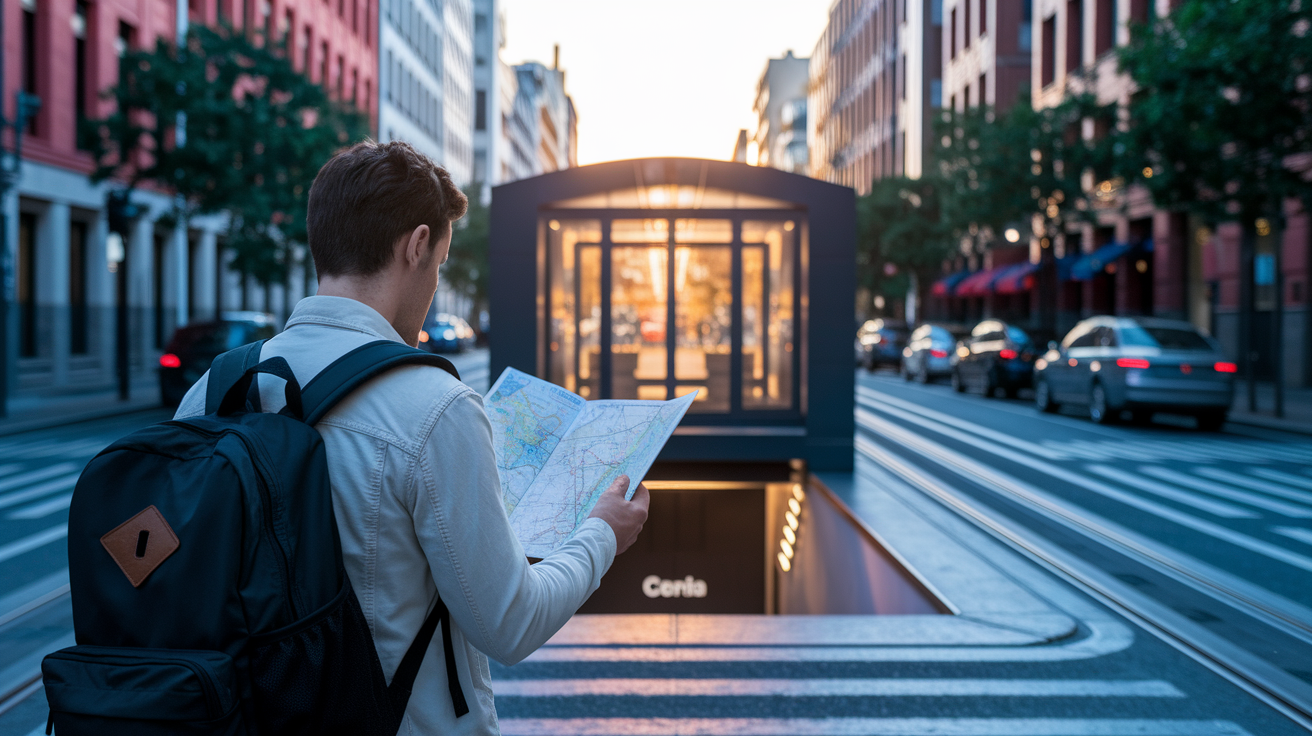
Roma Norte and Condesa top the list if you want walkable streets, solid café and restaurant scenes, and easy metro access. Polanco gives you upscale calm and sits next to Chapultepec Park, while Zona Rosa drops you right into nightlife and LGBTQ+ culture. Reforma runs along the grand boulevard near major museums, and Centro Histórico plants you at the heart of historic sights with dense bus and metro connections. Coyoacán delivers a bohemian, cobblestone vibe but sits farther south, so you’ll need more Uber rides.
Pick your base by matching transit proximity to your daily rhythm. If you want to walk to dinner and catch a metro within five minutes, go for Roma Norte or Condesa. Prefer reliable hotel standards and quick museum access? Lean toward Polanco or Reforma. Centro Histórico works well for daytime sightseeing but empties after dark, so think about how comfortable you are with quieter evening streets. Check the actual walking distance from your hotel to the nearest metro or Metrobús stop using a map tool. Aim for under ten minutes on foot in daylight.
Most travelers grab Ubers after dark instead of public transit, especially in neighborhoods that lose foot traffic at night. Centro Histórico can feel deserted once shops close, while Zona Rosa stays loud and busy. Roma and Condesa keep steady evening activity but still see locals and visitors choosing rideshares after 10 pm. Plan your movement patterns around this norm. Hotels closer to stations give you flexibility during the day, and Uber fills the gap when the sun goes down.
- Figure out which neighborhoods line up with your priorities: walkability, safety reputation, or proximity to key sights.
- Map the walking distance from potential hotels to the nearest metro or Metrobús station.
- Estimate realistic door-to-platform time, including crossing streets and navigating station entrances.
- Compare how many transit lines serve that station. More lines mean more routing options.
- Check the neighborhood’s safety reputation across multiple recent traveler reviews and local forums.
- Look at noise levels if the hotel sits near nightlife or busy transit corridors.
- Make sure you can identify a safe, well-lit walking route from the station to the hotel entrance.
- Verify late-night transport alternatives, including Uber availability and hotel front-desk hours for secure late arrivals.
Safety Indicators to Evaluate When Selecting a Mexico City Hotel Area

Walk the route virtually before you book. Good lighting, steady foot traffic, open businesses, and visible police or security presence signal a safer block. Streets that empty after dark, shuttered storefronts, or long stretches with no shops or cafés raise risk. Centro Histórico teems with people during museum hours but can feel hollow at night. Roma and Condesa keep a livelier rhythm into the evening, and Polanco’s residential tone means quieter but well-patrolled streets. Look for hotels on blocks with restaurants, coffee shops, and corner stores that stay open past dinner. Active ground floors mean eyes on the street.
Digital signals matter as much as street-level cues. Read recent guest reviews, posted within the last twelve months, and watch for patterns: mentions of poor lighting, unsafe-feeling walks from the station, or repeated warnings about specific blocks. Cross-check the hotel’s borough (alcaldía) against local crime trend reports and municipal police data. Scan expat forums and traveler communities for emerging issues like pickpocketing hotspots near a particular metro exit or streets travelers now avoid. If multiple independent sources flag the same concern, treat it seriously.
Common red flags to watch for:
- Streets with few or broken streetlights, especially on the route from the transit stop to the hotel
- Isolated blocks with minimal foot traffic after 8 pm
- Repeated guest complaints about feeling unsafe walking to or from the property
- Neighborhoods where evening activity drops sharply, leaving you exposed if plans change
- Long stretches of shuttered businesses or empty lots near the hotel entrance
- Inconsistent or absent police presence, particularly around metro exits and bus stops
Best Mexico City Neighborhoods That Balance Safety and Public Transit

Roma Norte and Condesa deliver the strongest combination of walkability, transit access, and neighborhood energy. Roma Norte packs boutique hotels, third-wave coffee shops, and dinner spots into tree-lined blocks that stay active well into the evening. The area sits close to multiple metro stations and Metrobús corridors, so you can walk to breakfast, hop a train to Centro Histórico, and return for dinner without stress. Condesa offers a slightly calmer vibe with leafy parks, yoga studios, and cafés that attract digital nomads and families. Both neighborhoods feel safer at night than Centro Histórico and give you short, well-lit walks from transit stops to your hotel door.
Polanco and Reforma anchor the upscale, museum-district end of the city. Polanco borders Chapultepec Park and puts you within walking distance of the Museo de Antropología, high-end shopping, and polished dining. The neighborhood reads as one of the safest, with consistent police presence and well-maintained streets, though hotel prices run higher. Reforma stretches along the grand boulevard, offering reliable mid-range to luxury chains near major cultural sites. Transit connections are strong. Metrobús Line 7 runs the length of Reforma, and several metro stations serve the corridor. Expect a more business-hotel feel and less local café culture compared to Roma or Condesa.
Centro Histórico offers unmatched convenience for sightseeing and the densest concentration of metro and bus lines. You can walk to the Zócalo, Palacio de Bellas Artes, and Alameda Park, and catch trains in multiple directions without needing a rideshare. The trade-off? Many streets empty after dark, leaving you with longer, quieter walks if you return late. If you choose Centro Histórico, go for hotels on busy, well-lit blocks near active plazas or main avenues, and plan to use Uber after 9 pm. Daytime safety is excellent, but evening comfort depends heavily on your specific hotel’s immediate surroundings.
Zona Rosa and Coyoacán represent opposite ends of the experience spectrum. Zona Rosa thrives on nightlife, LGBTQ+ venues, and constant foot traffic, with strong transit links along Reforma and easy metro access. The energy runs loud and late, so expect noise if you book here. Check reviews for complaints about street noise and nearby clubs. Budget options abound, including hostels and mid-range picks well under $100 per night. Coyoacán offers cobblestone charm, the Frida Kahlo Museum, and a family-friendly, bohemian atmosphere, but you’ll rely more on Uber since it sits farther south. Transit exists. Metro stations serve the area. But expect 30 to 60 minute rides to Centro Histórico and plan your daily routing with that distance in mind.
| Neighborhood | Transit Access Notes | Safety Notes | Typical Price Range |
|---|---|---|---|
| Roma Norte | Multiple metro stations within 10 to 15 min walk; Metrobús nearby; easy Uber access | Lively evening foot traffic; well-lit main streets; safer feel at night than Centro | $140 to $540+ per night |
| Condesa | Metro stations 10 to 15 min walk; park-heavy, so some routes quieter; Uber widely used | Calm, residential vibe; good lighting near main avenues; fewer late-night crowds | $170 to $360+ per night |
| Polanco | Metro stations 15 to 20 min walk; Metrobús along Reforma; premium rideshare zone | Perceived as safest; strong police presence; upscale, well-maintained blocks | $225 to $470+ per night |
| Zona Rosa | Metro Insurgentes very close; Metrobús on Reforma; excellent daytime/nighttime transit | Active nightlife keeps streets busy but noisy; petty theft possible in crowds; stay alert | $58 to $360+ per night |
| Centro Histórico | Dense metro/bus network; Zócalo is major hub; easiest transit access citywide | Crowded and safe by day; empties after dark; stick to main avenues at night | $140 to $470+ per night |
| Coyoacán | Metro stations exist but farther; plan 30 to 60 min to Centro; Uber common and cheap | Quiet, bohemian feel; family-friendly; lower crime but fewer late-night services | $114 to $195+ per night |
Understanding Mexico City Transit Options Near Hotel Zones
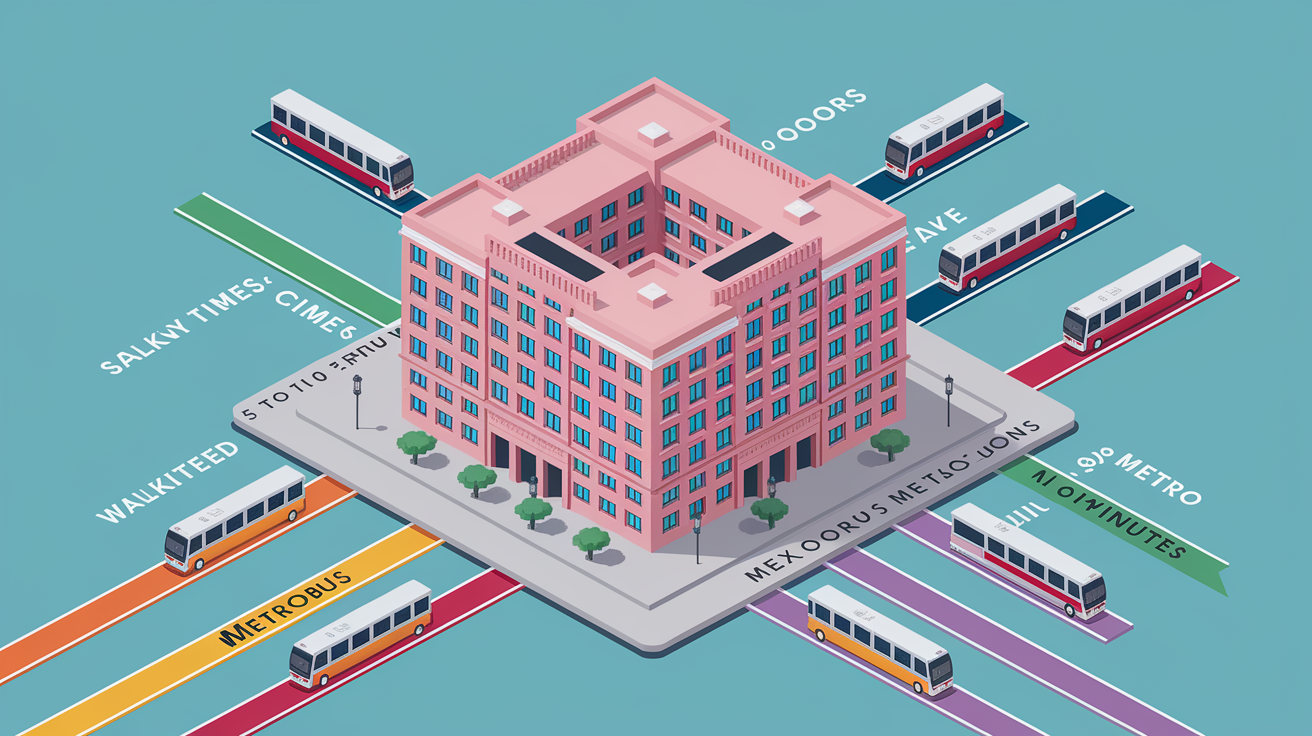
Mexico City’s Metro and Metrobús form the backbone of public transit. The Metro runs twelve color-coded lines covering most of the city, with fares around 5 pesos (under 30 cents USD) per ride. Metrobús operates dedicated bus rapid transit lanes along major corridors like Reforma and Insurgentes, charging similar low fares and accepting the same rechargeable card. Both systems move millions of passengers daily and connect nearly every neighborhood travelers consider. Stations are marked clearly, and digital maps and apps show real-time arrivals and transfer points.
Station proximity varies sharply by neighborhood. Centro Histórico and Zona Rosa offer the shortest walks, often under five minutes, to multiple metro entrances and Metrobús stops. Roma Norte and Condesa sit slightly farther from stations, typically 10 to 15 minutes on foot, but still within comfortable walking range. Polanco and Reforma require longer walks or short Uber hops to reach metro stations, though Metrobús stops line Reforma itself. Coyoacán has metro access, but distances stretch, and many visitors default to Uber for convenience. When you compare hotels, measure the actual walking route from the front door to the nearest station platform, not just the straight-line distance. Station entrances can sit on opposite corners or require crossing busy intersections.
Peak hours, roughly 7 to 9 am and 6 to 8 pm, pack trains and buses, especially on lines serving business districts and Centro Histórico. Crowding increases pickpocket risk, so keep bags zipped and phones secured. If you’re moving luggage or traveling late, skip public transit and use Uber or official taxi stands. Most hotels in Roma, Condesa, Polanco, and Zona Rosa see steady rideshare availability into the night. After 10 pm, metro service thins and some stations close entrances, so plan your return trip with a rideshare backup even if you took the metro earlier in the day.
How to Use Online Tools to Compare Hotel Safety and Transit Access

Open Google Maps, drop a pin on the hotel address, and switch to walking directions to the nearest metro or Metrobús station. The tool calculates distance and time, but walk the route virtually using Street View to spot lighting gaps, empty stretches, or blocks that look deserted. Check the route at different times of day if Street View’s historical imagery lets you toggle dates. Daytime and evening conditions can differ sharply. Look for active storefronts, cafés, and corner shops along the path. If the walk crosses long residential blocks with no ground-floor businesses or passes under dark overpasses, factor in how comfortable you are making that walk after dinner.
Verify the hotel’s exact address before booking, not just the neighborhood name. Some listings round locations to a popular intersection or landmark, which can put you several blocks farther from transit than you expect. Cross-reference the address on the hotel’s own website and on the booking platform’s map overlay. Compare transit travel times from the hotel to your planned daily destinations: Zócalo, Chapultepec, Coyoacán. Use the “Depart at” feature to model morning and evening trips. This reveals whether a hotel slightly farther from a station still connects you efficiently via fewer transfers or faster lines.
- Measure walking distance from the hotel entrance to the closest metro or Metrobús platform using map tools, not assumptions.
- Verify the hotel’s street address on multiple platforms to catch discrepancies or vague location pins.
- Compare total transit travel times, including walking segments, to key attractions you plan to visit daily.
- Use Street View’s time-slider or historical imagery to view the walking route’s surroundings during different conditions.
- Check booking-site map overlays for clusters of restaurants, shops, and services near the hotel. Active blocks signal safer, more convenient bases.
Evening Safety and Walkability Tips for Hotels Near Transit
Most travelers feel comfortable walking up to ten minutes from a metro station to their hotel in daylight, but that distance shrinks after dark. In Roma Norte, Condesa, and Polanco, evening streets stay populated enough that a ten-minute walk from the station remains manageable if the route is well-lit and lined with open businesses. In Centro Histórico, the same ten-minute walk can feel riskier once shops close and foot traffic evaporates. Know your route before your first night arrival. Test it during the day, note lighting and crowd levels, and decide whether you’ll walk it after 9 pm or default to Uber.
When you use Uber or an official taxi at night, set your pickup point at a well-lit, visible spot, ideally near a hotel entrance, busy corner, or landmark. Don’t wait in empty side streets or unlit parking areas. If you’re arriving late at the airport or a distant neighborhood, arrange the rideshare before you exit the terminal or building so you’re not standing outside searching for a driver. Official taxi stands at major metro stations, marked clearly and staffed, offer a safer alternative to hailing a cab on the street, though Uber tends to be cheaper and traceable via the app.
Station exits matter more than station names. Large metro hubs like Insurgentes or Pino Suárez have multiple exits that surface on different blocks. One exit might open onto a bright, busy avenue; another onto a quiet side street. Check which exit puts you closest to your hotel and on the safest walking route. If you arrive after dark and the nearest exit feels deserted, walk an extra block inside the station to use a busier exit, even if it adds two minutes to your total journey. When you return late at night, choose the exit that keeps you on main streets with steady pedestrian traffic and visible businesses, not the one that technically shortens distance but routes you through empty blocks.
Neighborhoods to Approach with Caution When Prioritizing Safety and Transit
Tepito, Doctores, La Merced, and Iztapalapa appear repeatedly in safety warnings and travel advisories. Tepito is known for its sprawling informal market and serious crime concerns. Shootings and drug trade are documented issues. You can visit on a guided tour during daylight, but don’t choose a hotel here. Doctores has an authentic local vibe and sits near the famous lucha libre arena, but it’s not considered safe for unaccompanied evening walks or overnight stays. La Merced operates one of the city’s largest and most chaotic markets, with reports of prostitution and street crime after dark. Explore with a guide if it interests you, but base yourself elsewhere. Iztapalapa is a large borough with high violent-crime rates and limited tourist infrastructure. Simply avoid it for lodging.
Some terminal metro stations sit in isolated or industrial zones where hotels are sparse and surroundings feel empty. Even if a property offers a low nightly rate near a terminal station, check what’s actually around it. Long walks through quiet warehouse districts or residential blocks with no evening activity increase risk. Centro Histórico’s safety varies sharply by block. Some streets near the Zócalo stay busy and safe, while parallel streets two blocks away empty completely after 7 pm. Read recent reviews that mention specific street names or landmarks to pinpoint which micro-zones within a neighborhood feel safer.
- Tepito: high crime rates, including violent incidents; visit only on guided tours, never stay overnight.
- Doctores: authentic but not safe for solo evening walks; proximity to lucha libre doesn’t outweigh risk.
- La Merced: extremely busy market area with reports of street crime and prostitution; explore by day with a guide, don’t book lodging.
- Iztapalapa: large borough with documented high violent-crime statistics; lacks tourist-safe infrastructure.
Hotel Features That Improve Safety Near Transit Corridors
A 24-hour front desk means someone is always on-site to buzz you in, accept late deliveries, or call you a taxi if your rideshare app fails. Hotels in busy areas like Zona Rosa or Centro Histórico often staff their desks around the clock because of constant guest arrivals and nightlife schedules. Smaller boutique properties in Roma Norte or Condesa may close reception after midnight, so confirm staffing hours if you plan late returns. Secure luggage storage matters when you arrive early or depart late. Leaving bags in a locked room supervised by staff beats hauling them on the metro or leaving them in your room after checkout.
On-site dining, especially rooftop restaurants or bars, reduces the need to walk unfamiliar streets after dark. Several Centro Histórico hotels offer rooftop options so you can enjoy dinner and a view without navigating emptier evening blocks. In Roma and Condesa, ground-floor hotel cafés let you grab breakfast or a nightcap steps from your room. Concierge services help you plan safe routes, book trustworthy taxis, and get real-time neighborhood updates if conditions change. Knowing you can ask someone familiar with local patterns adds a layer of backup.
Noise is a trade-off near transit hubs and nightlife zones. Hotels in Zona Rosa or along busy Metrobús corridors can suffer from street noise, club music, or early-morning bus engines. Read reviews specifically mentioning sleep quality and noise levels. Request a room facing an interior courtyard or side street rather than the main avenue, and pack earplugs as a backup. A quieter room improves rest, which keeps you sharper for navigating the city safely during the day.
- In-room safes or hotel-provided portable safes for valuables and travel documents
- Clear, well-lit pathways from the street entrance to the front desk and elevators
- Visible security cameras in lobbies, hallways, and entrances as a deterrent and accountability measure
Checklist for Choosing a Safe, Transit-Friendly Hotel in Mexico City
Start by listing your must-visit attractions and mapping their locations. Then identify which neighborhoods, Roma Norte, Condesa, Polanco, Zona Rosa, Centro Histórico, offer the shortest combined transit time to those spots. Go for hotels that keep your average daily commute under 30 minutes door-to-door, including walking segments and transfers.
- Confirm the hotel sits in one of the recommended safe neighborhoods: Roma Norte, Condesa, Polanco, Zona Rosa, Reforma, or a well-reviewed block in Centro Histórico.
- Measure the walking distance from the hotel entrance to the nearest metro or Metrobús station. Aim for under 10 minutes on foot.
- Virtually walk the route using Street View to check lighting, foot traffic, and the presence of open businesses along the path.
- Read at least 20 recent guest reviews, filtering for mentions of safety, noise, neighborhood conditions, and late-night experiences.
- Verify the hotel offers 24-hour front-desk service or clear after-hours access protocols.
- Check that the walking route from the station to the hotel avoids isolated stretches, empty lots, or poorly lit underpasses.
- Confirm Uber or official taxi availability in the area for nights when you prefer not to walk or use public transit.
- Compare total transit travel time from the hotel to your top three planned destinations, including transfer time and walking segments.
- Look for on-site dining or nearby restaurants within a two-minute walk to reduce evening movement needs.
- Cross-reference the hotel’s specific street address against local crime data and recent traveler forum discussions to catch any emerging concerns.
Final Words
You’ve narrowed choices to Roma Norte, Condesa, Polanco, Zona Rosa, and Reforma, solid transit-friendly options with different vibes and price points. Pick by how close the station is, how walkable the block feels, and whether the neighborhood stays active after dark.
Use Google Maps, Street View, and reviews to check walking minutes and safe routes, and plan to use rideshares after late arrivals.
If you want a quick rule: prioritize a hotel within a 10-15 minute walk of a major line. This guide on how to pick a safe hotel area in Mexico City near public transit helps you book confidently.
FAQ
Q: What is the safest part of Mexico City to stay in?
A: The safest part of Mexico City to stay in is usually Polanco; Roma Norte, Condesa, Zona Rosa, and Reforma are also widely seen as safe, though safety still varies block-by-block.
Q: Is it safe to take public transit in Mexico City?
A: Taking public transit in Mexico City is generally safe during daytime on the Metro and Metrobús, but expect crowded trains and pickpocketing risks at busy stations. Keep valuables secure and avoid isolated exits at night.
Q: Where is the red zone in Mexico City?
A: The red zone in Mexico City refers to higher-risk neighborhoods like Tepito, Doctores, La Merced, and parts of Iztapalapa; avoid staying or walking there at night and choose hotels elsewhere.
Q: Is it better to stay in Condesa or Roma?
A: Choosing between Condesa or Roma depends on preference: Condesa feels greener and a bit quieter, Roma has more restaurants and nightlife. Both are walkable and transit-friendly—pick by vibe and evening plans.