

Ever been blindsided by a $75 baggage fee at check-in?
You thought your carry-on would fit, then the scale said otherwise.
Airlines count wheels, handles, and even that extra zipper pocket.
Most surprise fees come from three things: wrong size, overweight bags, or mixed-carrier rules on connections.
This post gives six simple steps you can use.
Measure and weigh, check each airline, prepay when it pays off, pack smarter, and pick the right fare to dodge those mistakes.
Follow them and you can save $50 to $150 per trip and skip gate-time stress.
Key Steps To Avoid Common Airline Baggage Fee Mistakes
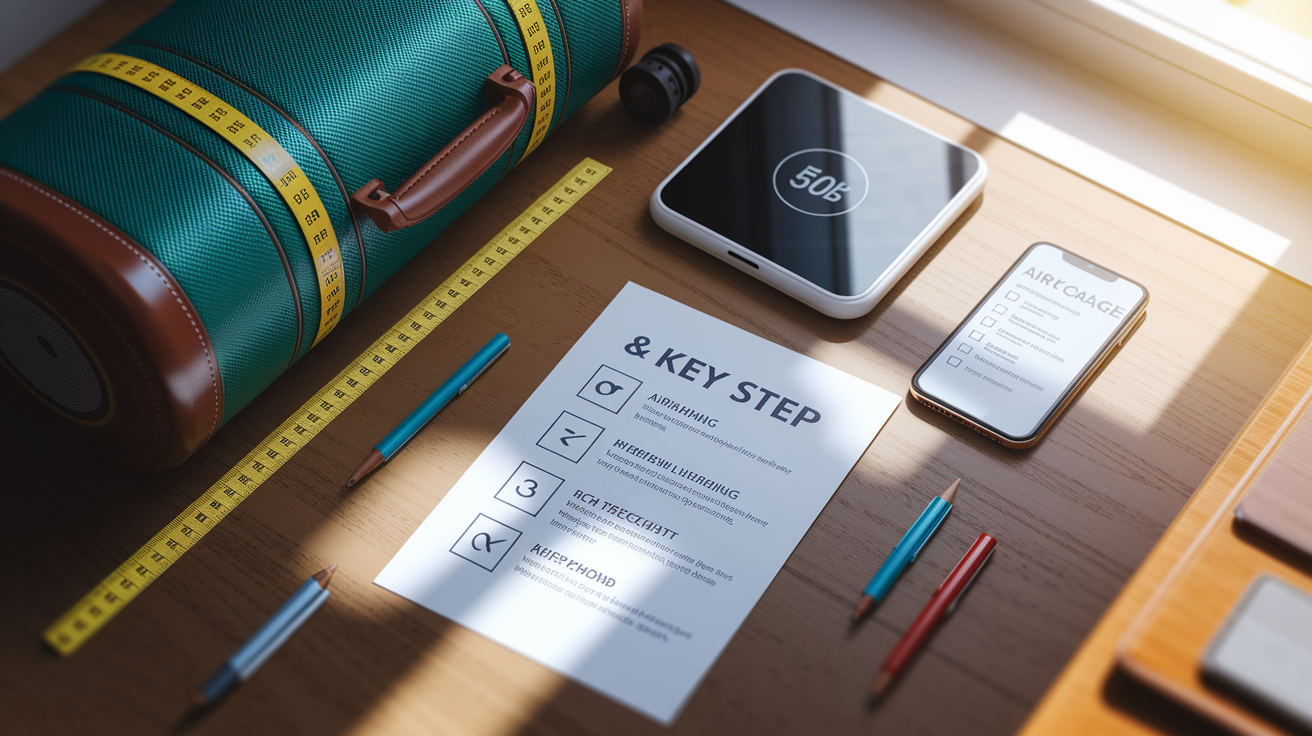
Baggage-fee surprises happen when you assume your bag fits or weighs what it should. Then check-in hits and you’re looking at $100+ for a second bag or an overweight charge. These aren’t random mistakes. People misread policies, skip weighing at home, and forget that wheels count when measuring.
Budget carriers and international airlines enforce rules more strictly than most U.S. domestic flights. You might’ve never had your carry-on weighed flying coast to coast. Don’t assume that holds on a low-cost carrier or overseas route. Prepaying checked bags online costs less than paying at the counter. But only if you’ve checked your airline’s actual rules first.
Multi-airline trips add another mess. Each carrier might have different policies, and the strictest one usually wins unless there’s a partner agreement. If you’re connecting through multiple airlines, verify rules for every leg. Ask at check-in whether your bags go through to your final stop.
Six steps to dodge the most common mistakes:
- Look up baggage policy on each airline’s site for your exact route and fare class (Basic Economy, Main, Business) at least 24 to 72 hours out.
- Measure your bag’s full dimensions including wheels, handles, any external pockets. Use a tape measure and compare to published limits.
- Weigh each bag fully packed using a luggage scale or bathroom scale to stay under the weight cap (usually 50 lbs for checked bags).
- Confirm carry-on vs. personal item rules because some airlines allow both, some only one, and size limits swing wildly.
- Prepay checked bags online during booking or before you get to the airport to lock the lowest rate.
- Flying multiple airlines? Verify each carrier’s policy and ask the agent if bags go through or if you’ll recheck to avoid surprise fees.
Understanding Airline Baggage Allowances And How They Prevent Fee Surprises
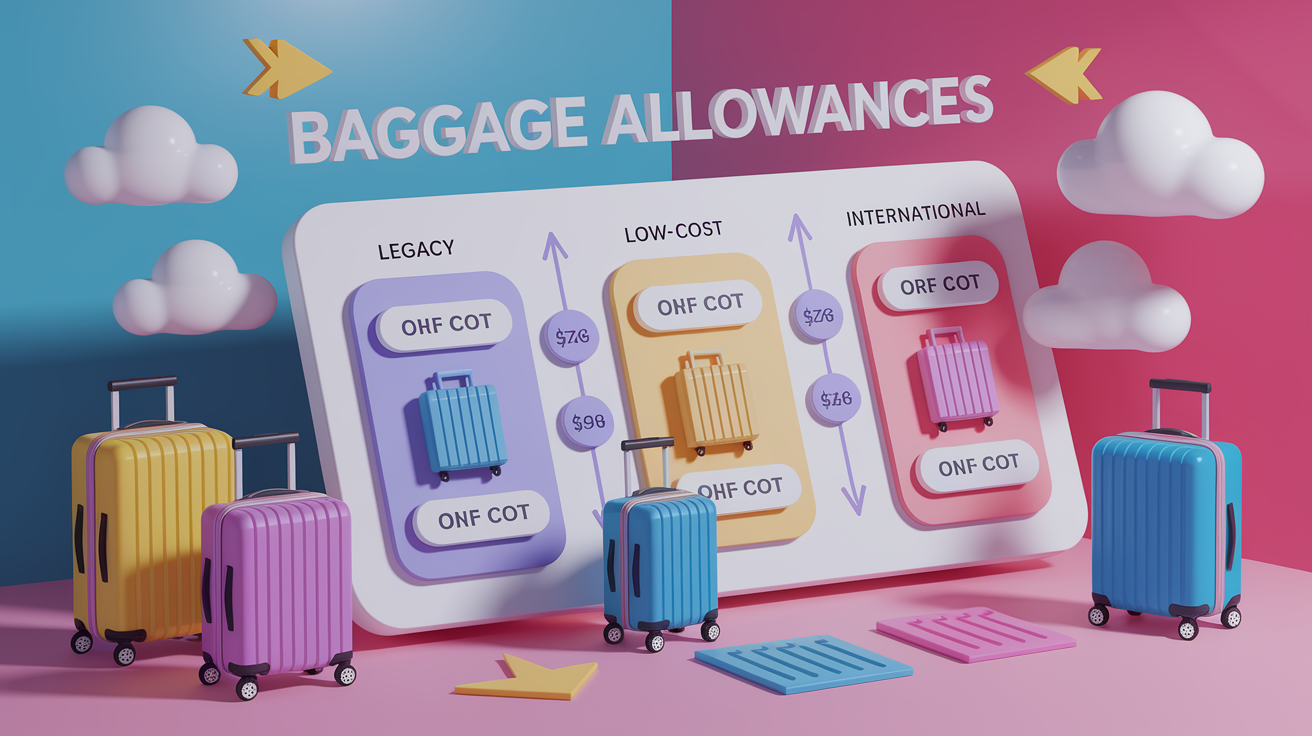
Baggage allowances tell you how many bags you can check or carry on, max size, max weight. U.S. legacy carriers charge around $45 for a first checked bag, up to $60 for a second. Though one major carrier still allows two free checked bags per person no matter the fare type. Low-cost carriers charge for checked bags and carry-ons. Their personal item size limits can be way stricter than legacy airlines.
Weight limits usually sit around 50 lbs for checked bags. One pound over can trigger a $50 fee. Size limits get measured in total linear inches (length plus width plus height), and that includes wheels, handles, expandable sections. If your bag’s 23 inches long, 15 wide, 10 tall including wheels, that’s 48 linear inches. Airlines list max dimensions for carry-on (overhead bin) and personal item (under seat). Exceed either and you’re looking at forced gate-checking or getting turned away.
| Airline Type | Typical Allowance | Common Fee Triggers |
|---|---|---|
| Legacy Carrier | 1 carry-on + 1 personal item free; first checked bag ~$45 | Overweight (over 50 lbs), oversized (over ~62 linear inches), second checked bag |
| Low-Cost Carrier | 1 personal item free; carry-on and checked bags charged separately | Carry-on exceeding small personal-item size, any checked bag, gate-check on full flights |
| International Carrier | 1–2 checked bags included on long-haul routes; carry-on weight limits enforced | Carry-on over weight limit (often 15–22 lbs), oversized checked bags, extra bags on short-haul segments |
Measuring And Weighing Luggage Correctly To Avoid Overweight Baggage Fees

Weigh your bag fully packed before you leave. Use a luggage scale by hooking it to your bag’s handle, lift it off the ground, read the number. No luggage scale? Stand on a bathroom scale holding the bag, note total weight, weigh yourself alone, subtract. Stay 2 to 3 lbs under the airline’s limit to account for scale differences and last-minute stuff you add.
Measure with a tape measure along the longest, widest, tallest points including wheels, telescoping handles (even retracted), any pockets or straps sticking out. Add those three numbers. If your airline says max 62 linear inches and your bag’s 61, you’re good. If it’s 63, you risk an oversize fee. Forgetting to include wheels or the handle is one of the most common reasons people get hit with surprise fees.
Five tips to get it right every time:
- Pack your bag completely, zip everything, retract the handle before weighing.
- Measure height from bottom of wheels to top of bag or handle, whichever’s taller.
- Measure width at the widest point, including side pockets or expandable zippers if they’re open.
- Measure depth front to back including any bulging fabric or external straps.
- Recheck weight after adding souvenirs before your return flight.
Packing Strategies That Reduce Airline Baggage Charges
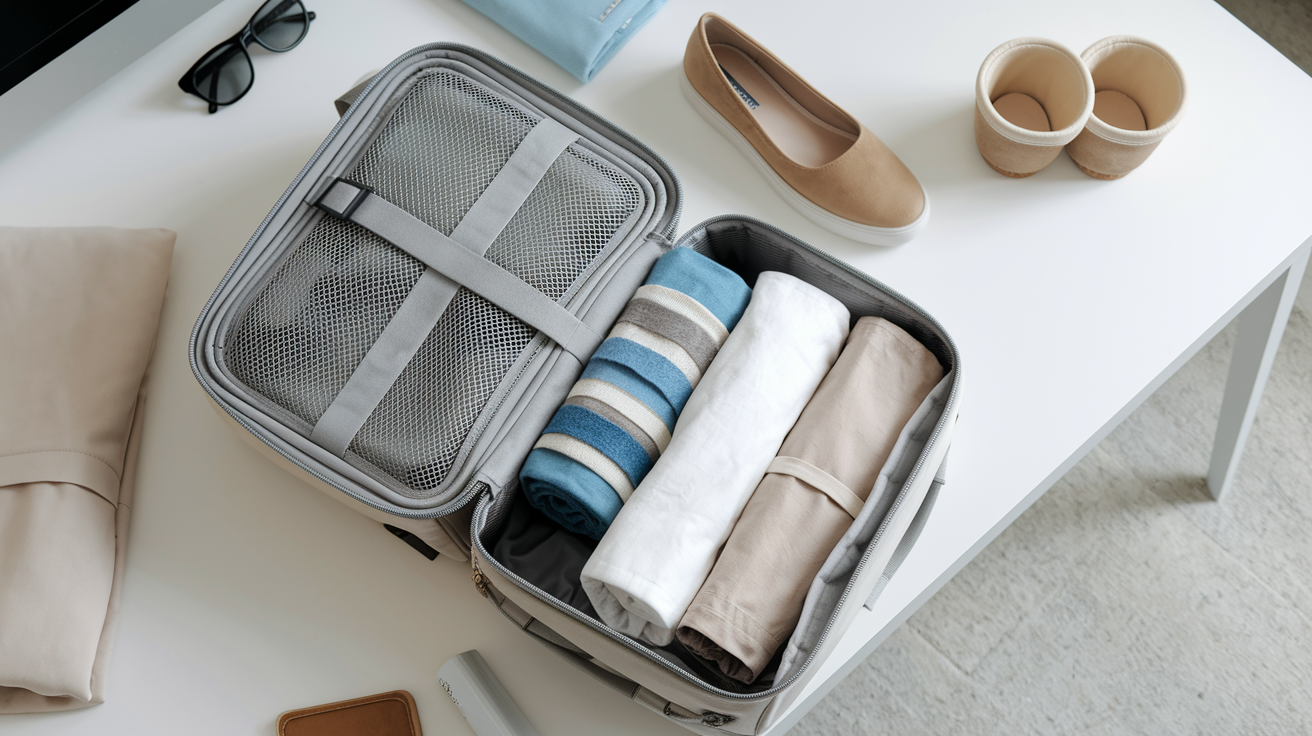
Easiest way to skip checked-bag fees? Fit everything into a carry-on and personal item that meet size and weight limits. Pack your heaviest shoes and jacket on your body during the flight instead of inside your bag. Wearing a coat, boots, hoodie on travel day can cut 5 to 8 lbs off your bag’s weight. Keeps you under the 50 lb threshold or within carry-on weight limits on international flights.
Compression packing cubes organize clothes tightly and maximize space, but weigh after packing. Tightly compressed items can add surprising weight. Shift heavy stuff like toiletries, shoes, electronics into your personal item if it’s a backpack or tote with extra room. Close to the weight limit? Transfer one or two heavier things into the bag you’ll carry on instead of the one you’ll check.
Pick a soft-sided duffel or compressible suitcase if you’re near size limits. Hard-shell bags have fixed dimensions and won’t squeeze into overhead bins or under seats. A duffel can compress slightly to meet rules. Need to bring bulky items like winter coats or sports gear? Consider shipping them ahead to your hotel or destination, especially if oversize baggage fees top $100 and shipping runs $40 to $60.
Choosing The Right Airline And Fare To Minimize Baggage Fees
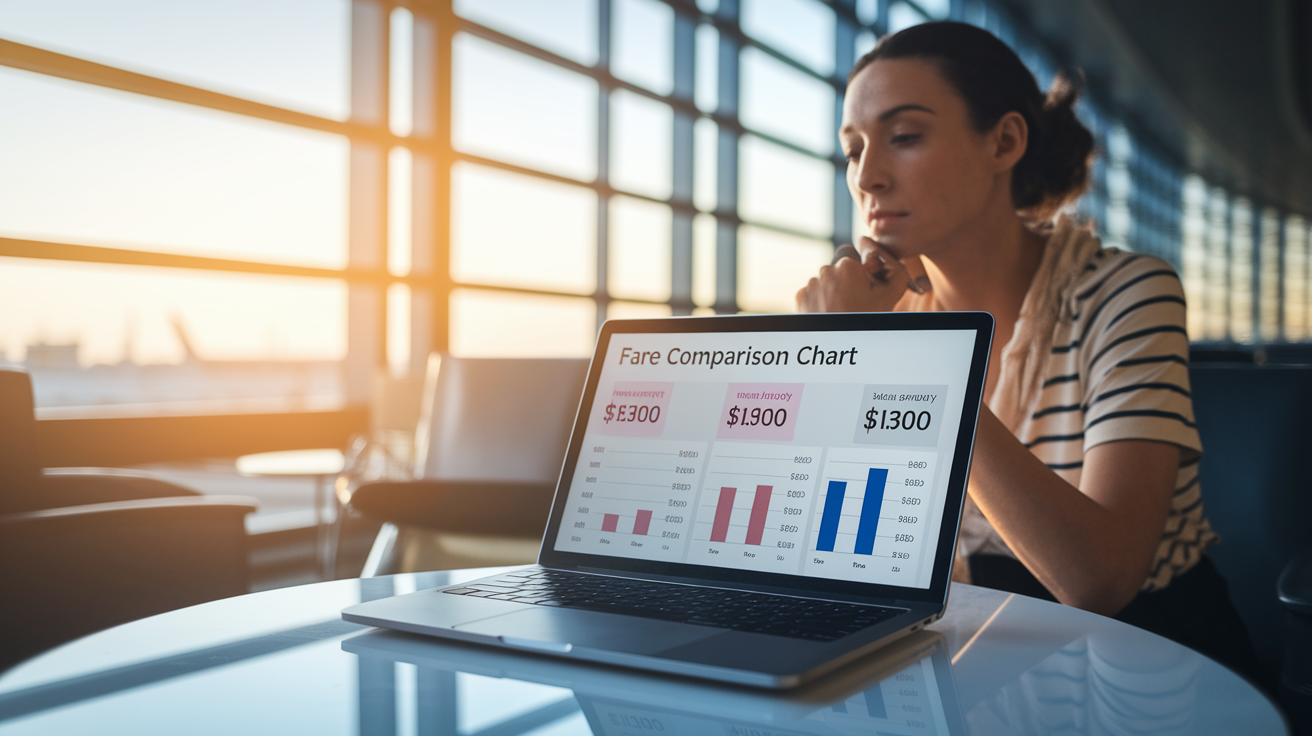
Some airlines still include two free checked bags per person no matter the fare class. Others charge for every checked bag even in premium cabins on domestic routes. Before booking, compare baggage policies on your shortlist of carriers. Calculate the real ticket cost including any baggage fees you’ll pay. A ticket that looks $50 cheaper might cost more once you add two checked bags at $45 each.
Cobranded airline credit cards often give one or more free checked bags for the cardholder and companion travelers on the same reservation. One major cobranded card allows one free checked bag for up to nine people traveling together. Check if your card requires you to buy the ticket with it to activate the benefit, or if linking the card to your frequent-flier account is enough. Some premium travel cards offer annual credits that apply to baggage fees, basically reimbursing you for checked-bag costs.
Airline loyalty programs grant free checked bags at mid-tier and top-tier elite status. If you fly a lot with one carrier or alliance, hitting the tier that includes free bags can save hundreds yearly. Even without status, some airlines allow specific items free. For example, one carrier lets you check a case of wine or a ski bag free no matter your fare class.
When Upgrading Fare Is Cheaper Than Paying Bag Fees
Upgrading from Basic Economy to Main or Standard Economy on long-haul routes often includes at least one checked bag and costs less than Basic plus two checked-bag fees combined. Flying to Europe and Basic is $400 with checked bags at $60 each way ($520 total), but Main with one included bag is $480? The upgrade saves you $40 and usually adds perks like seat selection and priority boarding.
Some international carriers price Main Economy with an included bag lower than Basic plus the add-on bag fee when bought separately. Compare fare breakdown during booking, especially on routes longer than six hours. Traveling as a couple or family? The math gets even better because included bags apply per person.
Multi-Airline Itineraries And Codeshare Rules That Cause Baggage Fee Mistakes

When your trip includes flights by different airlines, each carrier’s policy might apply to its own segment unless there’s a through-check agreement. Book a ticket with Airline A that connects through Airline B? Confirm at check-in if your bags go all the way to your final stop. Some partner airlines share policies and allow free through-checking. Others make you collect and recheck bags at the connection.
Common example: international arrivals to the U.S. Traveler flying Switzerland to Chicago to Utah had bags initially checked through but had to pick them up in Chicago for customs and recheck for the domestic leg. The airline didn’t charge extra baggage fees for the recheck because it was processed during initial check-in. But if the passenger added a bag in Chicago, full fees would’ve hit.
Four precautions for multi-airline trips:
- Look up baggage policy for every carrier on your itinerary, not just the airline that sold the ticket.
- Ask the check-in agent at your first airport if bags go through to final destination or must be reclaimed.
- Assume the strictest baggage policy among your carriers applies unless a specific agreement is confirmed.
- Keep printed or digital copies of all policies with boarding passes in case you need them at a connection airport.
Common Real-World Baggage Mistakes And How To Avoid Them
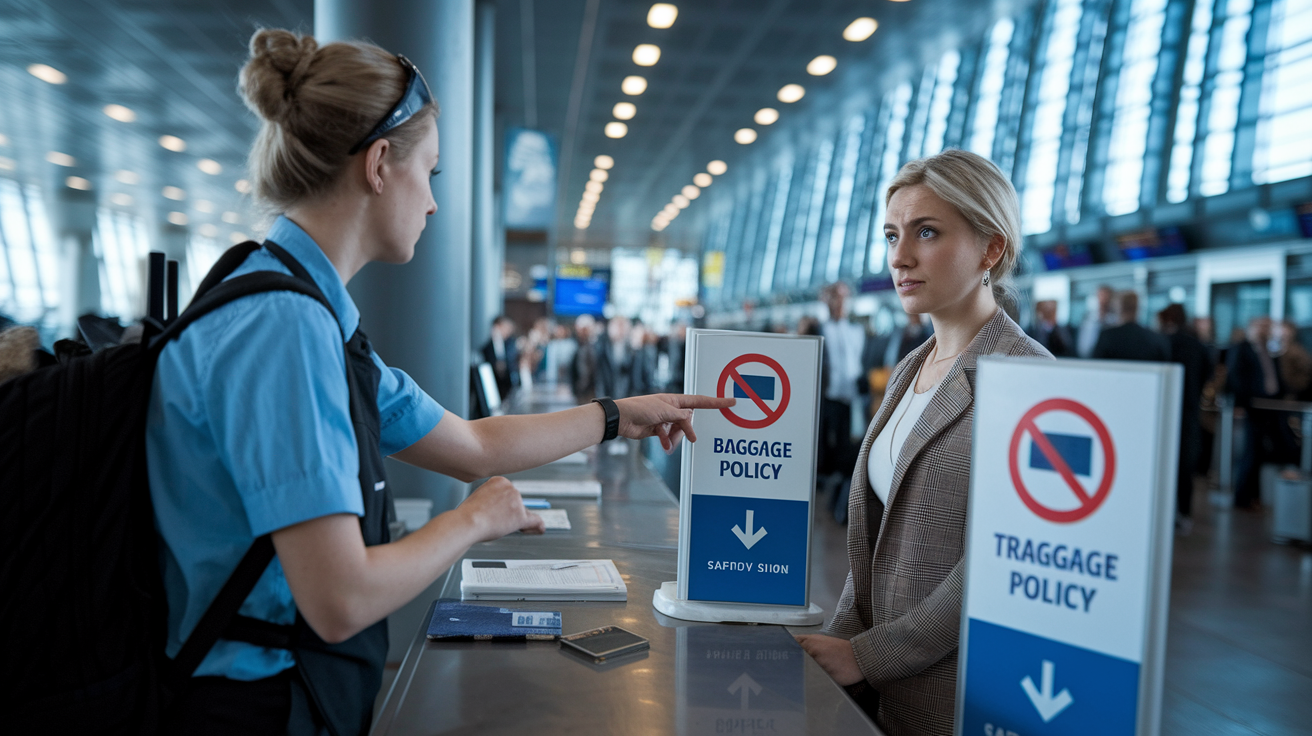
People assume carry-on weight won’t get checked on international or budget flights because it’s rarely enforced domestically in the U.S. That assumption leads to forced gate-checks or fees when airlines weigh bags at boarding, especially in Europe, Asia, on low-cost carriers worldwide. Your carry-on weighs 30 lbs and the limit’s 15 lbs? You’ll either pay a fee or gate-check the bag.
Adding a second bag at the airport triggers last-minute fees that often top $100 because you’re paying the highest rate. Realize at check-in you need to check an extra bag? You’ll pay walk-up rate instead of prepaid online rate. That difference can be $40 or more per bag.
Mismeasuring bag dimensions causes oversize charges when wheels, handles, expandable sections push your bag over the published limit. Measure your packed bag with a tape measure at home including all protrusions. Total’s 63 linear inches and limit’s 62? Either repack into a smaller bag or pay the oversize fee. Don’t assume gate agents will overlook one inch.
Money-Saving Tactics: Prepaying, Gate-Checking, And Shipping Options

Prepaying for checked bags online during booking or through your airline’s site before airport check-in almost always costs less than paying at the counter. Price difference can be $10 to $20 per bag. Prepaying locks your baggage allowance even if the airline raises fees before travel. Log into your reservation at least 24 hours before departure and add bags if you haven’t.
Volunteering to gate-check a carry-on when overhead bins fill might let you skip checked-bag fees on some airlines, though this tactic’s inconsistent. Legacy carriers often gate-check bags free during boarding if space runs out. Ultra-low-cost carriers might still charge full checked-bag fee even when gate-checking’s required. Willing to risk inconsistent enforcement? Pack your carry-on so it can be gate-checked without issues. Keep essentials in your personal item.
Shipping bulky or oversize items like ski equipment, musical instruments, cases of wine can be cheaper and less stressful than paying airline oversize fees. Airlines commonly charge $150 to $200 each way for oversize sports equipment. Shipping the same thing via courier might cost $60 to $100 with tracking and insurance. Ship to your hotel or destination address with enough lead time for delivery. Confirm someone’s available to receive the package.
| Option | Typical Cost Range | When It Saves Money |
|---|---|---|
| Prepay checked bag online | $30–$45 per bag | Always cheaper than paying at check-in ($40–$60) or gate ($60+) |
| Volunteer gate-check carry-on | $0 (inconsistent, may still be charged) | On legacy carriers when bins are full; risky on ultra-low-cost carriers |
| Ship luggage or gear | $40–$100 depending on size and speed | When airline oversize fees exceed $150 or item is fragile/high-value |
| Consolidate into carry-on only | $0 | Best for trips under one week or warm-weather destinations with light clothing |
Final Pre-Trip Baggage Checklist To Guarantee No Surprise Fees
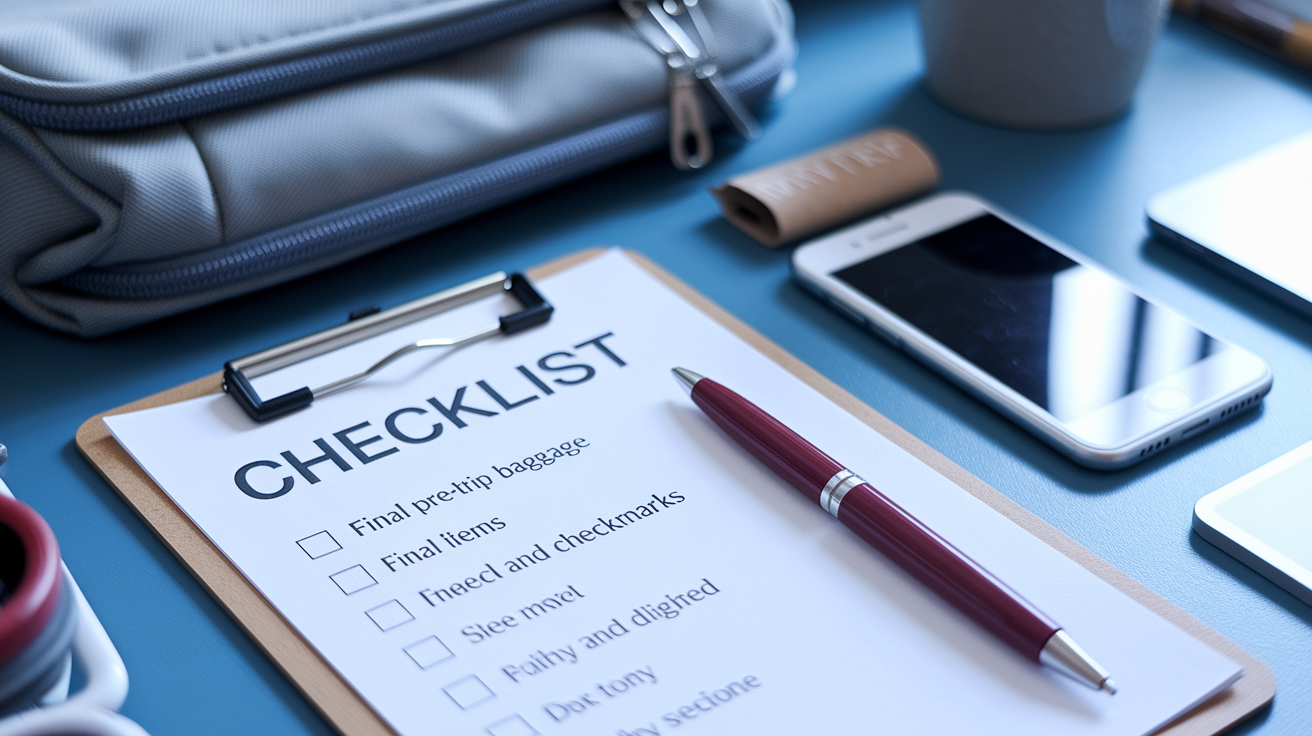
- Reconfirm baggage policies on each airline’s official site 24 to 72 hours before departure, checking for recent changes to fees or size limits.
- Measure your fully packed bag including wheels, handles, external pockets. Compare total linear inches to the airline’s published max.
- Weigh each bag at home using a luggage scale or bathroom scale. Stay at least 2 lbs under the weight limit to allow for scale variation.
- Prepay checked bags online if you’re bringing them, locking the lower online rate instead of walk-up fees at the counter.
- Pack a complete change of clothes, medications, essential toiletries in your carry-on or personal item in case your checked bag’s delayed or you’re required to gate-check unexpectedly.
- Verify credit card or loyalty program benefits for free checked bags. Confirm if the card must be used to buy the ticket or only linked to your account.
- Check TSA liquid limits (3.4 oz per container, one quart-size bag). Pack liquids in your checked bag if you’re over the limit to avoid security delays or forced disposal.
- Print or save digital copies of baggage policies and prepaid bag receipts on your phone to reference at check-in or the gate if fees are charged incorrectly.
Final Words
Stop surprise fees before you get to the airport: measure the bag with wheels and handles, weigh the fully packed suitcase at home, and confirm each airline’s size and weight rules.
This post gave practical steps. It covered measuring, weighing, packing tips, choosing fares, checking multi-airline rules, and prepaying or shipping to avoid last-minute charges. Use the numbered steps and final checklist before you go.
Keep this guide on how to avoid common airline baggage fee mistakes as your pre-trip habit. It saves time and money, and you’ve got this.
FAQ
Q: What is the 45 minute rule?
A: The 45 minute rule means you should be at the check-in or boarding gate at least 45 minutes before departure to avoid missed bag check, last-minute fees, or denied boarding on tight connections.
Q: Why not tie a ribbon on your luggage?
A: Tying a ribbon on your luggage can snag in conveyors, hide damage, or be removed; use a bright luggage strap or a small, secure ID tag that won’t interfere with handling or inspections.
Q: What is the 3 1 1 rule for JetBlue?
A: The 3-1-1 rule for JetBlue follows TSA: bottles 3.4 ounces (100 ml) or less, all fit in one clear quart-size bag, and one such bag per passenger in carry-on.
Q: How do I get my baggage fee waived?
A: You can get your baggage fee waived by using elite status, a cobranded credit card with bag benefits, booking a fare that includes checked bags, or meeting specific airline exceptions like military or infant policies.