

Want auroras without getting snowed in or stuck on a closed road?
The sweet spot is late September through October and March into April.
Those months give enough dark hours to see the northern lights while keeping main roads mostly clear.
Midwinter (December to February) offers longer viewing windows and strong displays, but storms and rural closures are common.
With the 2024–25 solar peak, shoulder seasons light up more often, so they’re the smarter bet.
Book late September or early March, base near paved routes, and add one weather‑buffer day.
Ideal Months for Iceland’s Northern Lights and Safer Road Access
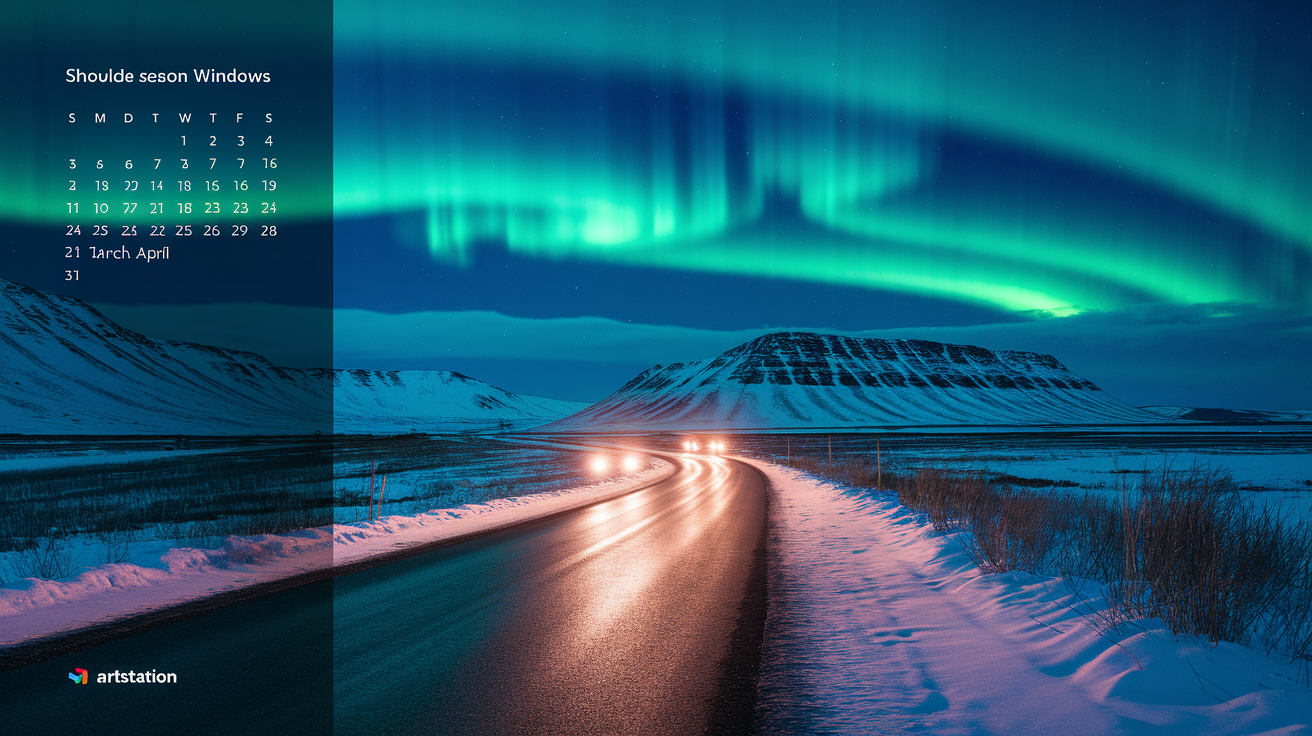
The sweet spot for northern lights and roads you can actually navigate? Late September through October, then March into April. You get enough darkness to see auroras without the chaos of full winter storms and closures. By late October, darkness starts around 19:00 and hangs on past sunrise. That’s several solid hours to hunt lights without battling the road disasters common in January.
Early March works the same way. Dark enough for viewing, but temperatures climb just enough to cut ice buildup on smaller routes.
December through February gives you the longest viewing windows. In December, darkness can run from roughly 15:30 until 11:30 the next morning. That’s nearly 20 hours if skies cooperate. Peak activity usually lands between 23:00 and 02:00, and solar storms can fire multiple times per day. But December and January also deliver Iceland’s nastiest weather. Storms blow in fast, dump snow, and force temporary closures on main highways. Rural roads become impassable. If you’re self-driving in these months, expect disruptions. Build extra days into your plan for weather holds.
The solar maximum forecast for 2024 and 2025 boosts aurora activity across all months, making shoulder seasons even smarter. When geomagnetic activity spikes during a solar maximum, you can catch strong displays in September or April without fighting deep-freeze road conditions. Book late September or early March and you still get vibrant auroras while keeping your rental car on paved routes instead of buried in snowdrifts.
Seasonal Road Conditions in Iceland for Northern Lights Travelers
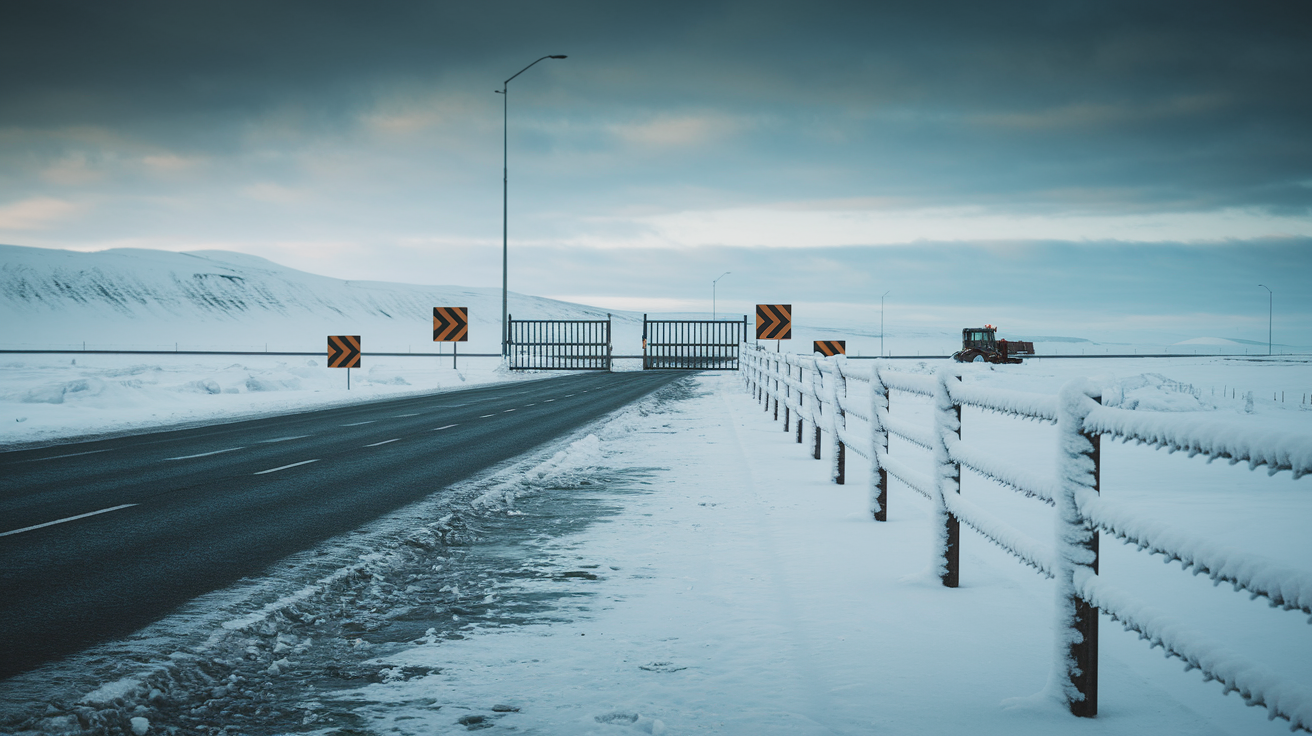
Winter in Iceland means snow, ice, and sudden storms that turn highways into dead ends. December through February, main routes including stretches of the Ring Road can close with almost no warning when blizzards roll through. Rural roads get even less attention. One overnight snowfall can bury gravel surfaces until plows show up hours or days later. Daylight shrinks to four or five hours in January, so if you need to move during safe light, your driving window gets crushed.
Autumn and spring flip those odds. September and October roads stay mostly clear until late in the season. March into April sees melt begin and storm frequency drop. You’ll still hit occasional snow squalls, but highways reopen faster and secondary routes firm up after sunrise. Longer daylight means you can drive between viewpoints in safe light, then wait for full darkness at your chosen spot instead of racing sunset on icy asphalt.
Common winter road challenges: Black ice on bridges and mountain passes, sudden whiteout conditions that drop visibility to near zero, highway closures announced via radio or online with limited advance warning, rural roads that receive low-priority plowing.
How storms change last-minute plans: A forecast showing clear skies can flip to snow within two hours. You’ll cancel a planned drive or hunker down at your accommodation until the storm passes and plows clear the route.
When rural roads become risky: Any gravel or F-road in winter can turn unpassable after snowfall. Even main secondary routes leading to remote viewpoints may stay gated or unsalted until daytime crews arrive.
How daylight length impacts driving safety: In December and January, sunrise may come after 11:00 and sunset before 16:00. Most repositioning drives happen in darkness on roads where ice is hardest to see and help is slower to reach if you slide off.
Darkness, Daylight Hours, and Aurora Viewing Windows in Iceland
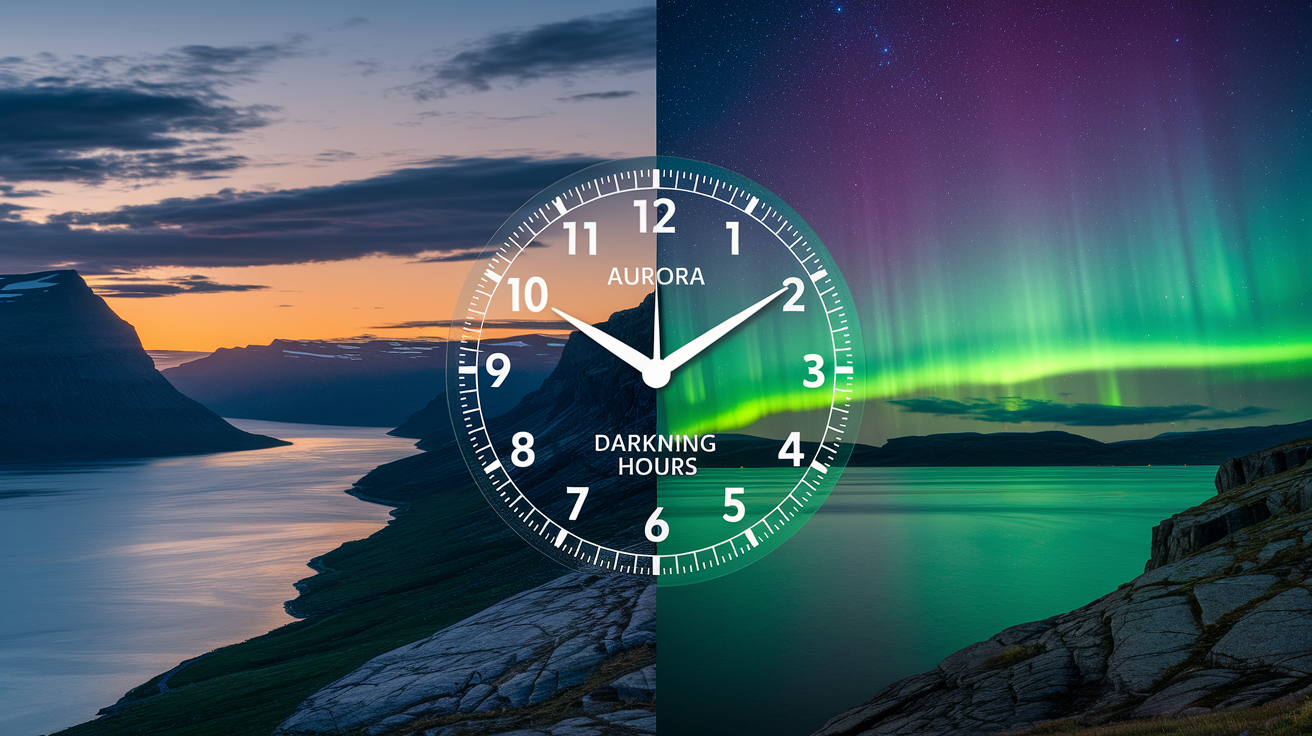
Iceland’s darkness cycle shifts hard across the aurora season. Late September, full darkness arrives around 21:00 and lifts near 07:00. Roughly ten hours of potential viewing. By late October, that window stretches to twelve hours. December hits the extreme. Darkness settles as early as 15:30 and holds until past 11:00 the next morning. Auroras can appear any time after sunset, but activity peaks between 23:00 and 02:00 when solar wind streams align and geomagnetic disturbances reach their strongest. Arrive in December or January and you can start watching in late afternoon and run through dawn if skies cooperate and you can handle the cold.
March and April pull daylight back to around fifteen hours, shrinking the dark window to nine or ten hours per night. That still leaves plenty of time for auroras. Darkness begins near 20:00 in early March and around 22:00 by mid-April. You lose the ultra-long midwinter windows but gain safer roads and the ability to explore daytime sights without driving in total blackness. Want to hike glaciers, visit waterfalls, or tour the Golden Circle during the day and then chase lights at night? Late March offers the cleanest trade-off between adventure hours and aurora hours.
Weather Patterns and Cloud Cover Impact on Iceland Northern Lights Trips
Clouds are the single biggest obstacle between you and a successful aurora sighting. Even when solar storms pump particles into the atmosphere and geomagnetic indices spike, a low cloud deck blocks every photon. Iceland’s weather shifts fast. A morning forecast showing overcast skies can break into clear patches by evening. Or the reverse can happen and erase your viewing window an hour before you planned to head out. Storms cycle through frequently from October through March. Some last minutes, others camp over the island for days.
Solar activity runs on its own schedule. Geomagnetic disturbances that trigger auroras can fire several times per day, especially during solar maximum years like 2024 and 2025. The aurora itself is often ready to perform. Your success hinges entirely on whether clouds move out of the way. The volatility works both ways. Arrive under solid overcast and stay flexible, and patience plus a willingness to drive short distances when forecasts hint at clearing can turn a clouded-out night into a vivid display within two hours.
Typical cloud patterns in aurora season: Low pressure systems roll in from the Atlantic, bringing bands of cloud and precipitation that sweep west to east across the island. Gaps between systems can open suddenly, offering one to three hour clear windows before the next front arrives.
How storms reduce visibility: Snow, sleet, or rain not only add cloud cover but also make waiting outdoors uncomfortable and create road conditions that prevent safe repositioning to better viewing spots.
Best times to monitor skies for clearing: Check satellite cloud maps and short-range weather models in late afternoon and again around 21:00. If models show clearing after midnight, plan to stay awake and mobile rather than assuming the night is lost.
Best Regions in Iceland for Aurora Viewing With Reliable Road Access

Reykjavik and its immediate surroundings offer several dark-sky spots that stay accessible year-round. Seltjarnarnes sits about ten minutes west of downtown and provides an ocean-view platform with minimal streetlight interference. Öskjuhlíð, the wooded hill overlooking the city, gives elevation and a buffer from urban glow. Videy Island requires a short ferry ride but delivers near-total darkness when the last boat returns and the handful of lights on the island shut down. These locations work well if weather closes roads outside the capital or if you prefer a low-risk fallback close to your hotel.
Snæfellsnes Peninsula stretches west with sparse population and wide-open coastal views. The region around Kirkjufell and nearby waterfalls combines photogenic foregrounds with dependable road access most of the season. The main route around the peninsula stays plowed and salted, making it a strong choice for self-drivers in October, November, and March. South coast sites like Vík, Skaftafell near Vatnajökull, and Jökulsárlón Glacier Lagoon sit along Route 1, Iceland’s primary Ring Road artery. Vík and the black sand beaches at Reynisfjara offer dramatic basalt columns and sea stacks under auroras. Jökulsárlón adds icebergs drifting in the lagoon as foreground elements. These spots see higher traffic, but the road between Reykjavik and Vík typically reopens quickly after storms because it carries steady tourist and freight flow.
Major Ring Road sections through these regions remain the safest winter bets outside deep midwinter. Local accommodations in rural areas reduce light pollution and put you steps from dark skies, cutting the need for late-night drives on uncertain roads. Countryside lodges near Snæfellsnes or the south coast often sit far enough from town centers that you can step outside your room and start watching within minutes of a forecast spike.
Tools and Forecast Resources for Planning an Iceland Aurora Trip

Aurora prediction hinges on two main inputs: geomagnetic activity and cloud cover. The Kp index measures geomagnetic disturbance on a 0 to 9 scale. Readings of 3 or higher signal promising conditions for auroras at Iceland’s latitude. Iceland’s national meteorological office publishes real-time aurora forecasts combining Kp data with cloud maps. You get a single dashboard to check solar activity and sky transparency. Download an aurora alert app before you travel so you receive push notifications when activity spikes. That lets you respond quickly if skies clear unexpectedly at 23:00 and you’re already in bed.
Forecast monitoring doubles as a road safety step for self-drivers. The same meteorological service tracks storms, wind speeds, and precipitation that affect highway conditions. If an aurora forecast looks strong but a storm warning sits over your planned route, you know to either delay the drive or switch to a closer backup location. Checking forecasts every few hours during your trip helps you balance aurora chasing with safe travel, especially in shoulder seasons when conditions can swing between clear and stormy within a single evening.
| Tool | What It Shows | Why It Matters |
|---|---|---|
| Kp Index | Geomagnetic activity level from 0 to 9 | Readings of 3 or above indicate likely auroras at Iceland’s latitude; higher numbers mean stronger, more visible displays |
| Cloud Cover Maps | Real-time satellite imagery and short-range cloud forecasts | Even strong solar activity is invisible under clouds; maps show where skies may clear in the next few hours |
| Real-Time Solar Activity | Current solar wind speed and particle density hitting Earth’s magnetosphere | Spikes in solar wind can trigger auroras within 30 to 90 minutes, giving you a heads-up to get outside or drive to a dark spot |
Self-Drive vs Guided Tours for Northern Lights and Seasonal Road Safety
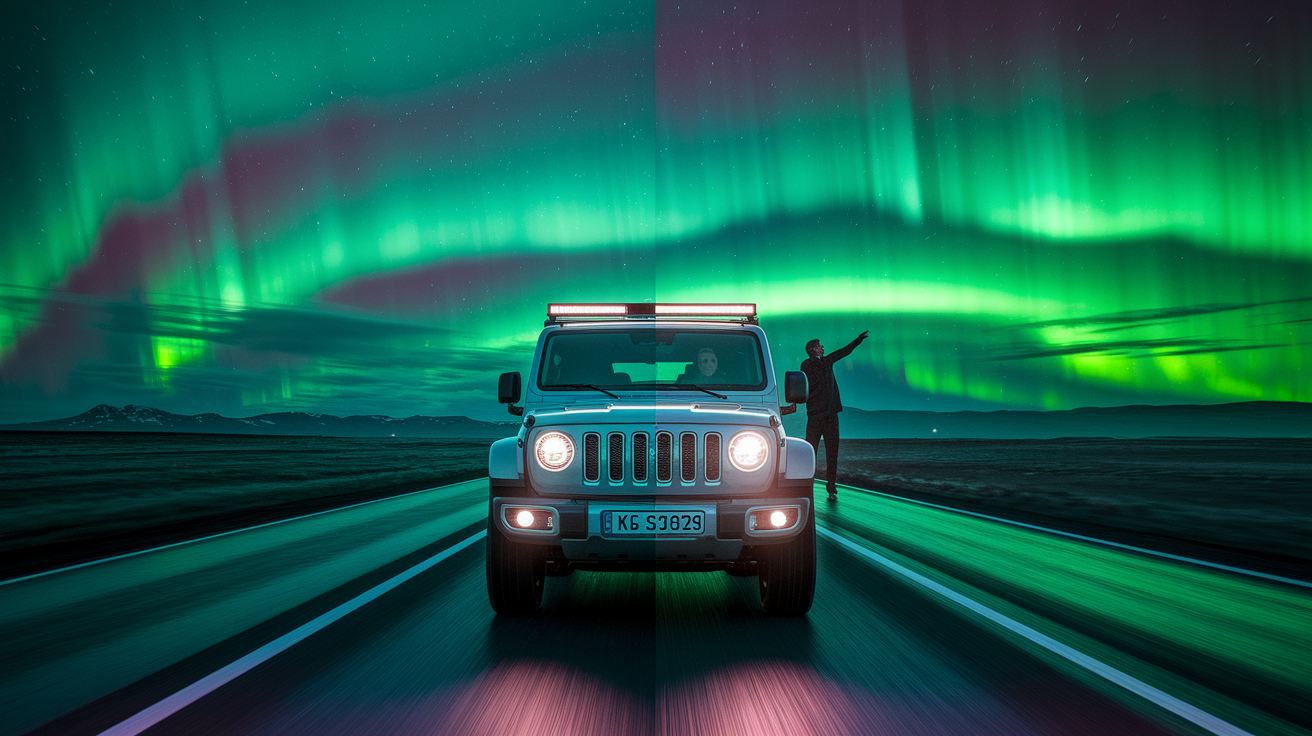
Guided northern lights tours handle logistics, weather monitoring, and safe driving so you can focus on watching the sky. Operators run tours from September through April, with pickups in Reykjavik typically starting around 21:00. Small group and classic bus tours both chase forecasts in real time, repositioning to areas where clouds are forecast to clear or where recent reports show activity. If your tour sees no auroras due to weather, many operators offer a free ticket to join another night. That reduces the financial sting of a clouded-out evening. Tours work especially well in December, January, and February when roads turn unpredictable and the risk of getting stuck or missing a closure notice climbs.
Self-drive trips give you speed and flexibility to react the moment forecasts improve or to linger at a spot if auroras intensify. In shoulder months like late September, October, March, and early April, roads stay mostly clear and daylight hours let you reposition safely between locations. Renting a 4×4 becomes non-negotiable if you plan any midwinter self-drive. Even main highways can see ice patches, and secondary routes near rural viewpoints often sit unplowed until morning. Check road conditions on the Icelandic Road and Coastal Administration site before every drive. Carry emergency supplies including a charged phone, water, snacks, and a blanket in case you need to wait out a sudden squall.
Advantages of guided tours: Professional drivers trained in winter conditions, real-time weather and aurora monitoring by the operator, no navigation stress, and the ability to relax and watch instead of gripping a steering wheel on ice.
When self-drive works best: Shoulder seasons with longer daylight, milder weather, and roads that stay open. Also useful if you want to combine aurora hunting with daytime sightseeing at your own pace across multiple regions.
Conditions requiring caution: Any forecast showing snow, high winds, or rapid temperature drops. Black ice forming after sunset on mountain passes. Rural roads where you may not see another vehicle for an hour if you need help.
How tour operators adjust to weather: Guides monitor cloud maps throughout the evening and reroute the bus toward forecast clearings, sometimes driving an hour in a different direction if it improves odds. They also cancel or delay departures if roads close, prioritizing passenger safety over forcing a trip.
Packing and Gear for Iceland’s Aurora Season and Variable Roads
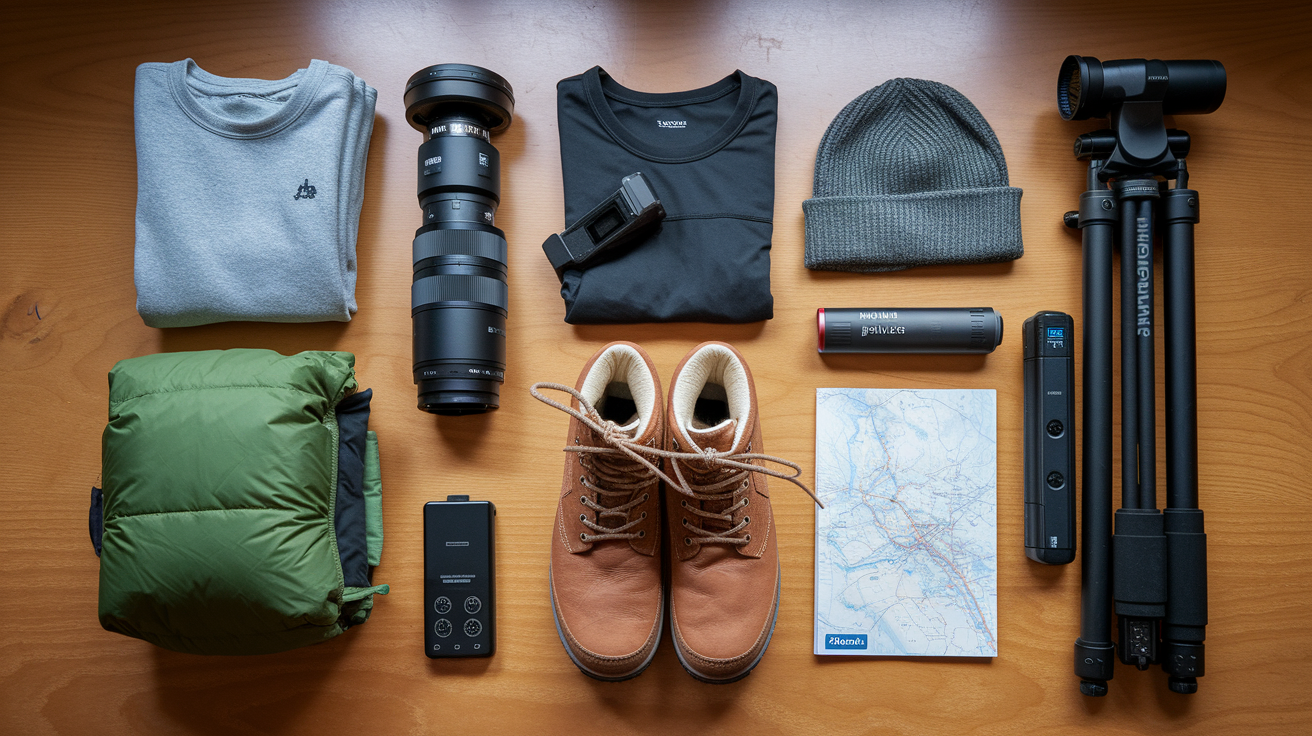
Layer your clothing so you can adjust as you move between a warm vehicle and standing outside in near-freezing temperatures. Base layers in merino or synthetic fabric wick moisture, mid-layers like fleece or down trap heat, and a waterproof shell blocks wind and snow. Coastal winter averages sit near 0°C, but wind chill and humidity make it feel colder. Inland or elevated spots drop further. Pack insulated, waterproof boots with good tread for icy ground, a warm hat that covers your ears, and gloves that let you operate a camera without freezing your fingers.
Photography gear for auroras includes a tripod to stabilize long exposures, a camera body that handles high ISO cleanly, and a wide aperture lens in the 14mm to 24mm range to capture the full arc of the aurora. Set your camera to manual mode, open the aperture to f/2.8 or wider, and start with a shutter speed between 5 and 15 seconds depending on how fast the aurora moves. Bring spare batteries because cold drains them quickly. Keep batteries in an inside pocket until you’re ready to shoot. After a night outside, geothermal spas like Blue Lagoon stay open year-round and offer a warm recovery soak before heading back to your accommodation.
Clothing layers: Moisture wicking base layer, insulating mid-layer such as fleece or down jacket, waterproof and windproof outer shell, insulated pants if temperatures drop below freezing.
Traction and safety gear: Ice cleats or slip-on traction spikes for boots, headlamp with red light mode to preserve night vision, and a small first aid kit in your day pack or vehicle.
Photography basics: Sturdy tripod, camera capable of manual settings and high ISO (1600 to 3200), wide angle lens with large aperture, remote shutter release or timer to avoid camera shake, lens cloth to wipe condensation or snow.
Emergency road items for self-drivers: Blanket, bottled water, high energy snacks, phone charger and power bank, flashlight, basic tool kit, and a physical map as backup if mobile signal drops.
Electronics protection: Store batteries inside your jacket to keep them warm, bring microfiber cloths to clear moisture from lenses and screens, and allow camera gear to acclimate slowly when moving from cold outdoor air into a heated car to prevent condensation damage.
Final Words
Late September–October and March–April are the sweet spot: enough darkness for auroras and milder, more reliable roads for self‑drives.
December–February brings the longest nights and higher aurora hours, but storms, icy rural roads, and closures make driving harder.
If you’re asking when is the best time to visit Iceland for northern lights and accessible roads, choose a shoulder month around those windows. You’ll see more sky while keeping your plans simple and safe.
FAQ
Q: How many days do you need in Iceland to see the Northern Lights?
A: The number of days you need in Iceland to see the Northern Lights is at least 3–5 nights for a reasonable chance; plan 5+ nights to buffer bad weather and improve odds.
Q: Is it okay to wear jeans in Iceland?
A: Wearing jeans in Iceland is okay for cities and short outings, but jeans aren’t ideal in wet, windy, or cold conditions; add waterproof layers and a warm base for comfort and safety.
Q: What is the cheapest month to visit Iceland?
A: The cheapest month to visit Iceland is usually mid-winter (January) or late autumn (November), when demand drops; expect lower fares and hotel rates but colder, less predictable weather.
Q: Can you drive to see the Northern Lights in Iceland?
A: Driving to see the Northern Lights in Iceland is possible, especially in shoulder seasons; in midwinter you’ll need a suitable vehicle, check road reports, or choose a guided tour when storms threaten.