

What if your suitcase is the real reason your itinerary falls apart?
Map every bag compartment to specific days or activities before you touch anything.
No guessing, no midnight digging; pull one module and you’re ready for the next stop.
This post lays out a six-step, module-based packing strategy with labelled cubes, accessibility layering, and a tiny checklist that slashes repack time, prevents forgotten chargers and passports, and keeps transfers fast.
Follow these rules of thumb and you’ll pack once, move quickly, and stay on schedule.
Core Packing Strategy Framework for Smooth, Efficient Itineraries
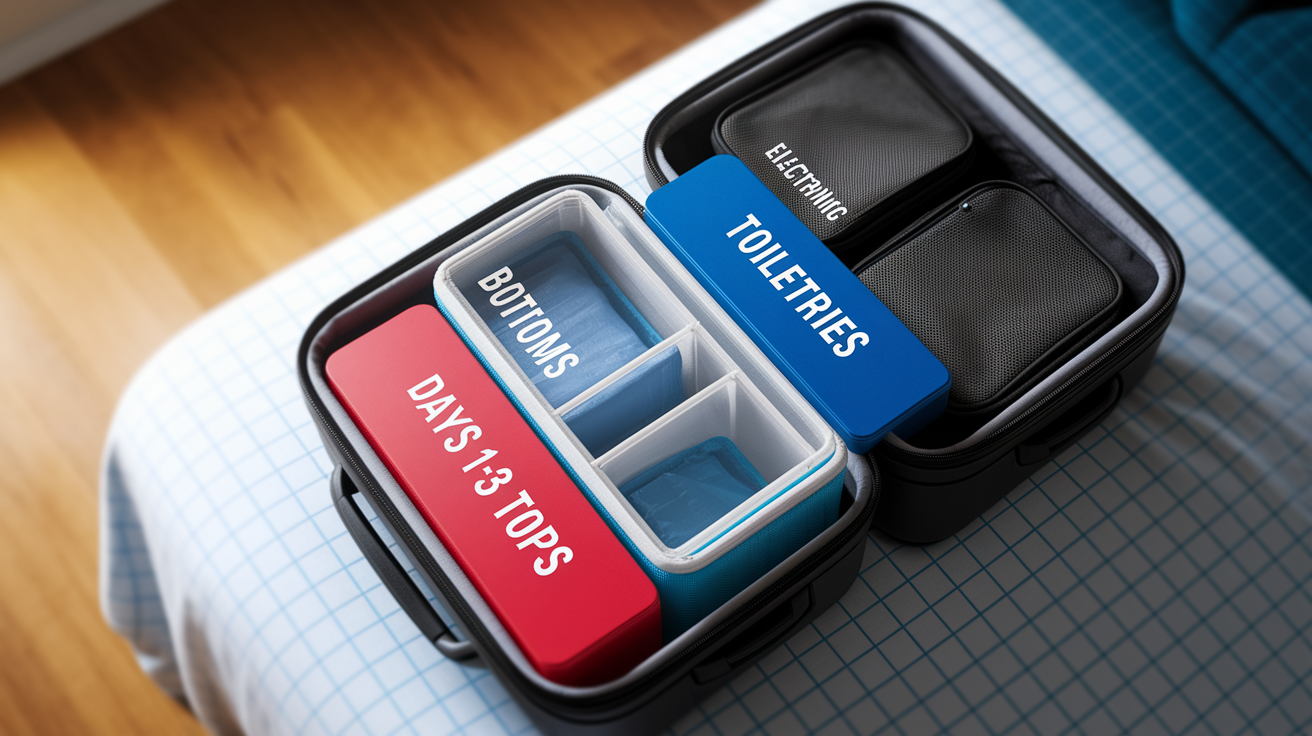
The fastest way to pack for multi-stop travel? Map every bag compartment to specific days or activities before you touch anything. No guessing, no shuffling mid-trip. Day three walking shoes go in one cube, airport layers stay on top, formal dinner pieces cluster together. When you land somewhere new, you pull one module and you’re done.
Think of your bag like a filing cabinet sorted by day, climate, or activity. Three humid sightseeing days followed by two cooler mountain nights means one cube for hot weather gear, another for layers. Things you grab constantly (meds, chargers, passport) belong in exterior pockets or right at the top so you’re not digging through folded shirts at security.
Here’s the six-step workflow:
- Write out your itinerary day by day. Note climate, dress code, activity intensity for each chunk.
- List outfits or outfit pieces aligned to each day, aiming for one to two complete looks per day and maxing out overlap between pieces.
- Stage everything in one visible spot (bed, floor, table) so you see the full pile before anything goes in.
- Group items by when you’ll use them: early trip, mid trip, end trip. Or by type: bottoms, toiletries, electronics.
- Pack one module at a time. Near-term or high-access stuff on top, late-trip or low-frequency modules at the bottom.
- Snap a photo of the packed layout to reference when repacking or heading home.
Accessibility layering means the stuff you touch most stays within reach. Repeatable kit systems (permanent toiletry pouch, dedicated electronics case, pre-loaded document wallet) cut prep from hours to minutes because you’re assembling modules, not making hundreds of tiny decisions.
Building an Itinerary-Aligned Capsule Wardrobe for Efficient Packing

Plan outfits based on what’s actually scheduled, not what might happen. Three walking-heavy mornings, two museum afternoons, one group dinner? Pack comfortable broken-in shoes for the walks, a single pair of dressier flats or low heels for the evening, and tops that work in both contexts. Check the weather forecast multiple times in the three days before you leave. Mentally rehearse outfit combos while you’re commuting, waiting in line, winding down at night. By the time you physically pack, you’re just executing a plan you’ve already tested.
Build your capsule around these five rules:
- Solid colors and classic neutrals so every piece works with multiple others, creating at least ten distinct looks from a small number of items.
- Layer thin, versatile pieces instead of packing bulky single-purpose stuff. Quick climate adjustments across airport temps, train cabins, destination microclimates.
- Interchangeable bottoms and tops that transition from casual daytime exploring to the occasional formal dinner without requiring outfit changes or duplicates.
- Wrinkle-free, hand-washable fabrics so you can refresh key pieces in a hotel sink with a small Woolite packet and skip carrying duplicates on longer trips.
- Climate-flexible accessories like hats, scarves, a pashmina, or a sarong that alter the look and warmth of core outfits without adding bulk.
Pick one folding or rolling method and stick with it. Rolling works well for casual knits and non-wrinkling fabrics. Folding suits structured pants and button shirts. Consistency speeds the initial pack and any mid-trip repacking because your hands remember the movements and you can gauge space at a glance.
Advanced Modular Optimization for Multi-Stop Travel
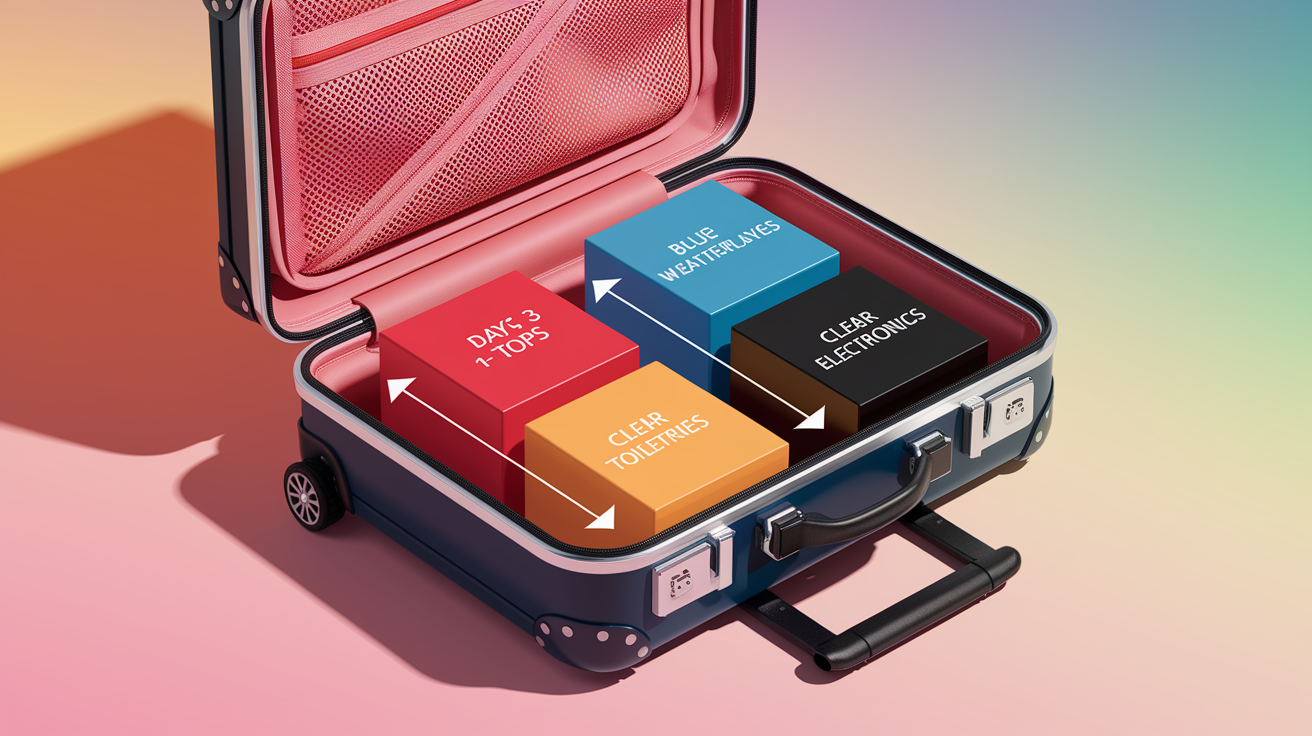
Label your packing modules. Small luggage tag or masking tape on each cube noting what’s inside: “Days 1–3 Tops,” “Cold-Weather Layers,” “Underwear/Socks.” You’ll know exactly which pouch to open without unzipping everything. Color schemes back up the system. One cube color for clothing, another for toiletries, a third for cables and chargers. Visual scanning becomes instant even in dim hotel rooms or cramped train compartments.
Timing-based cube rotation front-loads near-term modules and buries late-trip items at the bottom. Flying into a warm beach city before heading to cooler mountains five days later? Beach outfit cubes on top, mountain layers below. As you move through your itinerary, retired cubes slide to the bottom and upcoming modules rise to accessible positions. Same internal order, no full repacking. That photo you took before leaving home becomes a visual checklist. If your suitcase doesn’t match the photo at the end of a stop, something’s missing or misplaced. You catch forgotten chargers or documents before checkout.
Mid-trip cube labeling also supports quick hotel room setup. Pull the “Tonight’s Outfit” cube, the toiletry kit, your electronics pouch on arrival. Leave the rest zipped and stacked. You’ll live out of three small modules instead of exploding an entire suitcase. Morning departures take two minutes to reassemble.
| Cube/Module | Contents | When to Access | Notes |
|---|---|---|---|
| Red (Clothing A) | Days 1–4 tops, bottoms | First half of trip | Top layer; retire to bottom after day 4 |
| Blue (Clothing B) | Days 5–7 or cold-weather layers | Mid to late trip | Start at bottom; move up as Red retires |
| Clear (Toiletries) | Liquids, first aid, meds | Daily, security checkpoints | Keep in exterior pocket or top zip section |
| Black (Electronics) | Chargers, adapters, cables, power bank | Nightly charging, work sessions | Label each cable; store in side pocket for fast retrieval |
Time-Saving Toiletry, Electronics, and Document Packing for Efficient Itineraries
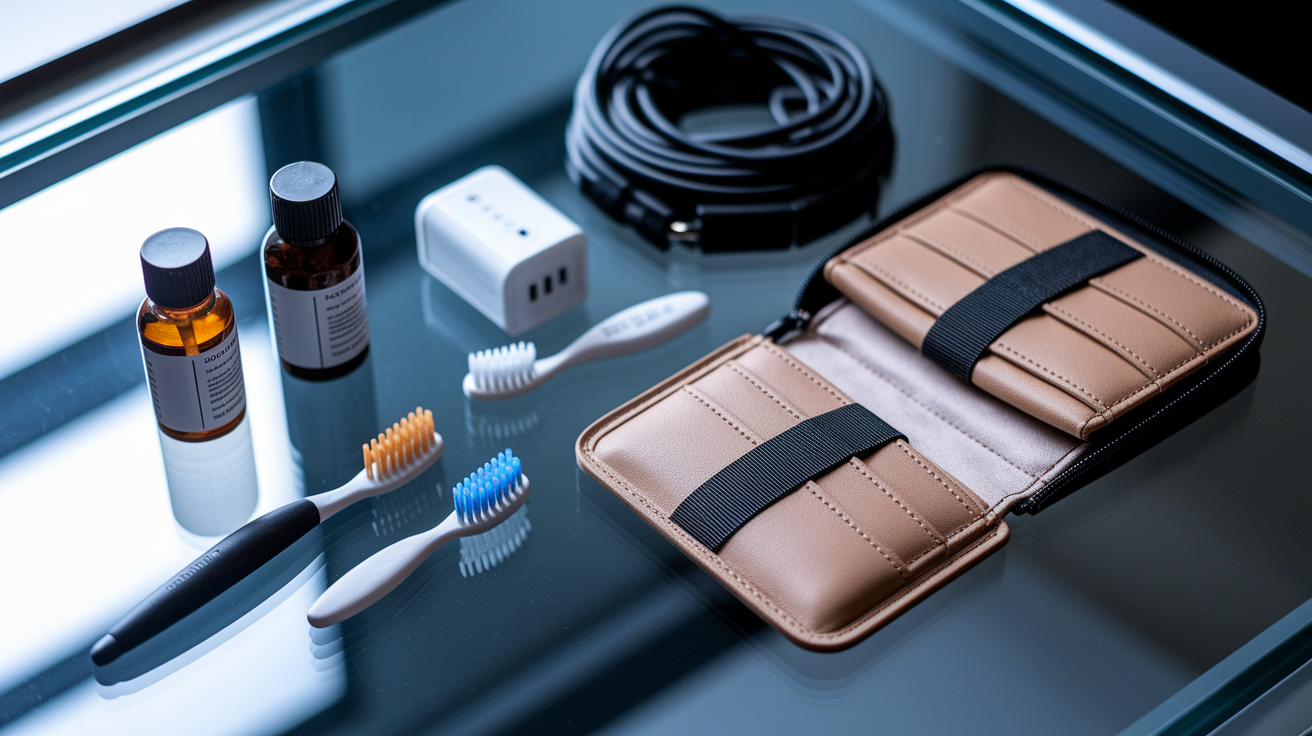
Keep a permanent toiletry kit that lives fully stocked between trips. Small bottles of shampoo, conditioner, body wash, lotion, sunscreen, deodorant stick, toothpaste. Plus a folding toothbrush, nail clippers, tweezers, bandages, pain relievers, daily medications. Use duplicate travel-size containers and refill them right after each trip so the kit’s always ready to grab. Replace the travel toothbrush every three months. Label each small liquid bottle with a permanent marker or small sticker. Pack all liquids in a single quart-size Ziploc to meet carry-on rules and speed airport security. If you’re staying in a city hotel, bring only the smallest sizes. Most urban hotels stock basic toiletries. You can buy forgotten items locally faster than you can repack an overstuffed dopp kit.
Electronics organization follows the same ready-to-go approach. One dedicated pouch holds charging cables for phone, tablet, watch. A universal travel adapter. Compact power bank. Spare memory cards or a small external drive. Wrap each cable with a Velcro strap or twist tie so they don’t tangle. Store the pouch in an easy-access luggage pocket so you can pull it out during overnight train rides, airport layovers, hotel check-ins without unpacking your main compartment. Consider leaving the laptop behind on short trips and relying on a smartphone plus cloud storage for essential work. One fewer charger, one less fragile item, several pounds saved.
Keep these six high-access items in a single slim wallet or document organizer:
- Passport and any required visas or entry permits
- Printed or digital copies of travel insurance and emergency contact numbers
- Credit cards and a small amount of local cash for immediate needs like a taxi or snack
- Prescription medications in original labeled bottles, plus a one-day backup in your personal item
- Hotel confirmation codes and transport tickets, either printed or saved offline on your phone
- House and car keys if you’ll need them right when you get home
Pack the purse or daypack you’ll use during your trip inside your main carry-on, nested in a thin cloth bag. This trick maxes out your airline’s allowed item count, simplifies transfers, and keeps your daily-use bag with you instead of checked or stowed overhead.
Luggage Choices and Weight Distribution for Itinerary Efficiency

Choose between a rolling carry-on and a backpack based on the surfaces you’ll navigate most. Rolling bags work great on smooth airport floors and hotel corridors but struggle on cobblestones, stairs, crowded train platforms where you can’t extend the handle. Backpacks distribute weight across your shoulders and keep hands free for tickets, passports, coffee. But they’re harder to access mid-journey without setting them down. For multi-stop itineraries mixing flights and trains, a maximum legal carry-on backpack with clamshell-style opening combines mobility with fast pack/unpack capability. Look for ballistic nylon construction that resists wear and weather.
Weight distribution affects comfort and your speed through security and boarding. Wear your heaviest shoes and jacket during transit to save luggage space and avoid gate-checking an overpacked bag. Place dense items like shoes and toiletry kits at the bottom of a rolling bag near the wheels, or close to your back in a backpack, to keep the center of gravity stable. Before you finalize packing, walk around your home with the fully loaded bag for five minutes. Lifting or slinging it once doesn’t show how it feels after a 10-minute platform sprint or a three-block walk from a metro stop to your hotel.
Keep these four things in quick-access exterior pockets or top-layer compartments:
- Travel documents and boarding passes for instant retrieval at check-in and security
- Refillable water bottle, collapsed or empty until past security, to stay hydrated without buying overpriced airport drinks
- Small snack like a protein bar or nuts to cover delays or missed meal windows
- Headphones and phone charger for entertainment and communication during unexpected wait times
Packing Timeline and Pre-Trip Habits That Support Itinerary Efficiency
Start laundry two to three days before departure so air-dry items have time to finish. You won’t be tempted to wear freshly cleaned clothes before packing them. This buffer also gives you a chance to spot stains, missing buttons, worn elastic that need repair or replacement before the trip. In the 48 hours before you leave, check the destination weather forecast at least twice and mentally rehearse outfit pairings during downtime (while commuting, cooking dinner, waiting in line). By the time you physically pack, you’ve already solved the outfit puzzle in your head. Packing becomes fast assembly instead of slow decision-making.
Two days out, verify that your toiletry kit’s fully stocked and your electronics pouch contains all necessary cables and adapters. Lay out your passport, tickets, any required medications in one designated spot so they’re visible and easy to grab. The night before departure, pull every intended item from closets and drawers and stage them in a single visible location: your bed, a cleared table, the floor. This staging step exposes duplicates, forgotten things, unnecessary bulk before anything goes into luggage. You can edit the pile down to true needs.
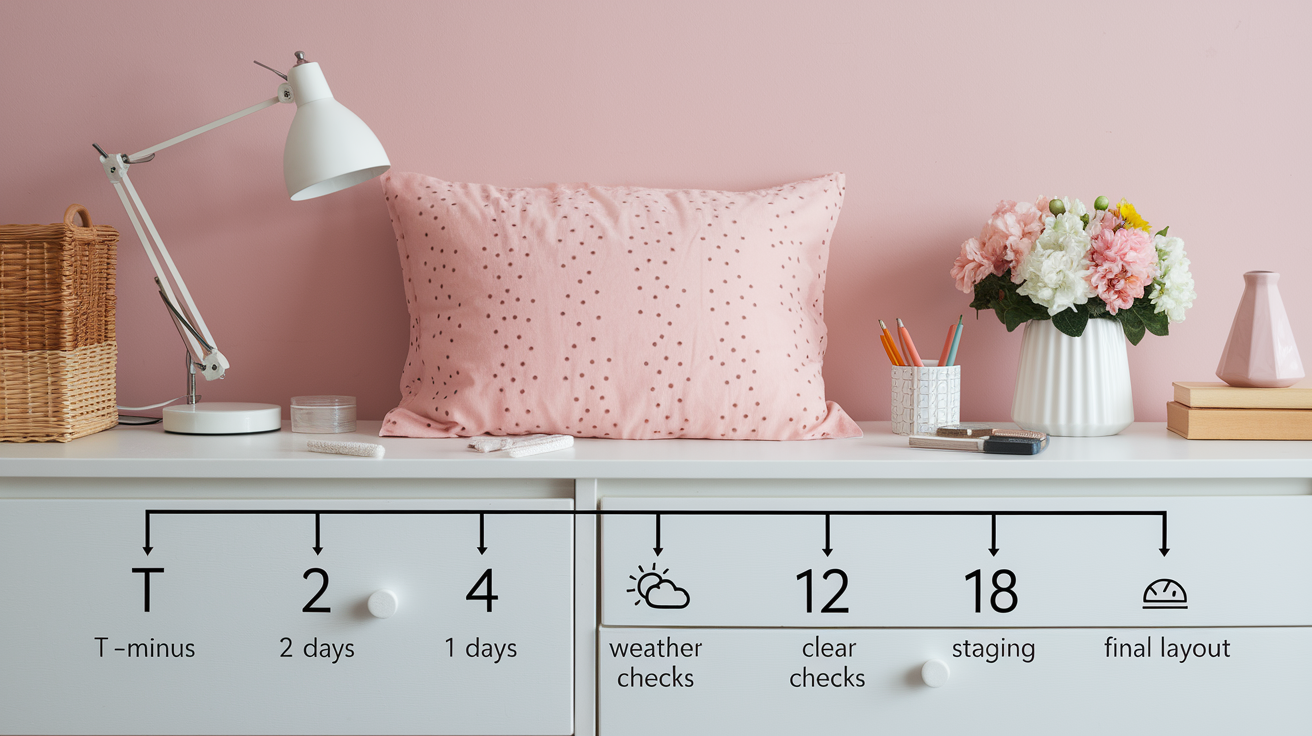
Follow this five-checkpoint timeline to cut stress and avoid last-minute repacking:
- T-minus 3 days: Complete all laundry and hang or fold items. Confirm your generic packing list matches the current itinerary and add trip-specific items like swim gear, formal wear, hiking layers.
- T-minus 2 days: Check toiletry kit for full bottles and fresh supplies. Charge power banks and test that all electronics work. Verify airline bag size and weight limits.
- T-minus 1 day (evening): Stage all clothing, shoes, accessories, documents, tech in one spot. Remove roughly half if the pile looks excessive. Lay out your travel-day outfit separately.
- T-minus 12 hours: Pack methodically using your chosen modular system. Snap a photo of the final layout. Place frequently needed items on top or in exterior pockets.
- T-minus 1 hour: Do a final sweep for keys, wallet, phone, chargers, medications. No-talking rule if others are around to keep focus and avoid leaving items behind.
Store luggage and all travel accessories together between trips, nesting smaller bags inside larger ones to save closet space. Keep your generic packing list (baseline checklist covering socks, underwear, pajamas, toiletries, chargers, documents) in a notes app or printed sheet that you update after every trip. Add items you wished you’d brought. Remove things you never used.
Family, Business, and Special-Use Packing Strategies for Complex Itineraries

Traveling with family or a group means dividing packing responsibilities to prevent bottlenecks and forgotten things. Assign one person to handle shared snacks and entertainment supplies, another to manage kids’ documents and medications, a third to pack common toiletries or first-aid items. Each traveler then packs their own clothing using the same modular cube system. Individual accountability stays clear. Morning departures speed up because no one’s waiting for someone else to finish digging through a shared suitcase.
Business travel demands a streamlined wardrobe that transitions from meetings to client dinners without mid-day hotel returns. Pack one or two interchangeable blazers, solid-color dress shirts or blouses, neutral slacks or a skirt. Single pair of polished, comfortable shoes. Keep a small steamer or wrinkle-release spray in your toiletry kit if your schedule includes back-to-back events. Simplify tech by consolidating chargers. Use a multi-port USB hub and a universal adapter instead of separate plugs for laptop, phone, tablet. Store business cards, a portable notebook, a pen in an exterior pocket for quick access during networking moments.
Photography-focused itineraries introduce tradeoffs between gear capability and mobility. If you normally shoot with a smartphone, leave the DSLR at home unless the trip’s primary purpose is photography. When you do bring a camera, pack it in a padded insert inside your main carry-on rather than adding a separate camera bag. Limit yourself to one or two lenses. Use a cross-body strap for quick shooting access and to keep hands free during transit. Skip other valuables. Expensive jewelry, unnecessary electronics, irreplaceable sentimental items. Lost or stolen gear creates stress that compounds itinerary delays.
Adjust your core packing strategy with these six scenario-based tweaks:
- Traveling with young children: Pack a small “emergency kit” in an exterior pocket with wipes, bandages, a change of clothes, a favorite toy to handle spills or meltdowns without unpacking the main bag.
- Multi-climate itineraries: Use separate labeled cubes for hot-weather and cold-weather wardrobes, rotating them to the top as your itinerary moves through different regions.
- Extended trips with laundry access: Reduce total clothing by one-third and plan to wash key items once or twice. Carry small Woolite packets and a collapsible sink stopper.
- Adventure or outdoor segments: Pack activity-specific gear (hiking boots, swimsuits, lightweight rain shell) in a dedicated cube that you can leave at a base hotel if the itinerary returns you to the same city.
- Formal events mid-trip: Roll or fold one formal outfit and a pair of dress shoes separately, placing them on top so they’re accessible without disturbing daily-wear modules.
- Health or mobility considerations: Comfort and accessibility first. Wider shoes, elastic-waist pants, a small folding seat cushion. Keep all medications and medical devices in a clearly labeled pouch in your personal item.
Systems for Continuous Improvement of Itinerary-Based Packing
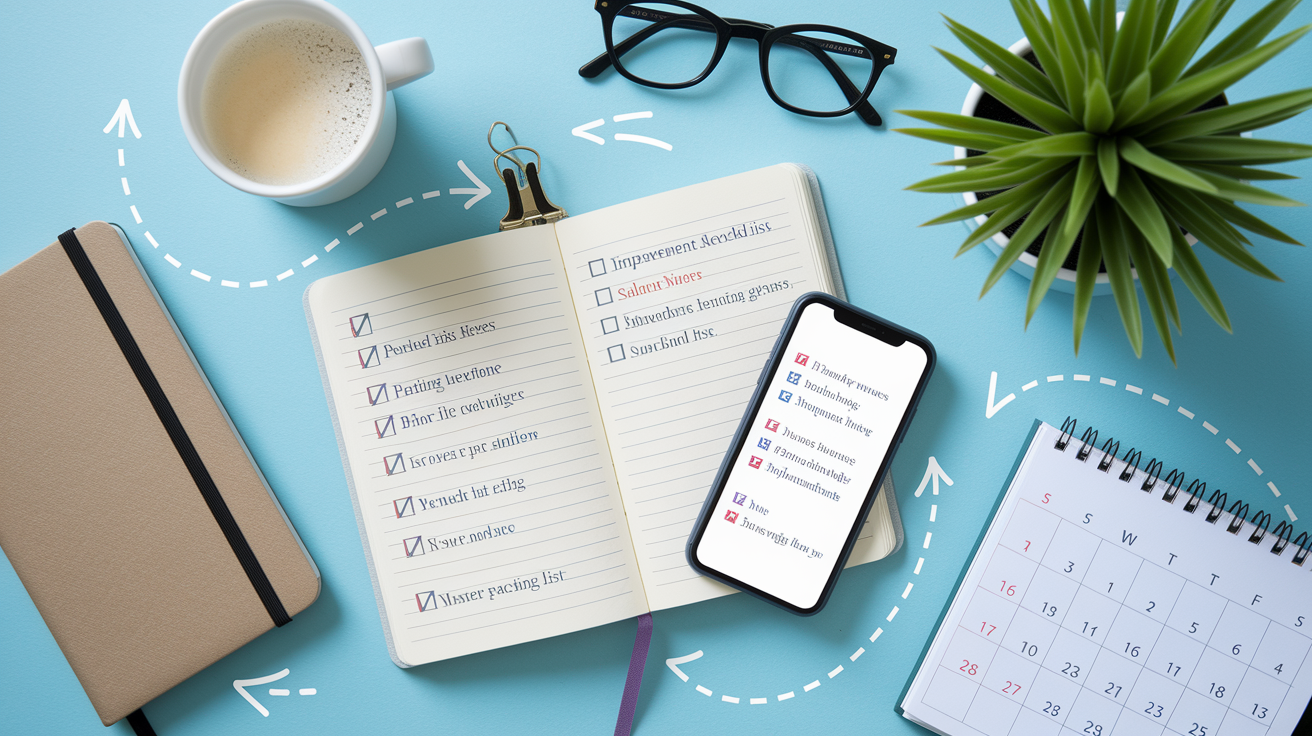
After each trip, spend 10 minutes reviewing what worked and what didn’t while the experience is fresh. Check the photo you took of your packed layout against what you actually used. Items that stayed folded or zipped for the entire journey are candidates for removal next time. Note any forgotten things or last-minute purchases on your generic packing list so the oversight doesn’t repeat. If a particular cube or pouch caused frustration because it was hard to access or poorly sized, swap it out before storing your luggage.
Update your master packing list right away. Add useful items you discovered on the road. Delete things that proved unnecessary. Refill toiletry bottles, replace worn clothing, recharge power banks so your kits are ready for the next departure. Store all travel-specific items (adapters, cubes, document wallets, toiletry kits) together in your luggage or a dedicated closet section. Pre-trip staging gets faster because everything lives in one predictable location.
Use these four actions to refine your system:
- Review layout photos to spot packing inefficiencies like wasted space, inaccessible items, modules you never opened.
- Update checklist and itinerary notes with lessons learned about timing, quantities, item utility for different trip types.
- Refine labeling and color-coding by testing new cube assignments or pouch categories and adopting changes that save time.
- Adjust storage and staging setup at home so your next packing session starts with fully stocked, organized modules instead of a scavenger hunt through closets and drawers.
Final Words
You now have an itinerary-first method: plan by day and activity, stage visually, then pack for fast access. That approach stops constant repacking between stops.
Core parts covered: capsule wardrobe rules, modular cube labeling, toiletries and electronics pouches, luggage weight tips, and a simple pre-trip timeline. The numbered steps and checklists make it repeatable.
Use this packing strategy to support efficient itineraries: pick outfits per day, layer for access, photograph layouts, and run the quick checklist the night before. It pays off—less stress, more time enjoying the trip.
FAQ
Q: What is the 3-3-3 rule for packing and for flights?
A: The 3-3-3 rule for packing is a short-trip guide: three tops, three bottoms, three underwear/essentials to avoid overpacking. For flights, 3-3-3 often describes a three-by-three economy seating layout.
Q: What is the 5 4 3 2 1 packing rule?
A: The 5-4-3-2-1 packing rule is a minimalist count: five tops, four bottoms, three shoes, two outer layers, one dressy outfit—covering casual, active, and formal needs with fewer items.
Q: What is the 3-5-7 rule in packing?
A: The 3-5-7 rule in packing recommends three bottoms, five tops, seven interchangeable pieces to create roughly seven mixed outfits, making a compact capsule wardrobe that suits a week of travel.