

Choosing the cheapest room is often the most expensive choice.
A low rate can hide parking fees, weak Wi‑Fi, long rides, and lost hours.
This post gives a practical five-step framework to weigh amenities against price so you pick the true bargain that saves money, time, and stress.
You’ll learn to set a spending floor and ceiling, list three non‑negotiables, calculate net cost including fees and amenity value, and choose the option that actually pays off for your trip.
Practical Framework for Balancing Amenities and Price
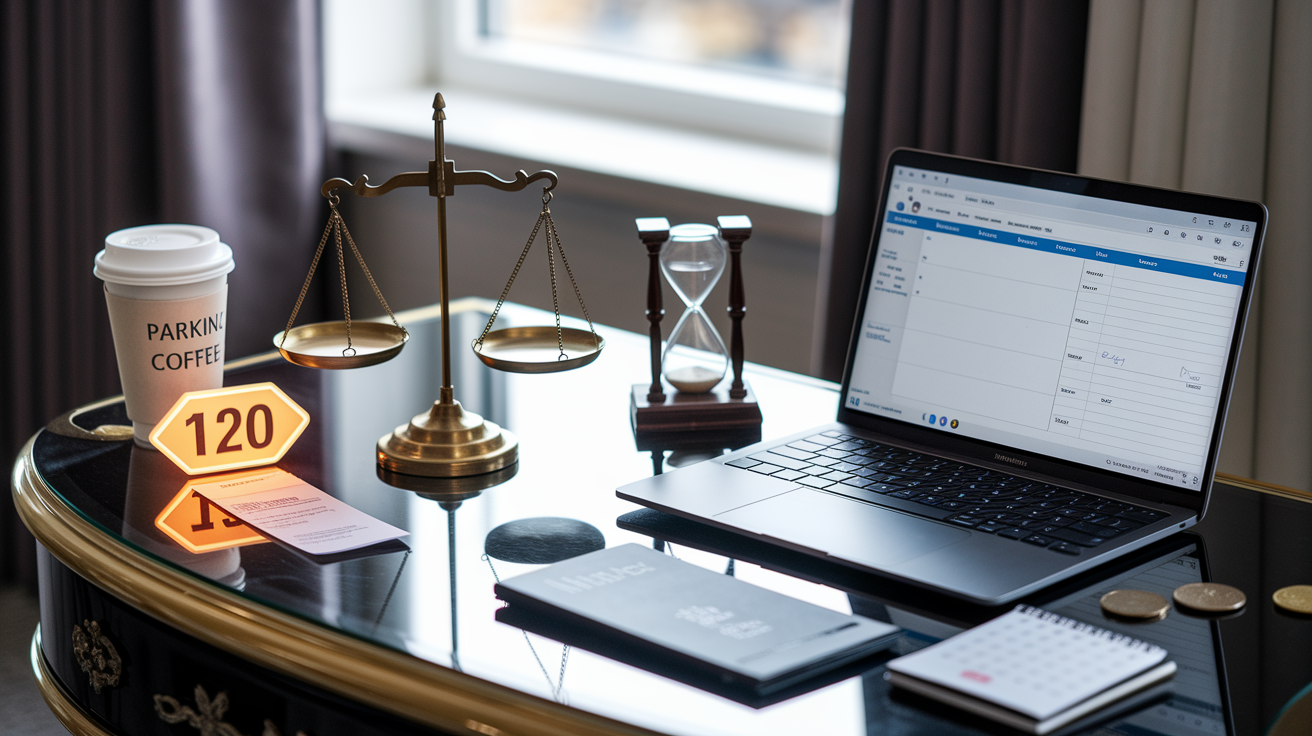
Value isn’t about the lowest nightly rate. It’s about total cost minus stress plus time saved. A $120 room with free parking and breakfast may cost less than a $90 room where you pay $25 to park and $40 for two coffees and eggs.
Before you compare properties, define what makes your trip run smoothly. Then build your budget around those anchors, not around advertised rates.
Set a ceiling and a floor. Your floor is the minimum you’ll pay to meet safety, cleanliness, and basic comfort standards. Your ceiling is the most you’ll spend without regretting money that could’ve gone to activities, meals, or extending the trip. Between those numbers, assign weight to each amenity based on how many hours per day it’ll affect you.
If you’ll work from the room four hours daily, reliable Wi‑Fi and a desk deserve serious decision weight. If you’re out sightseeing from breakfast until dinner, location and security matter more than a rooftop pool.
Here’s a five-step method to make the call:
- List your trip’s non-negotiables. The three amenities you will use every single day.
- Calculate the total out-the-door price for each property, including all fees and taxes.
- For each candidate, estimate the dollar value you’ll extract from included amenities during your stay.
- Subtract that value from the total price to find your net cost.
- Choose the property with the lowest net cost that meets all three non-negotiables.
Distinguishing Must‑Have vs Nice‑to‑Have Amenities

Must-haves keep you safe, rested, and functional. They prevent problems that would cost you more time or money to fix on the road.
Nice-to-haves add pleasure or convenience but won’t derail your trip if they’re missing. The difference matters because paying extra for a must-have is insurance. But paying extra for a nice-to-have is discretionary spending you should weigh against other uses for that cash.
Use this list to sort features before you search. Mark the items you genuinely need, then filter listings to show only properties that deliver those basics. Everything else becomes a tiebreaker or a luxury you accept only when the price difference is trivial.
Must-Have Amenities:
• Cleanliness and recent positive reviews confirming it
• Safe neighborhood and building security (key-card access, 24-hour staff, working locks)
• Comfortable bed and climate control that works
• Reliable, included Wi-Fi with sufficient speed for your work or streaming needs
• Accurate sleeping arrangements matching your party size
Nice-to-Have Amenities:
• On-site gym, pool, or spa facilities
• Complimentary breakfast or in-room minibar
• Rooftop bar, lounge, or curated design features
• Premium toiletries, bathrobes, or turndown service
• Valet parking, concierge, room service, or automated smart-room controls
Cost‑Benefit Scenarios for Real‑World Decisions
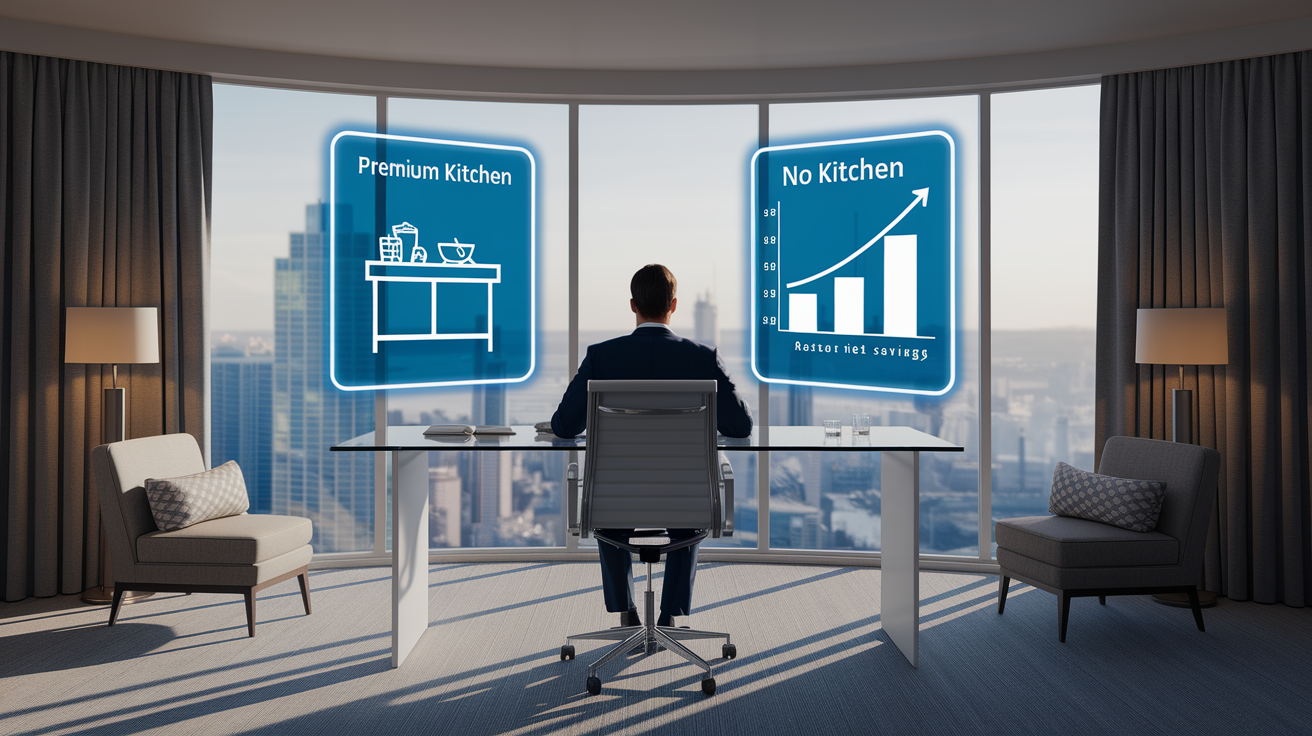
A kitchen that costs an extra $50 per night looks expensive until you count seven days of takeout.
If you’d spend $20 per person per meal eating out, a family of three racks up $420 in restaurant costs over a week. Paying $350 more for the kitchen saves $70 and buys back hours you’d lose hunting for restaurants, waiting for tables, and dealing with picky eaters. Run the math for every premium amenity before you dismiss it or chase it.
Parking fees stack fast in cities. A property charging $30 per night to park looks pricey compared to one with free parking, but if the free-parking hotel sits two miles from your meeting and forces a 20-minute Uber each way, you’ll spend $40 daily on rides plus lose 40 minutes.
The $30 parking suddenly becomes the cheaper, faster choice. Location and included services often pay for themselves in saved transport and time.
Longer stays flip the cost equation. Paying $40 extra per night for in-unit laundry on a 10-day trip adds $400 to your bill, but outsourcing laundry twice will cost $80–$150 and eat half a day finding a laundromat, waiting, folding, and returning. On a three-night trip, skip the laundry amenity and pack enough clothes. It won’t matter.
| Scenario | Amenities Included | Price Difference | When It Makes Sense |
|---|---|---|---|
| 7-night family vacation | Full kitchen, free parking, laundry | +$50/night ($350 total) | Saves $400–$700 in meals and laundry; pays back on day 5 |
| 3-night business trip | Central location, high-speed Wi‑Fi, workspace | +$60/night ($180 total) | Saves 90 min/day commuting; prevents missed meetings |
| 2-night city break | Rooftop pool, spa access, premium breakfast | +$80/night ($160 total) | Worth it only if you’ll use pool and spa both days; skip if sightseeing all day |
| 30-night remote work stay | Monthly discount, kitchen, laundry, desk | –$15/night (–$450 total) | Always choose; cooking and laundry save $900+; workspace critical |
Tailoring Priorities to Different Traveler Types

Business travelers lose money when location or connectivity fails.
If a cheaper property sits 25 minutes from your client’s office and the pricier one is a five-minute walk, the expensive room is the bargain. Missed appointments, late arrivals, and mobile-hotspot workarounds cost more than nightly rate differences.
Prioritize guaranteed high-speed Wi‑Fi, a real desk, early check-in flexibility, and proximity to your meeting sites. Everything else is secondary.
Families need space, safety, and the ability to handle meltdowns without leaving the building. A kitchenette lets you feed picky eaters at odd hours, in-unit laundry means you pack half as much, and a separate bedroom or suite keeps one parent functional after the kids crash.
Pay more for square footage and kid-friendly features. You’ll recover the cost in sanity, grocery savings, and fewer restaurant battles. Location matters less if you’re driving everywhere, so a slightly suburban property with a pool and breakfast often beats a cramped downtown room.
Couples and leisure travelers can afford to optimize around experience. If you’ll be out from 9 a.m. to 10 p.m. sightseeing, eating, and exploring, the room is just a place to sleep and shower.
Spend less on the room and more on location. Pick a safe, walkable neighborhood close to attractions. A small room with a great location beats a spacious suite in a district that requires 40 minutes of transit each way. Skip the gym, the pool, and the minibar unless you genuinely plan to use them.
Solo and budget travelers should strip the amenity list to must-haves, then rank by price. You don’t need breakfast if street cafés cost half as much. You don’t need parking if you’re using public transit. You don’t need a fitness center if the city has free outdoor options.
Look for hostels, budget chains, or older independents with high safety and cleanliness scores but no frills. Use the savings to extend your trip or upgrade one memorable meal.
Money‑Saving Tactics Without Sacrificing Key Amenities

Timing beats negotiation. Midweek bookings in business districts cost 20–40 percent less than weekends, and weekends in beach towns are cheaper than weekdays.
Off‑peak seasons deliver the same room for half the summer rate, and properties often throw in free breakfast or parking to fill inventory. If your dates are flexible by even two days, search both options and pocket the difference.
Free cancellation policies let you book now and monitor for price drops. Reserve a refundable rate, set a calendar reminder one week before arrival, and search again. If the price fell, cancel and rebook. If a better property opened up at the same price, switch. This tactic works best 30–90 days out when pricing still fluctuates.
Eight ways to cut cost without losing essentials:
• Book directly with the property and ask if they’ll match or beat third-party rates. Many will waive resort fees or include breakfast to avoid commission.
• Search properties 10–15 minutes outside the city center. You’ll save 25–50 percent and spend $10 daily on transport instead of $80 on lodging.
• Use loyalty programs even at budget chains. Free night certificates and room upgrades come faster than you expect.
• Filter for “breakfast included” and calculate the per-person daily savings. Often $15–$25 per guest, which adds up over a week.
• Skip the view upgrade unless you’ll spend real time in the room enjoying it. Most travelers see the view for 20 minutes before bed.
• Negotiate weekly or monthly discounts for stays of seven nights or longer. Ask directly via phone or email before booking online.
• Choose properties with free airport shuttles if you’re flying in. $60 each way in ride‑shares justifies a slightly pricier hotel with free pickup.
• Read reviews to confirm advertised amenities actually work. A “free Wi‑Fi” room with one‑bar signal isn’t free, it’s broken, and you’ll pay for mobile data or a coffee‑shop office.
Final Words
Pick your budget, list must-haves, and use the five-step decision method to balance cost and perks. The post gave a clear framework, a way to separate essentials from nice-to-haves, real cost examples, traveler-specific tweaks, and money-saving tactics you can use right away.
When you book, score amenities against your budget, watch for add-on price jumps, and run the quick checklist before checkout.
Practice how to prioritize amenities vs price when booking accommodation, and you’ll book smarter and travel with less stress.
FAQ
Q: What are the 5 P’s of hotel management?
A: The 5 P’s of hotel management are Product (rooms and services), Price (rate strategy), Place (location and distribution), Promotion (marketing), and People (staff and service). They guide revenue and guest experience.
Q: What is your most clever hotel room hack?
A: The most clever hotel room hack is using a compact multiport USB charger and a short extension cord to create a bedside charging hub when outlets are scarce.
Q: How to upsell hotel amenities and packages?
A: To upsell amenities and packages, train staff to suggest clear bundles at booking and check-in, highlight concrete benefits and prices, offer limited-time discounts, and use guest data for targeted recommendations.
Q: What is the difference between amenities and accommodation?
A: The difference between amenities and accommodation is that accommodation means the lodging (room, suite, or unit), while amenities are added features or services like Wi-Fi, breakfast, pool, or parking.