

Think cotton is fine for tropical trips? Think again.
Cotton soaks, smells, and takes forever to dry in humid air.
This packing list gives the essentials – quick-dry fabrics, sun and insect protection, water gear, shoes, and small hacks – to keep you cool, dry, and comfortable.
Follow simple rules: one week of clothes and plan to do laundry, choose merino wool (odor-resistant) or linen tops, pack reef-safe sunscreen and a wide-brim hat, bring a waterproof pouch and a mesh tote, and carry a tiny clothesline to speed drying.
Pack smarter, not heavier.
Complete Clothing Essentials for a Tropical Vacation Packing List
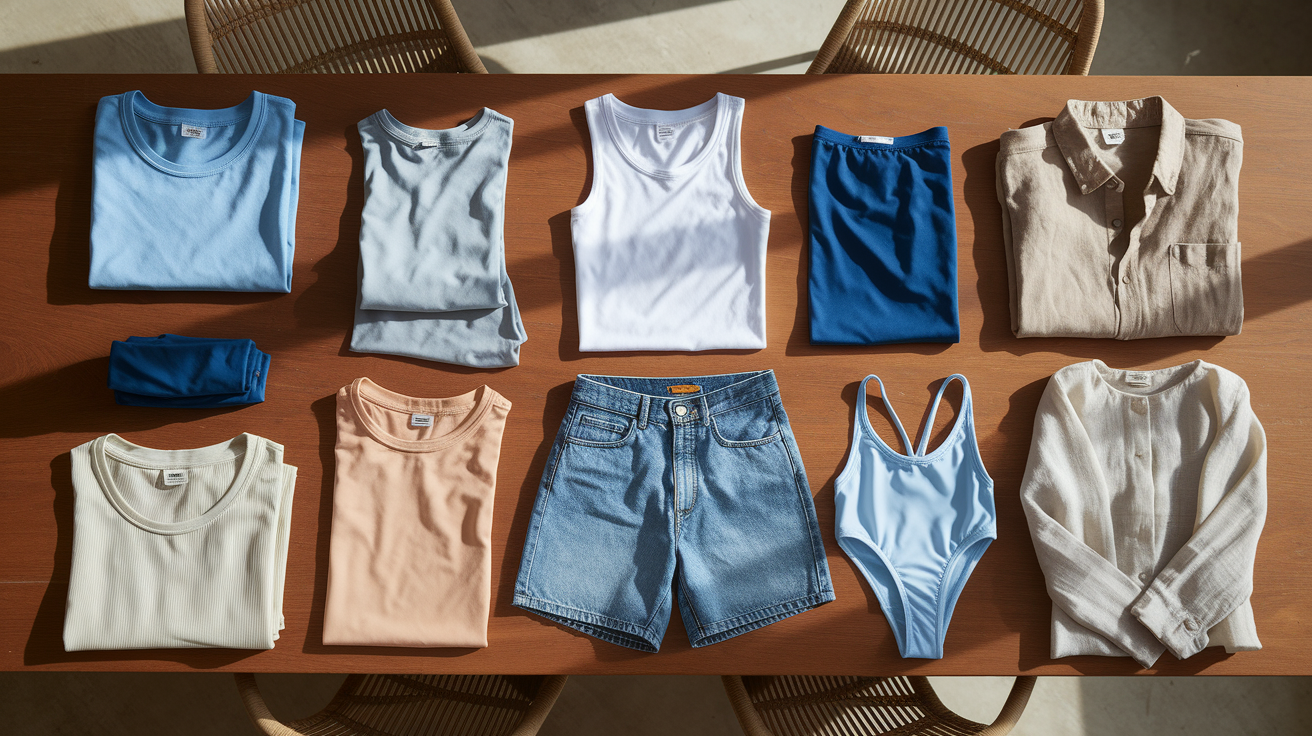
Pack light. Choose fabrics that dry fast and don’t trap sweat. In hot, humid climates, moisture-wicking fabrics like merino wool, linen, and polyester blends keep you cooler and prevent that damp, heavy feeling cotton leaves behind. Cotton feels comfortable at first, sure. But it holds moisture, develops odors quickly, and takes forever to dry in humid air. Quick-dry fabrics also lower your mildew risk when clothes sit damp in your luggage or hang in a steamy hotel bathroom.
Your core tropical wardrobe should include breathable tops made from linen or merino wool, 4 to 6 pairs of moisture-wicking underwear, a couple of rayon dresses that pack small, quick-dry shorts for hiking or water activities, and a pair of jean shorts if you want something more structured. Add a couple of secure-fit swimsuits (avoid string styles that shift in waves), a lightweight long-sleeve layer like a denim button-down or rash guard for sun protection, and a linen button-down for casual dinners. If you’re packing for evening outings, bring one packable rayon or jersey dress that won’t wrinkle.
Merino wool or moisture-wicking tops dry fast, resist odors, stay cool
4 to 6 pairs of moisture-wicking underwear rotate through the week and wash in the shower
A couple of rayon dresses packable, breathable, work for lunch or dinner
Quick-dry shorts double as swim cover or hiking gear
1 pair of jean shorts adds structure, slower to dry but versatile
Secure-fit swimsuits athletic or snorkel-ready styles hold up in waves
1 lightweight long-sleeve layer rash guard or button-down for sun coverage
1 linen button-down breathable, settles wrinkles in humid air
1 packable evening layer rayon jumpsuit or jersey dress for resort dinners
Stick to one week’s worth of clothing and plan to do laundry. Bringing 10 tops for a two-week trip just adds weight and stress.
Sun Protection Essentials for Tropical Climates
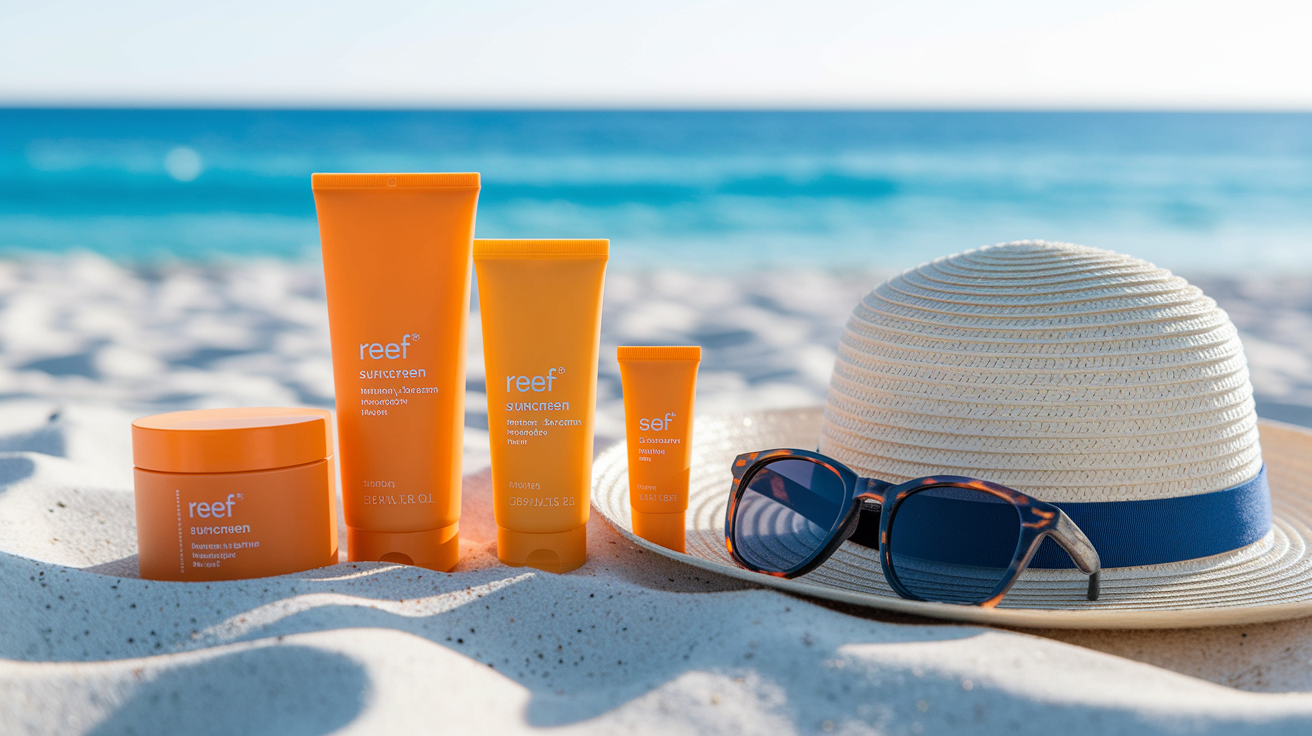
Reef-safe sunscreen skips chemicals like oxybenzone, avobenzone, octinoxate, octocrylene, parabens, silicones, and SLS/SLES that harm coral and marine life. Look for mineral-based formulas with zinc oxide or titanium dioxide, and choose packaging made from metal tins, cardboard, or sugarcane-based biopackaging instead of plastic. Near the equator, UV intensity can burn you even on overcast days. So sunscreen isn’t optional. Bring your own from home, because resort shops and port vendors often charge three times the price.
Polarized sunglasses cut glare on water and reduce eye strain, which also helps prevent squinting and the fine lines that come with it. Choose a quality pair with built-in UV protection instead of cheap sunglasses from big-box stores, which often lack true UV blocking. A broad-brim sun hat protects your face, neck, and shoulders. A second hat with a chin strap (baseball or bucket style) keeps your hat secure on windy boat rides or sailing trips.
Reef-safe sunscreen mineral-based, chemical-free, eco-friendly packaging
Polarized UV-blocking sunglasses reduce glare, protect eyes, prevent wrinkles
Broad-brim sun hat covers face, neck, and shoulders
Baseball or bucket hat with chin strap secures hat in wind, useful on boats
SPF lip balm protects lips from cracking in intense sun and salt air
Insect Protection and Bite-Prevention Items for Humid Destinations

High humidity means more mosquitoes. Tropical climates often bring sand flies, no-see-ums, and other biting insects that love dusk and dawn. Pack a reef-safe, skin-safe insect repellent with DEET or picaridin, and consider mosquito-repellent clothing treated with permethrin for long hikes or jungle excursions. If you’re staying in open-air lodgings or eco-resorts without screens, a portable mosquito net adds a layer of protection while you sleep.
Antihistamine creams or after-bite treatments reduce itching and swelling fast, which matters when you’re sweating and dealing with sticky tropical heat. Apply repellent to exposed skin before heading out in the morning or at sunset, and reapply after swimming or heavy sweating. If you’re prone to reactions, bring a small tube of hydrocortisone cream to calm inflamed bites before they get worse.
Footwear Choices That Work in Hot and Humid Tropical Weather

Breathable mesh sneakers keep your feet cooler than solid fabric shoes and dry faster after getting wet, which helps on hikes or long walking days. Waterproof sandals with supportive soles work for beach, pool, and casual resort wear, but check for odor-control materials because some sandals retain smells in humidity. Closed-toe water shoes protect your feet on rocky shorelines, lava rock beaches, or slippery boat decks where flip-flops won’t cut it.
For evening dinners or easy slip-on wear, bring one pair of lightweight flat sandals. Heels add weight, take up space, and aren’t practical for uneven resort paths or cobblestone streets. If you’re doing serious hiking or excursions, go for supportive trekking sandals with adjustable straps over flimsy sport sandals that lose shape in wet conditions.
Breathable mesh sneakers for hikes, volcano trails, long walks
Waterproof trekking sandals supportive, fast-drying, odor-resistant
Closed-toe water shoes protect feet on rocks, boat decks, shorelines
Lightweight flat sandals easy slip-on option for dinners and casual evenings
Toiletries and Personal Care Essentials for Humidity

Humidity makes you sweat more, so bring a strong antiperspirant and reapply liberally after showers or midday. Anti-chafe balm like Body Glide prevents irritation on long hikes, especially in areas where skin rubs together under damp clothes. If you’re planning a steep hike or full-day excursion, apply chafe prevention before you leave the hotel.
Pack a small first-aid kit with basics like adhesive bandages, pain relievers, antihistamine tablets, and antifungal foot powder to manage moisture between your toes. Hand sanitizer is useful when clean water isn’t nearby, and a small bottle of aloe gel soothes sunburn or minor scrapes. Choose travel-size, reef-safe toiletries whenever possible to reduce plastic waste and meet carry-on liquid limits.
Don’t forget deodorant, but know that some formulas break down in heat and humidity. Test yours before the trip or bring a backup option.
Strong antiperspirant reapply after showers and swimming
Anti-chafe balm (Body Glide) prevents irritation on long hikes
Antifungal foot powder controls moisture between toes
Travel first-aid kit bandages, pain relievers, antihistamines
Hand sanitizer for times when soap and water aren’t available
Aloe gel soothes sunburn and minor skin irritation
Tropical Swim and Water Gear for Hot, Humid Climates
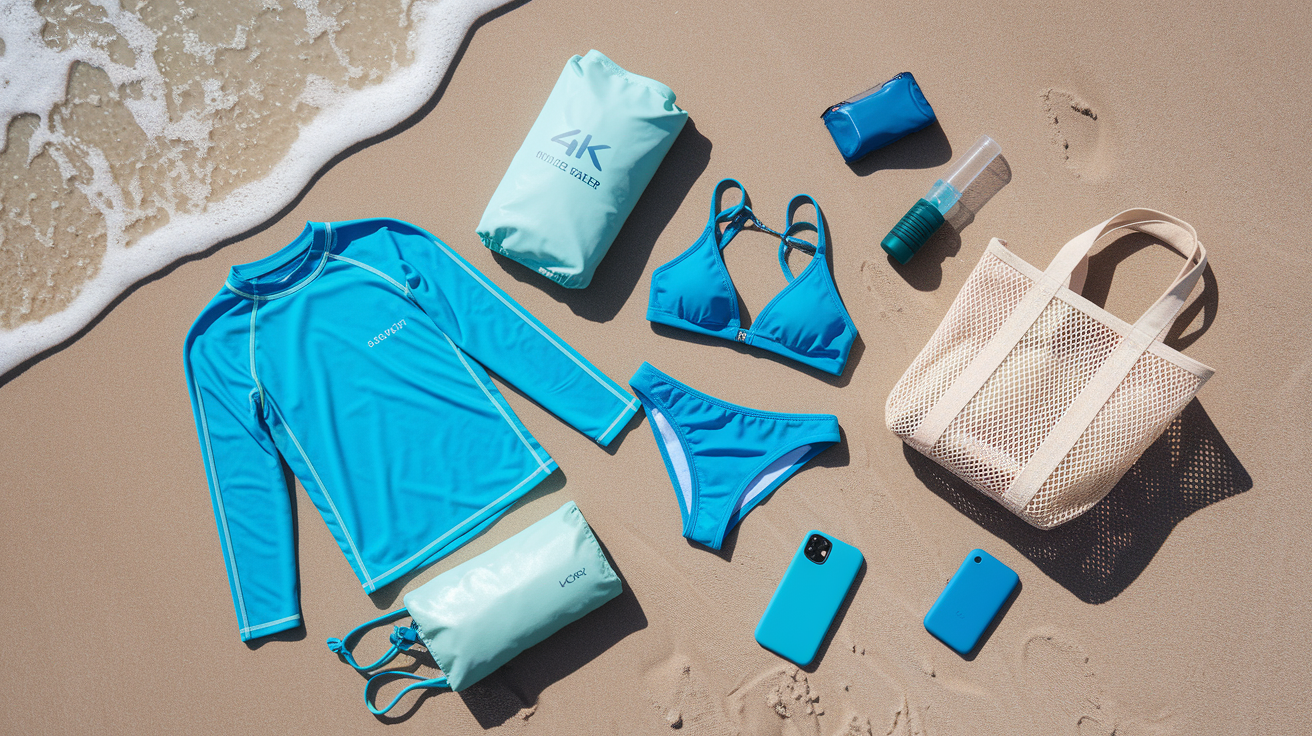
Secure-fit bikini tops and bottoms hold up better in waves than string styles that shift or come undone in the ocean. A rash guard or long-sleeve swim shirt protects your shoulders and back from sun exposure and prevents scrapes when snorkeling near coral or rocks. Turkish-cotton quick-dry towels pack smaller than standard beach towels, dry faster, and reduce the mildew smell that develops when wet fabric sits in a bag.
Waterproof pouches keep your phone, cash, and hotel key safe from water and sand. A waterproof phone case lets you take underwater photos without worrying about damage. A mesh tote allows sand to fall through the bottom and helps your gear dry quickly instead of trapping moisture inside a closed bag.
| Item | Purpose | Why It Helps in Humidity |
|---|---|---|
| Rash guard or swim shirt | Sun and abrasion protection | Dries fast, reduces need for sunscreen reapplication |
| Secure-fit swimwear | Stays in place in waves | Athletic styles resist shifting, quick-dry fabrics prevent mildew |
| Quick-dry towel (Turkish cotton) | Compact beach or pool towel | Dries faster than standard towels, resists mildew smell |
| Waterproof pouch | Protects phone, cash, keys | Blocks water and sand, prevents humidity damage to electronics |
| Mesh tote | Beach or pool bag | Sand drains through, items dry quickly, no trapped moisture |
Gear, Electronics, and Hydration Tools for the Tropics
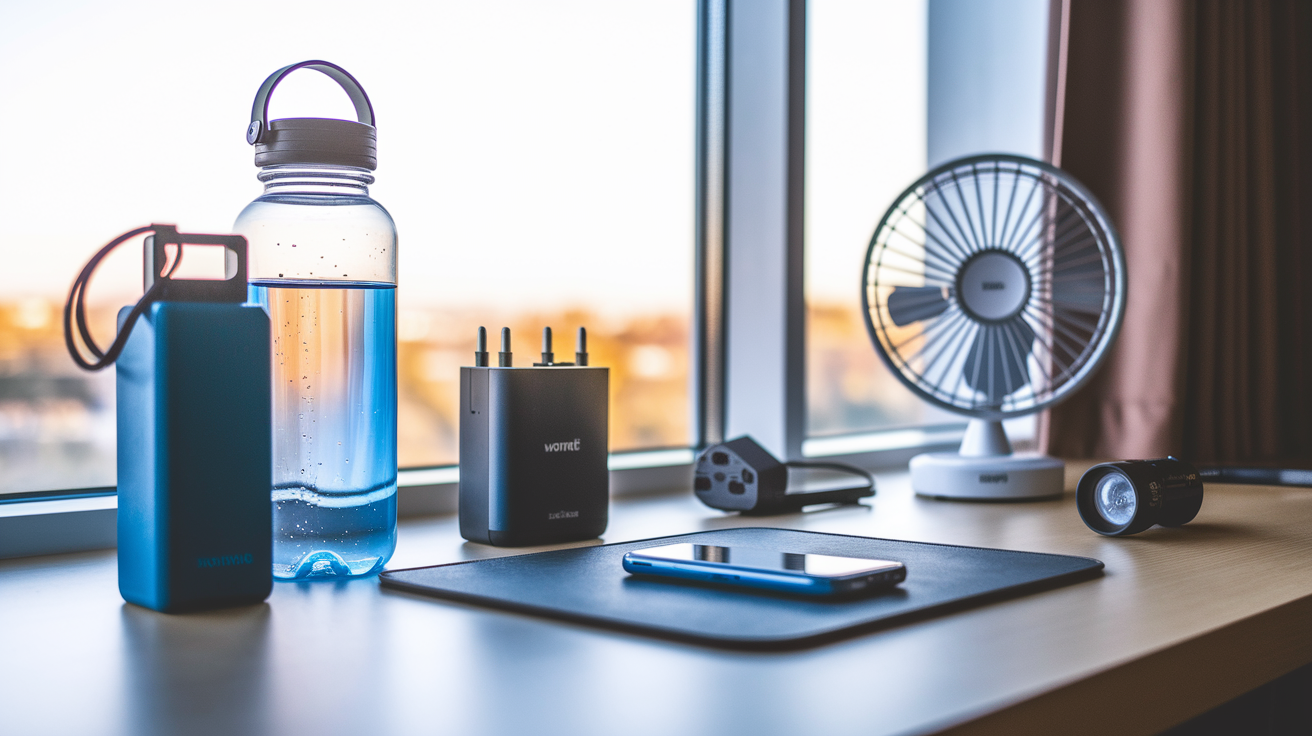
An insulated water bottle keeps drinks cold in high heat, and a bottle with a built-in filter lets you refill from taps or fountains without worrying about water quality. A battery power bank keeps your phone charged during long excursion days when outlets are scarce. A universal travel adapter makes sure your devices work in international destinations. Pack a waterproof phone case if you’re planning water activities, because it protects your phone from sand, saltwater, and accidental drops.
A pocket-sized rechargeable USB fan can run on high all night after a daytime charge. It helps in stuffy hotel rooms where the AC is poorly positioned or nonexistent. Choose a fan about the size of a Kindle that clips to a bed frame or sits on a nightstand. It won’t cool the whole room, but it moves air enough to make sleep more comfortable in sticky heat.
Bring a small portable clothesline or a few binder clips to hang wet clothes in your room, because humid air slows drying and you’ll need airflow to avoid mildew. A compact LED headlamp is useful for early-morning hikes or navigating unlit beach paths at night.
Insulated water bottle with filter keeps drinks cold, allows safe refills
Battery power bank charges phone during long days out
Universal travel adapter works in multiple countries
Portable USB fan moves air in stuffy rooms, runs all night
Waterproof phone case protects from sand, water, enables underwater photos
Compact LED headlamp useful for early hikes and dark beach paths
Laundry, Odor Control, and Humidity Management While Traveling

Pack one week’s worth of clothing and plan to wash items in your hotel sink using detergent sheets or laundry soap strips. Hang garments in a well-ventilated spot with good airflow, ideally near an open window or under a ceiling fan. Humid air slows drying and damp clothes can develop mildew overnight. Quick-dry fabrics like merino wool, polyester blends, and rayon dry faster than cotton and resist the musty smell that comes from sitting wet.
Wash underwear during your evening shower and hang it immediately so you always have a dry rotation ready. Use a portable clothesline or binder clips to secure items to a shower rod, chair back, or curtain rail. If your lodging has laundry service or a nearby laundromat, use it for heavier items like jeans or button-downs that take longer to dry.
Avoid leaving damp swimsuits or towels in closed bags or drawers. Air them out as soon as possible to prevent mold and odor buildup.
Wash in small batches rotate underwear and quick-dry tops every few days
Use detergent sheets lightweight, easy to pack, effective in sink laundry
Hang items in airflow near fans, open windows, or breezy balconies
Avoid closed storage air out damp items immediately to prevent mildew
Packing Techniques and Space-Saving Tips for Tropical Vacations

Multi-use garments like rayon dresses or quick-dry shorts reduce the number of items you need to bring. Packing cubes keep your bag organized while preventing humidity from spreading between clean and damp items. A small bottle of wrinkle-release spray refreshes garments that wrinkle in transit, though linen and rayon often settle on their own in humid air. Roll soft fabrics to save space and fold structured items like button-downs to avoid deep creases.
Compression packing bags can reduce bulk, but avoid sealing damp items inside because trapped moisture can turn into mildew. Waterproof dry bags are useful for keeping wet swimsuits or towels separate from the rest of your luggage until you can air them out.
If you’re aiming for carry-on only, follow this sequence:
Choose one week’s worth of clothing. Plan to do laundry or reuse versatile pieces.
Pack quick-dry, lightweight fabrics. Merino wool, rayon, polyester blends.
Use packing cubes to separate clean and worn items. Prevents odor transfer.
Reserve space for a waterproof dry bag. Isolates damp swimsuits and towels from dry clothes.
Final Words
You’ve got the essentials—breathable fabrics, quick-dry swimwear, reef-safe sunscreen, insect protection, and smart shoes. Pack light, choose moisture-wicking fabrics, and plan a one-week clothing rotation with a lightweight layer.
Quick rule: pick multi-use pieces, bring 1–2 swimsuits, 1 lightweight long sleeve, and 4–6 moisture-wicking underwear. Do a trial pack so you know the fit and weight before you leave.
Treat this as your packing list for hot and humid tropical vacations checklist, and enjoy the trip cool, dry, and ready.
FAQ
Q: What fabrics work best for hot, humid tropical vacations?
A: The best fabrics for hot, humid tropical vacations are breathable, quick‑dry materials like linen, rayon, merino wool, and polyester/nylon blends; cotton is comfy but holds moisture and odor, so use sparingly.
Q: How much clothing should I pack for a tropical trip?
A: You should pack 1–2 rayon dresses, 1–2 quick‑dry shorts, 1 pair of jean shorts, 4–6 moisture‑wicking underwear, 1 lightweight long‑sleeve layer, and 1–2 secure‑fit swimsuits.
Q: What sun protection essentials do I need for the tropics?
A: Sun protection essentials for tropical climates include high‑SPF, reef‑safe sunscreen, a wide‑brim hat (with chin strap for boats), polarized sunglasses, and SPF lip balm; reapply often, even on cloudy days.
Q: What is the difference between regular and reef‑safe sunscreen?
A: The difference between regular and reef‑safe sunscreen is reef‑safe avoids chemicals like oxybenzone, octinoxate, octocrylene, parabens, silicones, and SLS/SLES; choose broad‑spectrum, water‑resistant formulas and check labels.
Q: How can I prevent insect bites in humid tropical areas?
A: To prevent insect bites in humid tropical areas use topical repellents, wear permethrin‑treated or long clothing, sleep under a portable mosquito net when needed, and carry antihistamine or after‑bite cream.
Q: What footwear should I bring for hot and humid tropical weather?
A: The footwear to bring includes breathable mesh sneakers for walking, waterproof sandals for beach and pool, closed‑toe water shoes for rocky shorelines, and a lightweight evening sandal; limit to two shoe pairs if possible.
Q: Which toiletries and personal care items are best for humidity?
A: The toiletries best for humidity are antiperspirant (reapply as needed), anti‑chafe balm, antifungal foot powder, reef‑safe sunscreen, travel‑size hand sanitizer, and quick‑dry detergent sheets for sink washing.
Q: What swim and water gear should I pack for tropical water activities?
A: The swim and water gear to pack are secure‑fit swimwear, a rash guard for sun and abrasion protection, a quick‑dry towel, a waterproof pouch for valuables, and a mesh tote that drains sand.
Q: What gear and electronics help with hydration and comfort in the tropics?
A: Gear and electronics that help include an insulated reusable water bottle (filter if needed), a power bank, a universal travel adapter, a USB rechargeable pocket fan, and a waterproof phone case.
Q: How do I prevent mildew and manage laundry while traveling in humidity?
A: To prevent mildew and manage laundry, use a one‑week clothing rotation, wash items with detergent sheets in sinks, choose quick‑dry fabrics, hang on a portable clothesline in ventilated spots, and fully dry before packing.
Q: How do I pack carry‑on only for a tropical trip?
A: To pack carry‑on only for a tropical trip pick versatile, quick‑dry garments, limit shoes to two pairs, use packing cubes, plan a mid‑trip laundry stop, and bring travel‑size toiletries.