

Most travelers pick museums but ignore the math, and pay for it.
You can get a reliable 7-day city budget in under ten minutes with a few simple rules.
This post uses easy percentage splits and daily tiers so you can estimate lodging, meals, transport, activities, and extras without a spreadsheet.
Read on for clear rules of thumb, quick formulas, and ready-to-use daily cost ranges you’ll adjust to any city.
No spreadsheet required.
Core Budgeting Rules of Thumb for a 7‑Day City Trip

Most people spend more time researching which museum to visit than figuring out how much the entire trip will cost. You can get a ballpark number in under ten minutes with a few quick allocation rules. No spreadsheet required.
Start with percentage splits that have worked for thousands of city trips. Lodging typically eats 30–50% of your total budget, with 40% being a solid middle estimate. Meals take another 15–25%. Local transport runs 5–15%. Activities and tickets claim 10–20%. Miscellaneous items like tips, toiletries, and snacks fill out 5–10%. Once you’ve got those category totals, add a 10–20% contingency buffer on top. 15% is the default that covers most surprise expenses without forcing you to overbudget. The quick formula: 7‑day total ≈ 7 × (L+M+T+A+X) × (1+contingency%), where L is your nightly lodging, M is meals per day, T is daily transport, A is activities, and X is miscellaneous.
These rules work anywhere because you adjust the daily numbers to match the city, not the percentages. Tokyo hotels run twice what you’d pay in Bangkok? Double L and scale the rest accordingly. The structure stays the same, the amounts flex.
Five calculation ready rules to start your budget:
- Allocate 40% to lodging, 20% to meals, 10% to transport, 15% to activities, 10% to miscellaneous, and 5% buffer within categories.
- Reference daily tiers: Budget ($30–$100/day), Mid‑range ($120–$320/day), Luxury ($350+/day).
- Apply 15% contingency on top of your subtotal for unplanned costs.
- Round your final number up to the nearest $50 or $100 to add breathing room.
- Set aside a $100–$300 absolute emergency buffer separate from your trip budget.
Estimating Lodging Costs for a Week‑Long City Trip

Lodging anchors your budget. It’s the biggest single line item, usually between 30% and 50% of everything you’ll spend. If you nail this estimate, the rest of the budget falls into place faster. Use a nightly rate and multiply by seven, then check if you’re in a cheap city, a typical one, or an expensive hub.
Daily lodging benchmarks give you a starting point. Budget travelers can find beds for around $40 per night. Hostels or simple guesthouses in less central neighborhoods. Mid‑range hotels or well located apartments run about $120 per night. Luxury stays, boutique hotels or full service properties in prime districts, start at $350 per night and climb from there. Multiply your chosen rate by seven nights, and you have your lodging subtotal before applying any city specific adjustments.
Lodging type comparison:
Hotels: Consistent service, included breakfast common, higher nightly rate in city centers.
Hostels: Lowest per night cost, dormitory format, less privacy but more social interaction.
Short term apartments: Mid‑range pricing, kitchen access cuts meal costs, better for groups.
Airbnb / home share: Variable quality, can negotiate multi night discounts, neighborhood rates often lower than hotels.
Destination multipliers scale your estimate. Cheap Southeast Asian or Eastern European cities often run 0.6–0.8 times the baseline. A typical midsize European or U.S. city sits at 1.0. Expensive global capitals like New York, London, or Tokyo require a 1.3–2.0 multiplier. If average hotel prices are 50% higher than your reference city, apply that same factor to lodging and expect meal and transport costs to follow a similar pattern.
Food and Meal Budget Rules for a 7‑Day Itinerary

Meals usually claim 15–25% of your trip budget. That range covers everything from coffee and pastries to sit down dinners. The trick is deciding how many restaurant meals you actually need versus how many you can replace with cheaper options that still feel like travel, not deprivation.
Budget travelers can hold meals to about $25 per day by eating street food, buying fresh fruit and yogurt from markets, and limiting restaurant visits to one meal. Mid‑range spending lands around $60 per day, enough for casual lunches and a nicer dinner most nights. Luxury eaters allocate $150 per day or more, which buys multi course dinners, specialty coffee, and no need to hunt for deals.
Four strategies to lower meal costs without losing the experience:
Shop local markets. Fresh bread, cheese, fruit, and bottled water cost 30–60% less than cafe equivalents. Carry snacks to avoid impulse buys.
Choose hotels with breakfast included. Paying $10–$20 more per night saves $8–$15 per person every morning across seven days.
Eat one big meal and two small ones. A solid lunch or dinner plus market bought breakfast and simple second meal cuts daily spending nearly in half.
Use grocery staples for hostel meals. Yogurt, granola bars, and packaged snacks let you skip expensive hotel minibars and airport food.
If you plan to splurge on one or two special dinners, budget those separately at $50–$150 each and reduce other days to compensate. The 15–25% meal allocation holds as long as you balance high and low days across the week.
Transport Cost Guidelines for a Week in a Major City

Local transport typically runs 5–15% of your total trip budget. That slice covers metro cards, buses, occasional taxis, and the ride from the airport to your hotel. Most people underestimate how much getting around costs, especially if they default to ride shares instead of public options.
Budget travelers spend about $8 per day on transport, using day passes or pay per ride metro cards and walking the rest. Mid‑range travelers allocate $15 per day, mixing public transit with a few short taxi rides. Luxury travelers budget $40 or more per day, allowing for private cars, longer taxi trips, and less walking. Don’t forget to add the airport transfer cost separately. A one way trip from the airport often costs one to two times a normal day’s transport budget, depending on distance and the option you choose.
| Mode | Typical Cost Impact | When to Choose It |
|---|---|---|
| Day or week pass | $5–$20 per day, unlimited rides | Visiting 3+ neighborhoods daily or heavy sightseeing schedule |
| Pay per ride metro/bus | $2–$4 per trip | Fewer than 4 trips per day, flexible schedule |
| Taxis or ride share | $10–$30 per trip | Late arrival, heavy luggage, or time critical connections |
Peak hour surcharges and weekend pricing can bump taxi fares 20–50%, so plan around rush periods when you can or stick to fixed price transit passes.
Activity and Attraction Budgeting for a 7‑Day City Trip
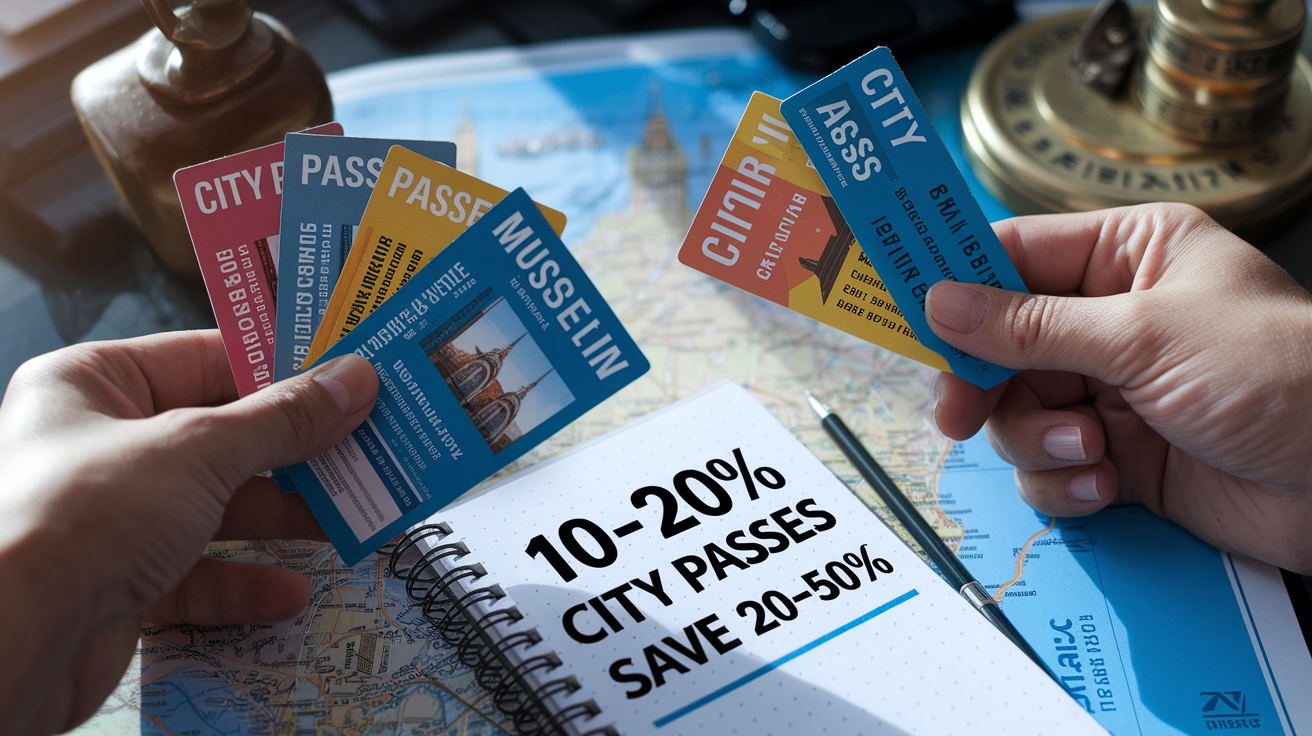
Activities and paid attractions usually take 10–20% of your trip budget. This category includes museum tickets, guided tours, city passes, and any special experiences you book in advance. The key decision is how many paid highlights you actually want versus how much free time you’re comfortable filling with parks, walks, and no ticket venues.
City tourist passes can save 20–50% if you plan to visit three or more paid attractions in a week. Do the math before you buy. Add up individual ticket prices for your must see list, then compare that total to the pass price. If the pass costs less and includes transport or skip the line perks, it’s usually worth it. If you only care about two major sites, pay individually and skip the pass.
Estimating Paid Activities
Pick two or three headline attractions you won’t skip, find their ticket prices online, and multiply by the number of people. Then add one or two smaller paid experiences, like a walking tour or a boat ride. Fill the remaining days with free options. Many cities offer free museum evenings, public galleries, architectural walks, waterfront access, and government run monuments with no entry fee. That mix keeps your activity budget predictable and leaves room for one spontaneous ticketed event if something catches your attention.
Four ways to reduce attraction costs:
Visit on free admission days. Many museums open free one evening per week or one Sunday per month. Check schedules in advance.
Book combination tickets. Bundling two or three sites often cuts 10–30% off individual prices.
Use student, senior, or resident discounts. Bring ID and ask at the ticket window. Discounts range from 10% to 50%.
Prioritize self guided exploration. Downloadable audio guides and free city apps replace $30–$80 group tours for most landmarks.
Handling Miscellaneous, Fees, and Hidden Costs

Miscellaneous expenses usually account for 5–10% of your total budget, but they’re the easiest category to underestimate. This bucket catches everything that doesn’t fit neatly into lodging, meals, transport, or activities. Toiletries, laundry, tips, snacks between meals, coffee, a replacement phone charger, and all the small purchases that add up faster than planned.
Hidden fees are the real budget killers. Airport transfers, city tourist taxes, ATM withdrawal fees, currency exchange markups, checked baggage charges, and hotel resort fees can add $50–$200 to a trip if you don’t plan for them. Use a credit card with no foreign transaction fees to avoid 2–3% surcharges on every purchase. Withdraw larger amounts from ATMs less often to minimize per transaction fees, which can run $3–$7 each. Check your hotel booking for mandatory fees listed in fine print, and confirm whether city taxes are included in the quoted nightly rate or added at checkout.
Five main categories of surprise expenses:
Tipping norms. Can add 5–20% depending on location. Budget $5–$15 per day in tip heavy regions.
Currency exchange and ATM fees. Combo of withdrawal charges and unfavorable exchange rates. Can cost 3–5% of cash withdrawn.
Tourist and city taxes. Often $2–$7 per night, charged separately from your hotel rate.
Checked luggage and seat selection fees. Airlines charge $30–$80 per checked bag each way. Seat fees run $10–$50 per flight.
Late night transport surcharges. Taxis and ride shares add 20–50% after certain hours or on weekends.
Applying Destination Cost Multipliers for Realistic Budgeting

Not all cities cost the same. A $120 per night hotel budget that works in Prague won’t cover a basic room in central London. Destination multipliers let you scale a baseline budget up or down without starting from scratch every time you plan a trip.
Cheaper cities in Southeast Asia, parts of Eastern Europe, and some Central and South American destinations run 0.6–0.8 times a typical U.S. or Western European city. If your baseline budget is $2,000 for seven days in a mid tier city, the same trip in a cheaper location costs around $1,200–$1,600. Expensive global capitals like New York, Paris, Tokyo, and Singapore require a 1.3–2.0 multiplier, pushing that $2,000 baseline to $2,600–$4,000. The quickest check? If average hotel prices in your target city run 50% higher than your reference city, apply that same 1.5 factor to lodging, meals, and transport.
Timing and neighborhood choices shift costs as much as geography. Weekend hotel rates often run 10–50% higher than weekday rates in business focused cities, while resort towns spike on weekends and drop mid week. Shoulder season travel, the weeks just before or after peak summer or holiday periods, can cut lodging and airfare by 15–40% with almost no loss in weather or access. Staying two or three metro stops outside the tourist core typically saves 10–40% on nightly rates and brings you closer to neighborhood restaurants where locals eat, which cost less than spots within sight of major landmarks.
Sample 7‑Day Budget Calculations for Three Spending Styles

A budget traveler aiming for $830 total allocates about $40 per night for lodging, $25 per day for meals, $8 per day for transport, $20 per day for activities, and $10 per day for miscellaneous costs. Over seven days, that’s $280 for lodging, $175 for meals, $56 for transport, $140 for activities, and $70 for miscellaneous. The subtotal is $721. Add 15% contingency, roughly $108, and the final budget rounds to $830. This tier works in hostels or budget guesthouses, relies on street food and supermarket staples, uses only public transit, picks one or two paid attractions, and skips most sit down restaurants.
A mid‑range traveler budgets around $2,250 for the same week. Lodging runs $120 per night, totaling $840. Meals cost $60 per day, or $420 for the week. Transport at $15 per day adds $105. Activities at $60 per day come to $420. Miscellaneous costs of $25 per day total $175. The subtotal is $1,960. A 15% contingency adds $294, bringing the final budget to $2,254, rounded to $2,250. This level covers mid tier hotels or well located apartments, casual restaurant lunches and dinners, a mix of metro and occasional taxis, and a city pass or several ticketed museums.
A luxury traveler plans for about $6,560. Nightly lodging of $350 totals $2,450. Meals at $150 per day reach $1,050. Transport at $40 per day adds $280. Activities budgeted at $200 per day total $1,400. Miscellaneous costs of $75 per day come to $525. The subtotal is $5,705. A 15% contingency of $856 brings the final to $6,561, rounded to $6,560. This tier includes boutique hotels or premium properties, multi course dinners, private cars or frequent taxis, guided tours and special experiences, and no need to hunt for discounts.
| Tier | Daily Breakdown | 7‑Day Total |
|---|---|---|
| Budget | Lodging $40, Meals $25, Transport $8, Activities $20, Misc $10 | ~$830 (incl. 15% contingency) |
| Mid‑range | Lodging $120, Meals $60, Transport $15, Activities $60, Misc $25 | ~$2,250 (incl. 15% contingency) |
| Luxury | Lodging $350, Meals $150, Transport $40, Activities $200, Misc $75 | ~$6,560 (incl. 15% contingency) |
Building an Emergency & Contingency Plan for a Week‑Long Trip
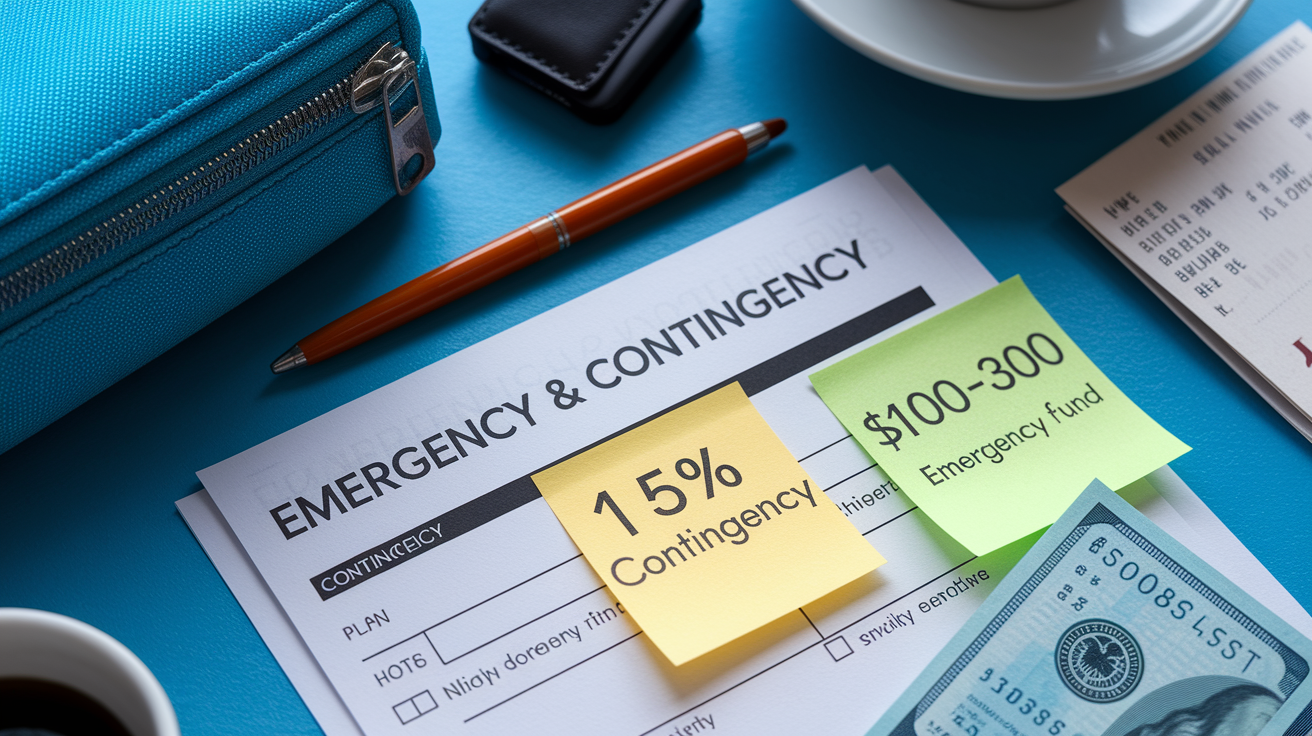
Contingency isn’t optional. It’s the line item that keeps a lost wallet or a missed connection from wrecking your entire week. Add 10–20% on top of your category subtotals, with 15% being the practical default for most city trips. That buffer covers dynamic pricing swings, an extra museum ticket you didn’t plan for, a higher than expected taxi fare, or a meal that costs more than your per day average.
Beyond percentage contingency, carry a $100–$300 absolute emergency fund in cash or available credit. This is separate from your daily budget and only gets touched for genuine problems. A medical co pay, replacing a stolen phone, rebooking a missed flight, or covering an unplanned night in a hotel if you get stuck. Keep it accessible but mentally off limits unless something actually goes wrong. If you never use it, that’s the trip going according to plan, not money wasted.
Quick Seven‑Step Budget Checklist for a 7‑Day City Trip

A complete ballpark budget takes less than fifteen minutes if you follow a simple sequence.
- Choose your lodging tier and set the nightly rate L. Budget $40, mid‑range $120, luxury $350, or research your specific city and pick a realistic number.
- Set per day values for M (meals), T (transport), A (activities), and X (miscellaneous). Use the tier benchmarks or adjust based on your travel style.
- Compute the subtotal: 7 × (L + M + T + A + X). This is your raw spending before any adjustments.
- Apply a destination multiplier if needed. Scale by 0.6–0.8 for cheaper cities, 1.0 for typical, 1.3–2.0 for expensive hubs.
- Add 10–20% contingency. Use 15% as the default. This covers unplanned costs and price variability.
- Add a $100–$300 emergency buffer. Optional but recommended. Separate from daily spending, used only for real problems.
- Round up to the nearest $50 or $100. Gives you a safety margin and simplifies mental math when tracking spending on the ground.
Final Words
In the action, you covered quick allocation percentages, nightly lodging multipliers, daily meal and transport tiers, activity costs, and the 7-step checklist.
Use the simple formula and the rounding rule to build your total. Add a 15% contingency and a small cash buffer to avoid surprises.
Apply these rules of thumb for budgeting a 7-day city trip as your default, then tweak for city and season. You’ll travel with fewer money shocks and more ease.
FAQ
Q: What is the 70-10-10-10 budget rule?
A: The 70-10-10-10 budget rule is a split that puts 70% toward essentials (bills, housing, groceries) and three 10% buckets for savings, debt repayment, and discretionary or giving choices.
Q: How much money should you take on a 7 day vacation?
A: How much money you should take on a 7-day vacation depends on your style: budget ≈ $830, mid-range ≈ $2,250, luxury ≈ $6,560 — all examples include a 15% contingency.
Q: What are Dave Ramsey’s four walls?
A: Dave Ramsey’s four walls are food, utilities, shelter, and transportation. These are the basic living costs he advises to cover before tackling other financial goals.
Q: What is the 50/30/20 budget rule?
A: The 50/30/20 budget rule is a guideline: 50% of income for needs, 30% for wants, and 20% for savings and debt repayment.