

Think a delayed flight means you just sit and wait?
Not true.
The first ten minutes after a delay decide how many good options you keep.
Act fast: check the airline app, confirm rebooking, document everything, and contact staff if needed.
This post gives a clear, step-by-step plan for those first minutes, explains your rights under EU261 and US DOT rules, shows common airline policies on rebooking and vouchers, and tells you when travel insurance will cover costs.
Read on to move from stuck to solved.
What To Do Immediately When Your Flight Is Delayed or Canceled
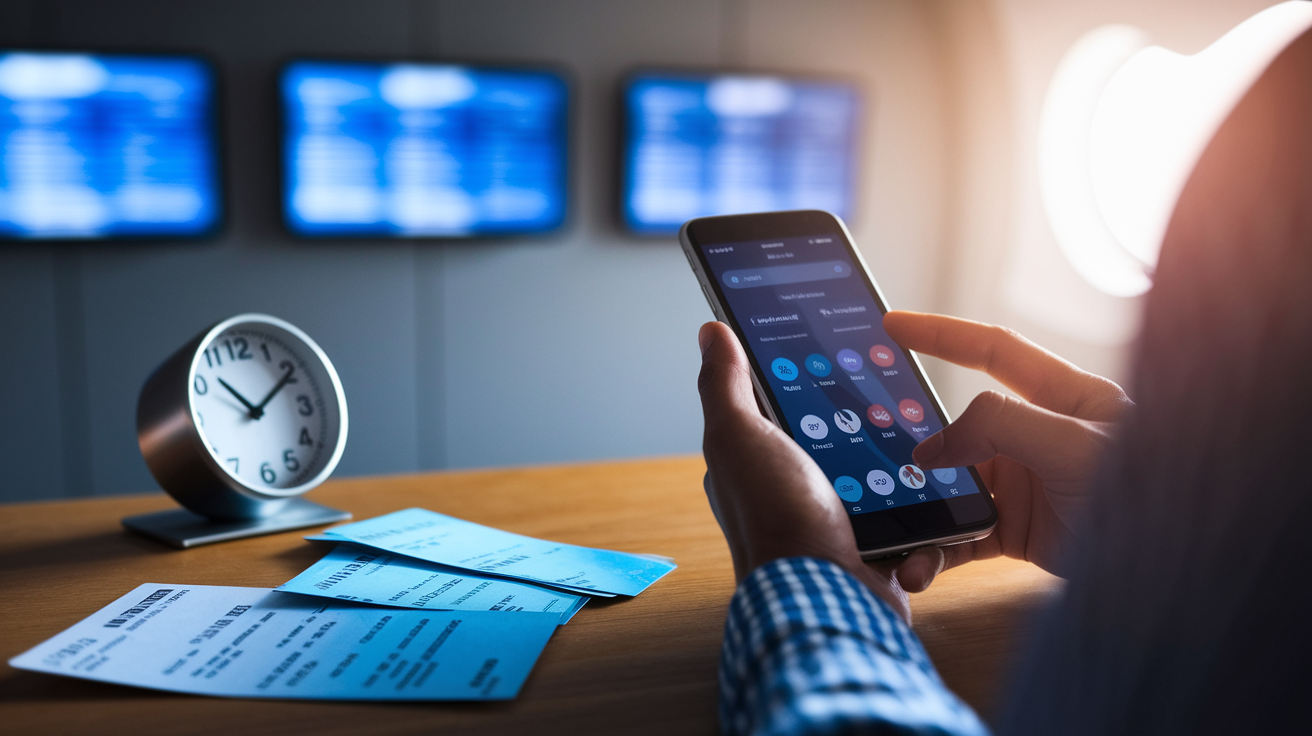
The first ten minutes after a delay or cancellation notice determine how many good options you’ve still got. Open your airline’s mobile app, check email, and review text messages to confirm the new status and see whether the airline already rebooked you.
Speed matters. Hundreds or thousands of passengers are accessing the same limited inventory of seats, hotel rooms, and rebooking agents. Wait too long and the best alternatives vanish while you’re still deciding. Act early and you get the widest range of choices, plus the best shot at reaching your destination without sleeping in an airport.
Most major airlines automatically rebook travelers onto the next available flight, but “available” doesn’t always mean convenient. Sometimes it’s not even the same day. Use the app’s self-rebooking feature to compare alternative routes, earlier departures, or nearby airports. If the app shows poor options or errors, contact a staffed ticket agent at the airport or call the airline’s customer service number. For faster service during high-volume disruptions, try the airline’s international phone lines, social media channels, or live chat.
Documentation protects your right to refunds, reimbursements, and compensation. Save boarding passes, booking confirmations, and screenshots of delay or cancellation notices. Photograph airport display boards showing your flight status and keep receipts for meals, transportation, and accommodation you purchase while waiting. This evidence supports any claim you file later under passenger rights regulations or travel insurance policies.
Follow these steps as soon as you learn of a delay or cancellation:
- Confirm the new departure time and flight status in the airline app, by email, or on airport monitors.
- Check whether the airline already rebooked you and review the proposed itinerary in the app.
- Contact an airline agent immediately if the rebooking doesn’t work for your schedule or if no rebooking appears.
- Review email and text notifications for voucher offers, alternate flights, or instructions from the airline.
- Document the delay or cancellation with screenshots, photos, and copies of all communications.
- Determine whether your delay qualifies for compensation under EU261, DOT rules, or your travel insurance policy based on the flight’s origin, destination, and cause of disruption.
Understanding Your Passenger Rights Under EU261

EU Regulation 261/2004 applies to flights departing any airport in the European Union, Iceland, Norway, or Switzerland. It also covers flights operated by EU carriers arriving in the EU from outside the region. If your disrupted flight meets these criteria, you may be entitled to financial compensation, full care during the delay, and a choice between rebooking or a refund.
Compensation amounts depend on flight distance and the length of the arrival delay at your final destination. Short-haul flights under 1,500 kilometers qualify for €250 if you arrive three or more hours late. Medium-haul flights between 1,500 and 3,500 kilometers earn €400, and long-haul flights over 3,500 kilometers qualify for €600. Airlines can reduce compensation by 50% if they reroute you and you arrive less than four hours late on long-haul routes or less than three hours late on shorter routes.
Airlines aren’t required to pay compensation when delays or cancellations result from extraordinary circumstances beyond their control. Weather events, air traffic control restrictions, political unrest, and security threats fall into this category. Mechanical issues, crew shortages, and airline employee strikes don’t qualify as extraordinary circumstances and trigger full compensation obligations. Even when compensation isn’t payable, the airline must still provide care: meals, refreshments, hotel accommodation if an overnight stay is required, and transportation between the airport and the hotel.
You’re entitled to compensation under EU261 if all of the following apply:
- Your flight departed from an EU airport or was operated by an EU carrier arriving in the EU.
- You arrived at your final destination three or more hours late, or your flight was canceled with less than 14 days’ notice.
- You checked in on time and met all boarding requirements.
- The disruption wasn’t caused by extraordinary circumstances.
- You haven’t already accepted compensation or a voucher that waived your right to a cash payment.
| Flight Distance | Compensation Amount |
|---|---|
| Up to 1,500 km | €250 |
| 1,500 km to 3,500 km | €400 |
| Over 3,500 km | €600 |
US Department of Transportation Rules for Delays and Cancellations

The US Department of Transportation doesn’t require airlines to compensate passengers for delayed or canceled flights. Unlike the EU system, there’s no universal right to cash payments based on delay length or inconvenience. Airlines operating in the US set their own policies for vouchers, rebooking assistance, and customer goodwill gestures.
The DOT does mandate automatic refunds when an airline cancels a flight or makes a significant schedule change and the passenger chooses not to travel. A significant change includes delays of three or more hours for domestic flights or six or more hours for international flights, changes to departure or arrival airports, increases in the number of connections, or downgrades to a lower service class. Refunds must be issued within seven business days for credit card purchases and within 20 calendar days for cash or check payments. The refund must include the full fare and any optional fees paid for services the passenger didn’t receive, such as seat selection or checked baggage.
Airlines are required to notify passengers of flight status changes within seven days of the scheduled departure when the change exceeds 30 minutes. If you don’t receive proper notification and the delay disrupts your plans, you have a stronger case for requesting compensation or flexible rebooking even if the airline’s policy would normally deny it. File a complaint with the DOT if an airline refuses a refund you believe you’re entitled to or fails to honor its own customer service commitments.
To claim a refund under DOT rules, follow these steps:
- Decline the airline’s alternate rebooking offer if you no longer wish to travel on the new itinerary.
- Request a refund in writing through the airline’s website, app, or customer service portal. Include your booking reference, flight number, and details of the cancellation or schedule change.
- Save email confirmations of your refund request and any correspondence with the airline.
- File a DOT complaint at flightrights.gov if the airline doesn’t issue the refund within the required timeframe or denies your claim without valid justification.
Airline-Specific Policies: Rebooking, Vouchers, and Compensation

Each airline operates its own set of policies for handling delays and cancellations. These vary by fare class, elite status, and the cause of the disruption. Major US carriers typically rebook passengers automatically onto the next available flight on the same airline at no extra cost. If no same-day option exists, some airlines offer standby boarding on earlier flights or the option to travel on a later date that works better for your schedule.
When automatic rebooking isn’t acceptable, ask whether the airline will rebook you on a partner carrier or a competing airline. This happens more often during large-scale weather disruptions or when the airline has limited remaining inventory. Present researched options if you’ve already identified open seats on another carrier’s flights. Airlines are more likely to approve interline rebooking when they see you’ve done the work to find a solution.
Travel vouchers are common compensation for voluntary changes, significant delays, or goodwill gestures after customer service failures. Vouchers typically expire 12 months from the issue date and apply only to future travel on the same airline. Check the fine print. Some vouchers require booking directly through the airline rather than third-party sites, others can’t be combined with promotional fares, and a few impose blackout dates around major holidays. If the voucher value exceeds the cost of your next ticket, the remaining balance usually stays active under the same expiration terms.
Common airline options during delays and cancellations include:
- Automatic rebooking on the next available flight at no charge, often processed before you reach the gate or ticket counter.
- Same-day standby for earlier flights, available at no cost for elite members or for a fee ranging from $75 to $100 for other travelers.
- Rebooking on partner airlines when the operating carrier can’t accommodate you within a reasonable timeframe.
- Travel vouchers for future flights when you accept a voluntary itinerary change or agree to a less convenient rebooking option.
- Fare difference waivers if the new flight costs more than the original ticket, though downgrades to cheaper itineraries usually don’t result in partial refunds unless required by regulation.
How Travel Insurance Covers Delays and Cancellations
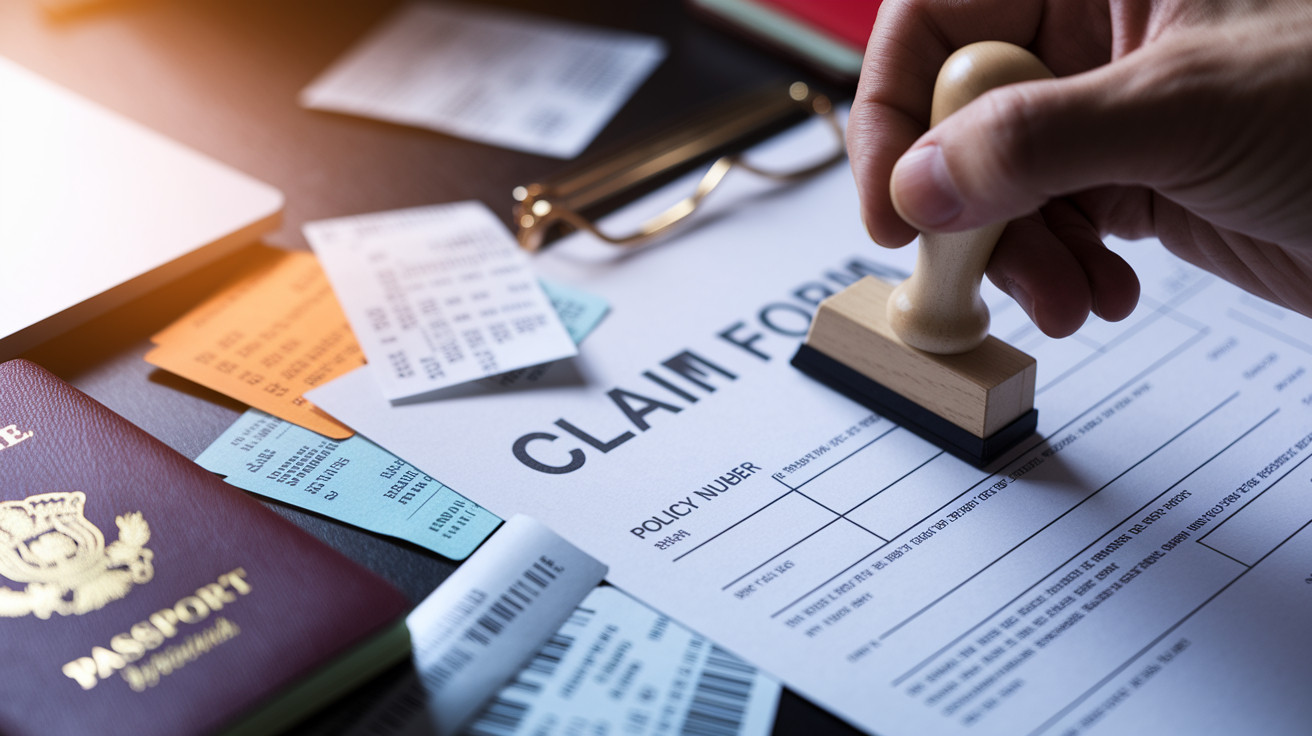
Comprehensive travel insurance policies typically include trip delay, trip cancellation, and trip interruption benefits that reimburse specific expenses when disruptions exceed a minimum threshold. Trip delay coverage activates after a delay of five to six hours, depending on the policy tier, and reimburses meals, ground transportation, and accommodation up to a daily maximum. For example, a mid-tier policy might cover up to $150 per day with a total cap of $2,000 per trip.
Trip cancellation and interruption benefits protect prepaid, nonrefundable expenses when you must cancel before departure or cut a trip short for covered reasons such as illness, injury, severe weather causing 24-hour airline shutdowns, or airline employee strikes. These benefits reimburse up to 100% of the trip cost, with maximum coverage limits ranging from $10,000 on basic plans to $100,000 on premium policies. If a delay causes you to miss a prepaid tour, hotel night, or event ticket, trip interruption coverage can reimburse the unused portion even if you eventually reach your destination.
Filing a successful insurance claim requires organized documentation. Start collecting evidence as soon as the delay or cancellation occurs. Insurers deny claims when travelers can’t prove the reason for the disruption, the length of the delay, or the expenses they incurred while waiting.
To file a travel insurance claim for a delay or cancellation, gather and submit:
- Your policy number and a completed claim form from the insurer’s website or app.
- Original receipts for meals, taxis, hotels, or other out-of-pocket expenses covered under your policy’s delay or interruption benefits.
- Copies of your flight confirmation, boarding passes, and booking reference showing the original and revised itineraries.
- Written or digital confirmation from the airline explaining the cause and duration of the delay or cancellation.
- Screenshots or photos of airport display boards, gate announcements, or app notifications documenting the disruption timeline.
Scenario-Based Guidance for Common Travel Situations

Missed Connection Due to Delay
If your first flight’s delay causes you to miss a connecting flight booked on the same ticket, the operating airline is responsible for rebooking you on the next available flight at no extra cost. Walk directly to the airline’s customer service desk or use the app’s rebooking tool while you’re still on the delayed aircraft. Speed matters because other passengers on the same inbound flight are competing for the same limited seats on outbound connections.
- Confirm the airline automatically rebooked you, then check whether the new connection time works for your schedule or if earlier options exist.
- Ask the gate agent or ticket counter staff for meal vouchers if the wait exceeds two hours, and request hotel and ground transportation vouchers if the delay requires an overnight stay.
- Collect written documentation showing the original connection time, the delay that caused the misconnection, and the airline’s rebooking confirmation.
- If the airline can’t rebook you the same day and you must reach your destination urgently, research alternate carriers or routes and ask whether the airline will cover the cost of rebooking you on a competitor’s flight.
Overnight Airport Delays
When a cancellation or extended delay forces you to spend the night at the airport, immediately secure a place to rest and assess your rebooking options before crowds overwhelm ticket counters and phone lines. Airport hotels near major hubs fill quickly during large disruptions, and last-minute cash rates can exceed $300 per night. If you have hotel points or a credit card with travel delay coverage, use them to book a room off-site while availability remains.
- Use the airline app or a ticket agent to confirm your rebooked flight, verify the new departure time, and make sure you have a confirmed seat rather than standby status.
- Request meal and hotel vouchers from the airline if the delay is within their control, such as mechanical issues or crew shortages. Just understand that weather-related cancellations usually don’t trigger these benefits under US policies.
- Check whether your credit card offers trip delay coverage that reimburses hotel, meals, and ground transportation after a delay of six hours or more.
- If the airport has airline lounges and you hold a membership, day pass, or qualifying credit card, use lounge facilities for comfortable seating, Wi-Fi, snacks, and access to experienced agents who can assist with complex rebooking.
Weather-Related Cancellations
Severe weather typically qualifies as an extraordinary circumstance under most passenger rights frameworks, which means airlines aren’t required to pay compensation even if your plans are significantly disrupted. You’re still entitled to rebooking on the next available flight, but meal vouchers, hotel accommodation, and ground transportation are less likely to be provided unless required by local regulations or the airline’s own policy.
- Monitor weather forecasts three to five days before departure, and if severe conditions are predicted, contact the airline to request an earlier flight or to travel a day early without penalty.
- Check whether the airline has issued a weather advisory or travel waiver allowing free changes to flights in the affected region, and rebook proactively before cancellations begin.
- If you’re already at the airport when weather cancellations occur, ask the airline whether rebooking on a partner carrier or an alternate route through an unaffected city is possible.
- Save receipts for meals, transportation, and accommodation you purchase during the delay, and file a claim with your travel insurance or credit card trip delay coverage if those benefits apply to weather disruptions.
Mechanical Issues or Crew Shortages
Mechanical problems and crew availability issues are within the airline’s control, which means these disruptions often trigger stronger compensation and care obligations depending on the jurisdiction. Under EU261, mechanical delays exceeding three hours at your final destination entitle you to cash compensation. In the US, airlines aren’t required to pay compensation but may offer travel vouchers or other goodwill gestures.
- Request immediate rebooking and ask the ticket agent to note the delay reason as “mechanical” or “crew scheduling” in your file, as this documentation supports compensation claims.
- If the delay requires an overnight stay, request hotel and ground transportation vouchers from the airline, and follow up in writing if the desk staff decline your request.
- File a compensation claim through the airline’s website or a third-party claims service if your flight qualifies under EU261, including copies of your booking, boarding pass, and the airline’s written explanation of the delay cause.
- Check your travel insurance policy’s trip delay benefit, as mechanical and crew issues are typically covered events, and submit a claim with receipts for meals, accommodation, and transportation if the delay exceeds the policy’s minimum threshold.
Final Words
Act fast: confirm your flight status, use the airline app to see rebooking options, and talk to agents early. Document every delay with screenshots, photos, and receipts.
Know your rights and routes: EU261, DOT rules, airline policies, and travel insurance each cover different costs. Read the rule that applies and file claims quickly.
For a simple playbook, follow the six-step checklist, keep proof, and push for rebooking or refund—this is what to do when your flight is delayed or canceled. You’ll be back on track.
FAQ
Q: What happens if your flight gets delayed or cancelled? What can you claim if your flight is delayed or cancelled? What am I entitled to if my flight is very delayed?
A: If your flight is delayed or cancelled, you can be rebooked, refunded, or offered care; EU261 may pay €250–€600 for long delays, DOT refunds apply in the US—document everything and use the airline app.
Q: Which airline to stay away from?
A: Airlines to stay away from are those with chronic delays, high complaint rates, poor rebooking/refund policies, or restrictive voucher terms; check recent on-time stats, passenger reviews, and complaint records before booking.