

Photos and low prices don’t tell you if a place is safe.
Picking accommodation by price or style is the riskiest choice a traveler makes.
This post gives clear, repeatable checks so you can pick a secure base fast.
You’ll get immediate safety checks to do before booking, how to read neighborhood risk, which building access and fire-safety features truly matter, and the right host questions to ask.
Use the short checklists and rules of thumb here to choose a room you can actually sleep in without worry.
Immediate Safety Factors to Check When Choosing Secure Accommodation

Start with government travel advisories to get the country-level picture. Check your own government’s foreign travel page for security ratings, but don’t stop there. These are broad strokes. A country flagged at level 2 might have neighborhoods that feel safer than many streets back home, and safe countries can still have high-crime districts. Treat the national rating as your baseline, not your final answer.
Your real work begins at the property level. Before you book, verify that the building has electronic access control. Ideally key cards or biometric entry that restricts who can reach guest floors. Check that door and window locks are solid, not just cosmetic latches. Make sure exterior lighting covers entrances, walkways, and any parking areas. Confirm that CCTV monitors corridors and common spaces. If the listing shows photos of a staffed front desk, note the hours and ask directly if reception is truly 24/7.
Look at recent guest reviews for words like “safe,” “secure,” “locked,” “staff present,” and “well lit.” Reviews mentioning theft, broken locks, or poor lighting? Immediate warnings. Request photos that show locks, key-card readers, in-room safes, and emergency signage. If a host or manager resists sharing specifics or documented proof, move to the next property.
Safety inspection checklist before booking:
- 24/7 staffed reception or verified local contact reachable around the clock
- CCTV cameras visible in lobbies, corridors, and building entrances
- Key-card or electronic access control limiting entry to guest floors
- Strong deadbolts and secure window locks on all doors and openings
- Marked emergency exits, working fire extinguishers, and clear evacuation signage
- Adequate exterior and interior lighting, especially at entry points and staircases
- In-room safe or secure storage option for valuables and documents
- At least three recent reviews (within six months) confirming security features and no incident reports
Neighborhood Safety Research When Choosing Secure Accommodation
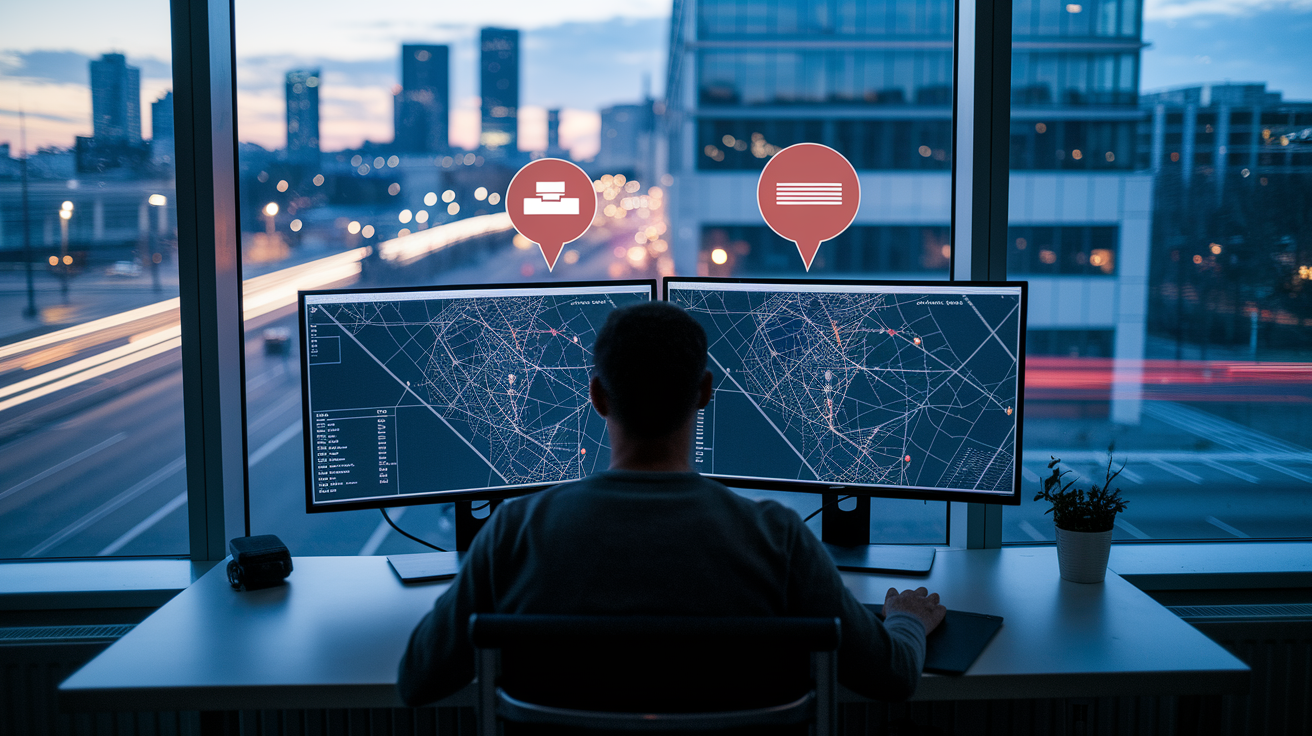
A safe property in a risky neighborhood is still a risky stay. Before you commit, use at least two independent sources to check local crime statistics. Government portals, police precinct reports, and resident forums give you the real picture. Look at incident types, not just totals, and notice whether crime happens near transit stops, entertainment zones, or isolated side streets.
Walk the address on street view if you can’t visit in person. Check lighting conditions after dark, proximity to bars or nightlife hubs, and whether the block feels residential or industrial. Find the nearest hospital, police station, and 24-hour pharmacy. Map safe walking or transit routes between them and your accommodation. Properties within 10 minutes of emergency services and well-serviced public transport earn extra safety credit. Examples like central districts in Amsterdam, Munich, and Dublin combine convenience with walkability, but even there, verify street-by-street conditions before booking.
| Area Indicator | What to Check | Why It Matters |
|---|---|---|
| Crime rates | Recent assault, burglary, and theft statistics from local police or government data | High property crime directly threatens your belongings; violent crime affects personal safety during transit |
| Street lighting | Visible, functioning lights along sidewalks and around building entrances, especially after dark | Poor lighting increases opportunistic crime and makes emergency egress harder at night |
| Proximity to police and hospitals | Distance and typical travel time to the nearest station and emergency department | Quick response times can be critical in medical emergencies or security incidents |
| Public transport access | Reliable bus, tram, or metro stops within safe walking distance, operating hours that match your schedule | Reduces reliance on taxis or ride-shares late at night; well-serviced areas tend to have higher foot traffic and visibility |
Building Access Control and Security Features to Verify
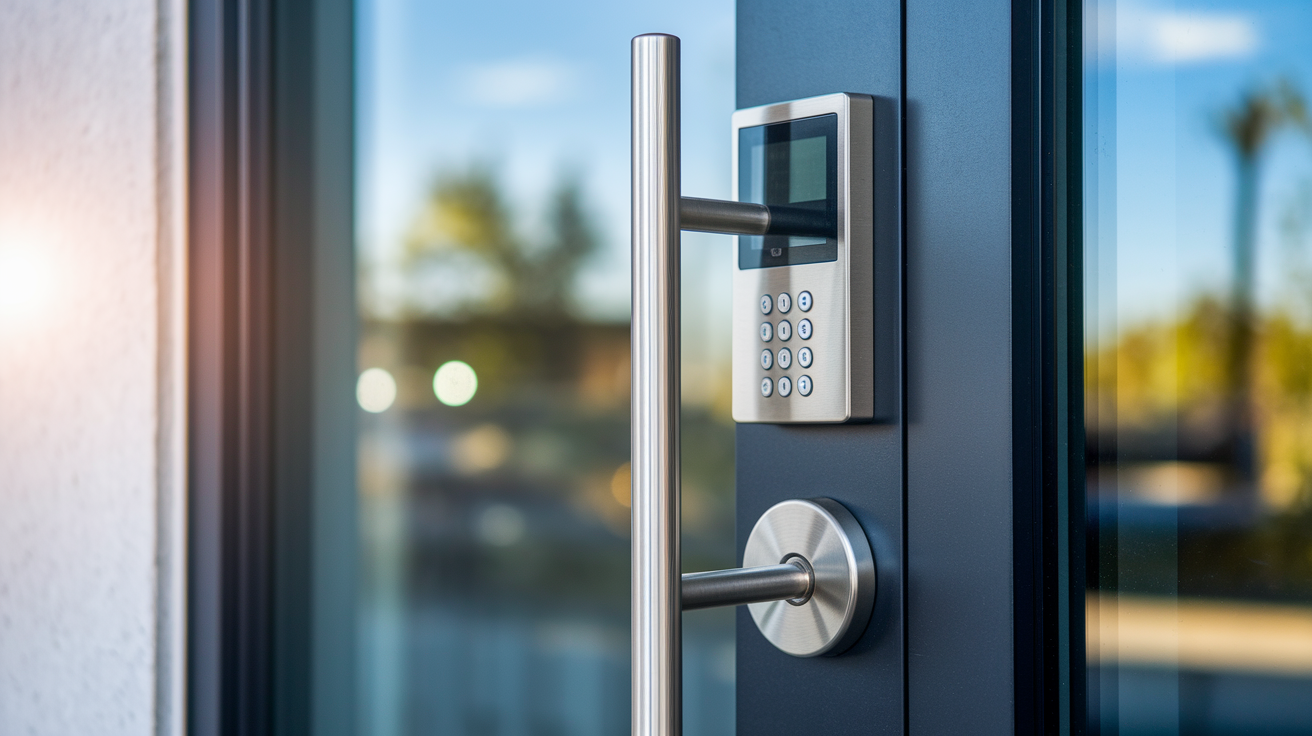
Access control is the first line of defense. A building with uncontrolled entry is effectively a public space. Electronic key cards, biometric readers, or numeric keypads that restrict access to guest floors keep unauthorized visitors out. Ask the host or manager which system they use and whether ground-floor lobbies, elevators, and stairwells require credentials to pass.
Intercoms and visitor-screening systems add a second checkpoint. If the property has a front desk or concierge, confirm they screen visitors before granting access. Check whether staff work overnight or if the building relies on remote monitoring after hours. CCTV cameras should cover all public areas. Elevators, corridors, parking garages, and loading docks. Request the location of cameras and whether footage is actively monitored or just recorded for review after incidents.
Smart locks and app-based entry can be convenient but introduce new risks. If the property uses digital codes or mobile credentials, ask how often codes are rotated and whether previous guests’ access is immediately revoked. Properties that reuse codes or fail to update access permissions create security gaps. Verify that doors also have traditional deadbolts as backup and that windows have secure locks, not just latches.
Five-step pre-booking verification routine:
- Confirm the access method used for building entry and guest floors (key card, biometric, keypad, or traditional key).
- Request photos showing key-card readers, intercom panels, CCTV cameras, and door locks.
- Ask whether reception or security staff are onsite 24/7, or if the building is unstaffed during certain hours.
- Check if access to guest floors is restricted so that lobby entry alone does not grant full building access.
- Verify CCTV placement and ask if cameras cover corridors, elevators, stairwells, and exterior entry points.
Assessing Fire Safety, Emergency Routes, and Disaster Preparedness
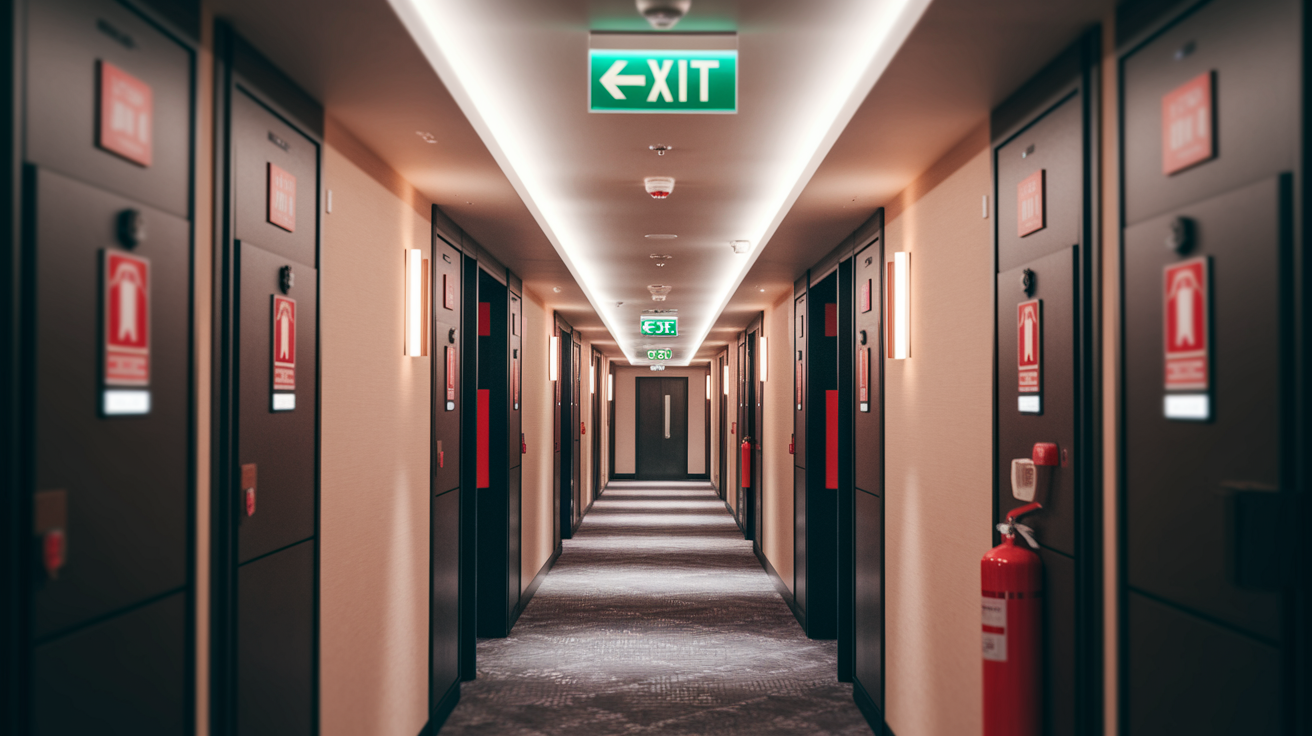
Fire safety starts with working smoke detectors in every room and common area. On arrival, test your room’s detector and check that it has a functioning battery or is hardwired. Carbon monoxide detectors should be present if the property has gas heating, stoves, or fireplaces. Locate at least two emergency exits on your floor and walk the route to confirm doors are unlocked and corridors are clear.
Check for fire extinguishers mounted in hallways and confirm they have current inspection tags. Emergency lighting should illuminate exit paths even if main power fails. Ask the host or manager if the property has a documented evacuation plan and where assembly points are located.
Properties in high-risk zones for earthquakes, hurricanes, or floods should provide written procedures and staff trained to execute them. Request the floor number of your room before booking and prefer floors three through seven, which balance accessibility for emergency ladders with height above street-level threats.
Emergency preparedness checklist:
- Smoke and carbon monoxide detectors installed and operational in all sleeping areas
- Clearly marked exit signs with illuminated arrows visible in low light or darkness
- Fire extinguishers accessible on each floor with valid inspection dates
- Room assignment on floors 3 to 7, high enough to reduce street-level exposure but reachable by emergency services
- Distance and estimated travel time to the nearest hospital or urgent care facility provided in writing
- Natural hazard response plan available for locations prone to earthquakes, flooding, or severe weather
Vetting Hosts, Staff, and Property Management for Security
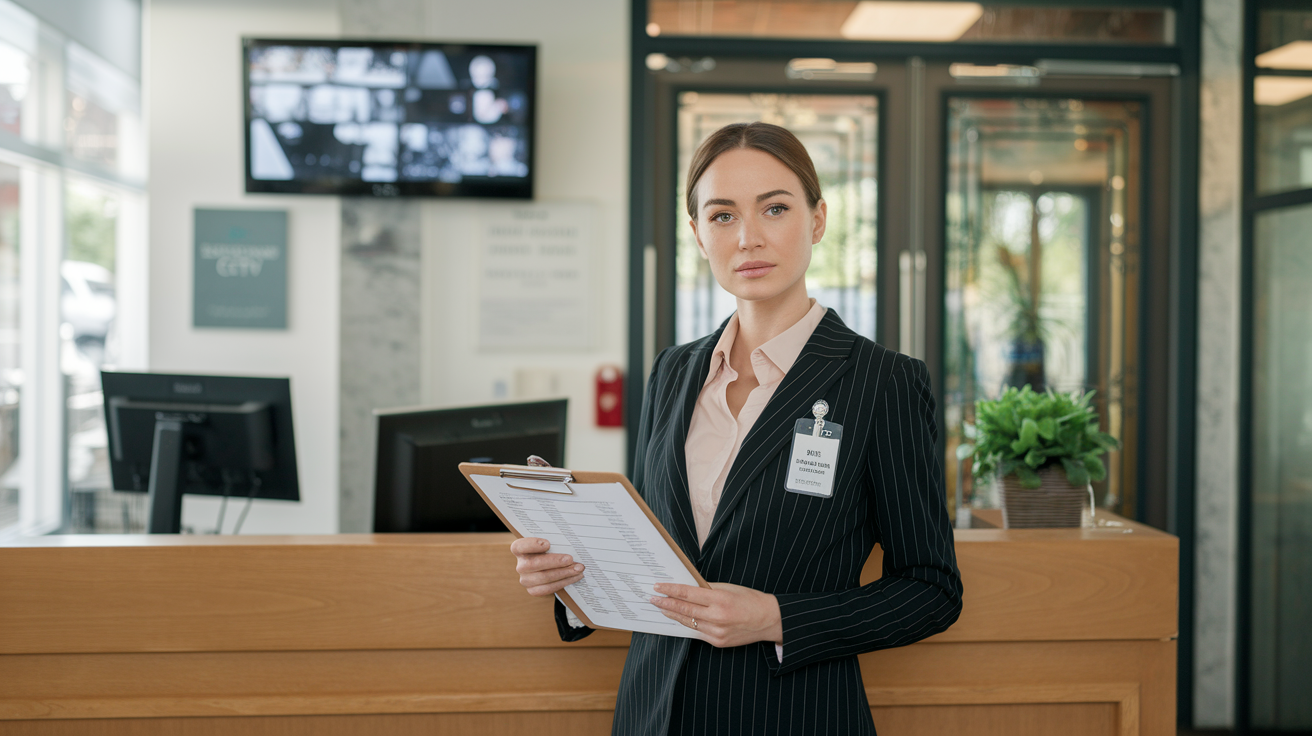
Host responsiveness signals how seriously they take guest safety. Reach out before booking with direct questions about security measures. Hosts who reply quickly with specific details and offer to send photos or documentation are demonstrating accountability. Vague answers, delays, or reluctance to share floor plans, lock types, or staff schedules? Warning signs.
Ask whether the property employs security patrols, and if so, request the patrol schedule and contact procedure. Confirm that staff undergo background checks, especially for properties with access to guest rooms for cleaning or maintenance. Booking platforms that verify host identity and provide traveler protection add an extra validation layer, but platform badges alone don’t guarantee on-site safety. Always request written confirmation of the security features you discuss and save all correspondence in case issues arise.
Five key questions to ask any host or manager:
- Is reception or a local contact available 24/7, and can you provide their direct phone number?
- What type of access control secures the building and guest floors, and can you send photos of the system?
- Are security staff or patrols present on site, and what are their operating hours?
- Which floor is my assigned room on, and does it face the street or an internal courtyard?
- Can you provide copies of fire-safety certifications, recent safety inspections, or relevant local accreditations?
Review Analysis and Proof-Based Verification of Safety Claims

Guest reviews are your best reality check. Filter reviews to the most recent six months and search for keywords like “safe,” “secure,” “theft,” “staff,” “lighting,” “CCTV,” and “locks.” Multiple mentions of the same issue, whether positive or negative, indicate a pattern. A property with consistent praise for visible security staff and good lighting is more credible than one with scattered generic comments.
Look for photos guests have uploaded showing locks, key-card readers, safes, emergency signage, and staffed reception desks. If official listing photos show a 24-hour desk but guest images show an empty lobby, trust the guests. Check whether negative reviews mention unresolved incidents, like theft with no follow-up or broken locks that were never repaired. Hosts who respond to safety complaints professionally and with documented corrective action show accountability.
Be alert to privacy boundaries. CCTV in common areas is standard and appropriate. Cameras in bathrooms, changing areas, or private rooms are not. If you have concerns about hidden cameras, use a flashlight to scan for lens reflections and check smoke detectors, clocks, and decorative items for unusual lens openings. Booking platforms that verify listings and offer traveler guarantees provide additional recourse if safety claims turn out to be false.
| Review Signal | What It Means | Action to Take |
|---|---|---|
| Multiple guests mention visible CCTV and security staff | Property likely maintains active monitoring and staffing as advertised | Proceed with booking; confirm camera placement and staff hours before arrival |
| Recent reviews report poor lighting in corridors or parking areas | Exterior or interior lighting may be inadequate or broken, increasing risk after dark | Ask host for photos of lit areas at night and request confirmation that lighting has been repaired |
| Two or more reviews within six months mention theft or break-ins | Property may lack effective security measures or staff oversight | Avoid booking unless host provides documented corrective actions and recent security upgrades |
| Guests consistently praise fast staff response to concerns or emergencies | Management prioritizes guest safety and has clear incident-response procedures | Confirm emergency contact procedures at check-in and save staff numbers immediately |
Floor Level, Room Placement, and On‑Site Risk Minimization
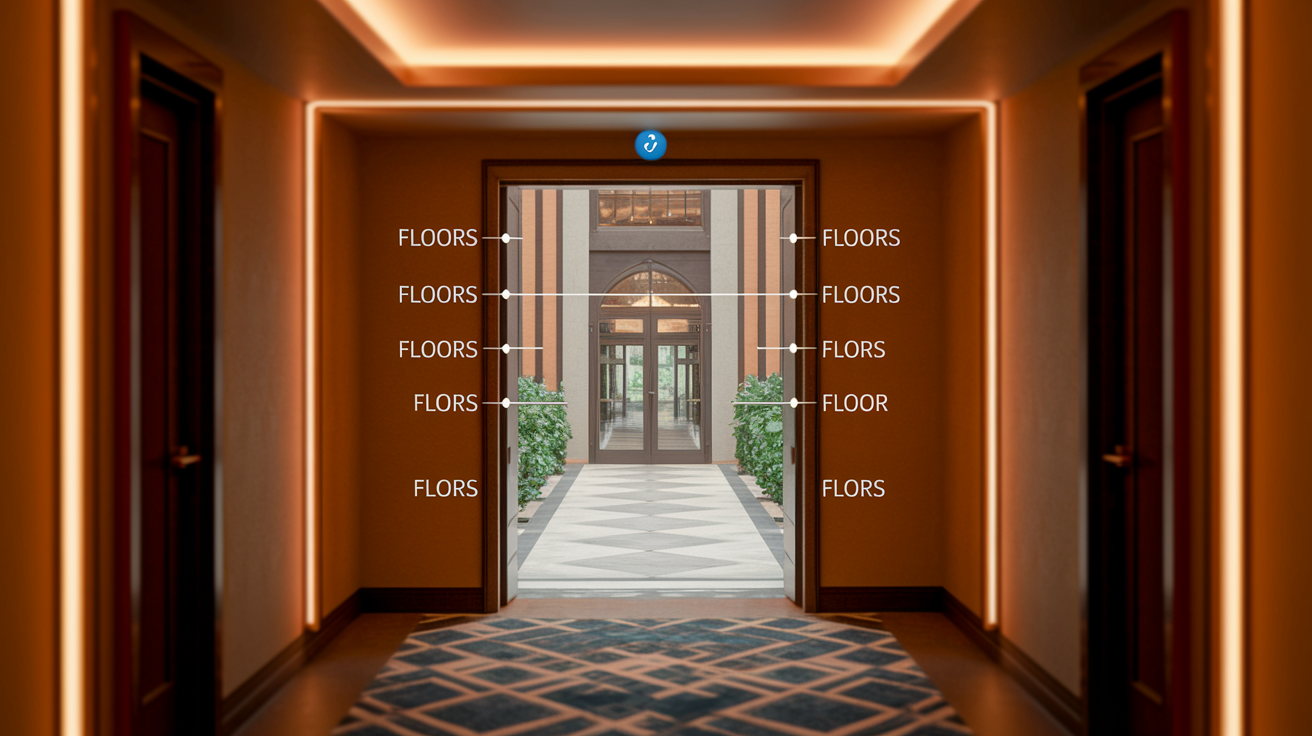
Request a room on the third through seventh floors. Lower floors face higher risk of forced entry from the street or accessible windows. Ground-floor rooms with exterior doors or windows opening directly onto sidewalks, alleys, or parking areas are the easiest targets. Upper floors above the seventh can be harder for emergency services to reach quickly with ladders or rescue equipment.
Ask for a room facing an internal courtyard or side street rather than a busy road, vehicle drop-off zone, or public square. Rooms overlooking high-traffic areas have more exposure to noise, visibility from the street, and potential targeting. Verify that all windows have secure locks, not just latches, and that balcony doors have deadbolts. Check peepholes or door viewers before opening your door to anyone, and ensure your room door has a working deadbolt and security chain or bar.
Ideal room characteristics:
- Assigned to floors 3 to 7, balancing security from street access with emergency-service reach
- Faces internal courtyard, rear of building, or low-traffic side street instead of main road
- Windows and balcony doors equipped with secure locks and in good working condition
- Entry door fitted with deadbolt, peephole, and secondary security chain or bar
Special Considerations for High-Risk Destinations
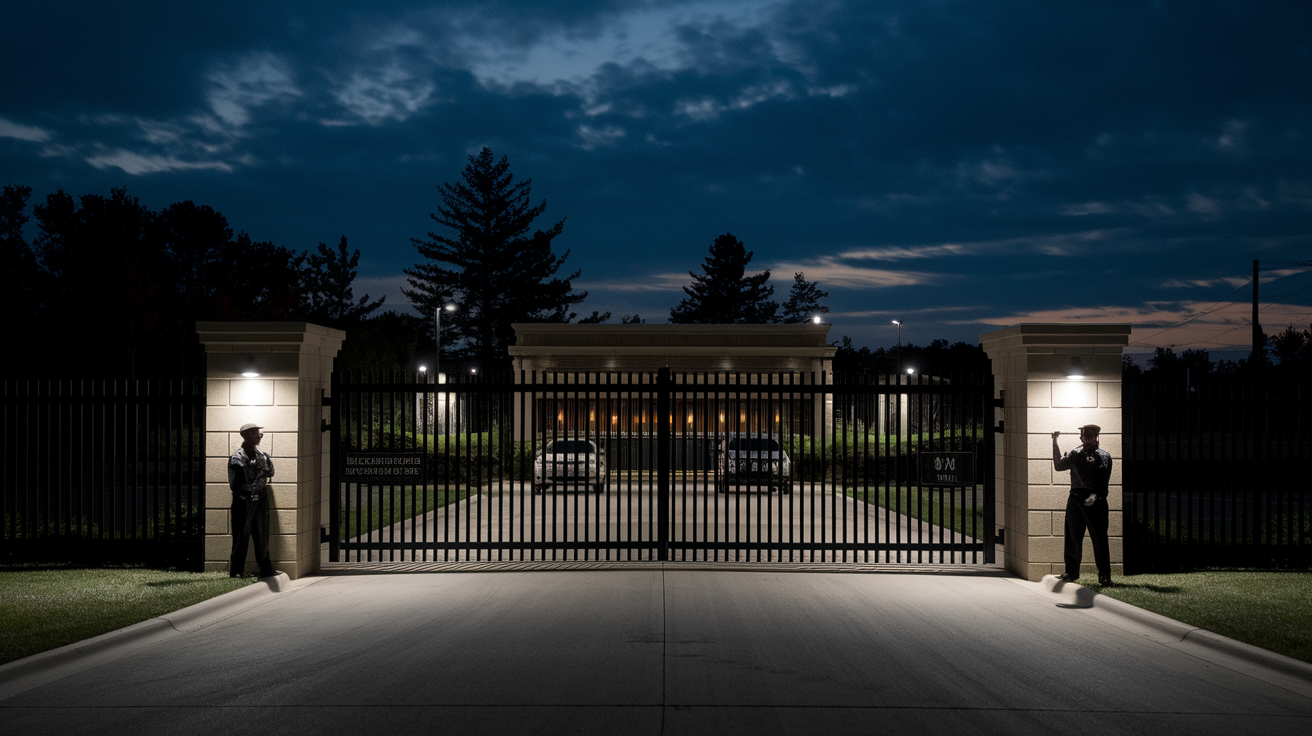
When traveling to areas with elevated security risks, choose accommodation in central, well-populated districts with strong local services. Avoid hotels or rentals located immediately adjacent to government buildings, military installations, or embassies, which can become targets during unrest or attacks. In regions experiencing political instability, low-profile local hotels often attract less attention than high-profile international chains.
Confirm that the property has onsite security guards, secured entry gates, and vehicle screening at access points. Request details about patrol schedules and incident-response procedures. For short-term rentals in high-risk locations, book entire properties rather than shared rooms or apartments. Restrict short-term rental use to destinations with government travel advisory levels of 1 or 2. Higher-risk zones require hotel-grade security infrastructure that most private rentals can’t provide.
Female travelers and solo travelers should prioritize properties with 24/7 staffed reception, secure in-room storage, and female-only accommodation options where available. Families need controlled building access, balcony guards on upper-floor rooms, and childproofing features like secured windows and covered electrical outlets. Always verify that doors between shared and private spaces lock securely from the inside.
Safety Protocols for Solo Travelers
Solo travelers benefit most from visible, accessible staff and high foot traffic in common areas. Choose properties where reception is continuously staffed and where other guests are present in lobbies and hallways. Request a room near the elevator or stairwell to minimize isolated corridor walks, but not so close that you lose privacy from high-traffic noise. Confirm that the property provides secure lockers or an in-room safe large enough for a laptop and passport.
Communicate your check-in and check-out times to a trusted contact and share the property’s exact address, floor number, and front-desk phone number. On arrival, test all locks and confirm that windows close and secure properly. If anything feels unsafe, trust that instinct and request a room change or find alternative accommodation immediately.
Parking, Transport Access, and Safe Arrival/Departure

Secure parking with CCTV coverage and controlled entry gates protects your vehicle and reduces the risk of theft or tampering. Confirm that parking areas are well lit and that access requires a key card, ticket, or staff authorization. If street parking is the only option, research the neighborhood’s vehicle-crime rates and avoid leaving valuables visible inside your car.
Public transport access matters as much as the accommodation itself. Properties served by reliable metro, bus, or tram routes reduce your need for taxis or ride-shares late at night. Check whether the nearest transit stop is within safe walking distance and well lit after dark.
For remote or rural accommodations, verify that road conditions are passable year-round and that airport or port transfers are available. Ask for estimated travel times in writing and confirm backup transport options in case primary routes are disrupted.
Four transport safety checks:
- Confirm that the property is within 10 minutes’ walk of a reliable, well-serviced public transport stop operating during your planned travel hours.
- Verify that parking areas have CCTV, controlled access, and adequate lighting covering all vehicle spaces and walkways.
- Research whether the surrounding streets are safe to walk after dark, or if ride-share pickup zones are located in visible, monitored areas.
- For remote locations, request documented confirmation of transfer availability, estimated travel time, and road access conditions during your travel dates.
Red Flags That Indicate Unsafe Accommodation

If reception is unstaffed overnight or the property offers no 24/7 local contact, your ability to respond to emergencies drops sharply. No CCTV or poor camera coverage in corridors and entrances means no deterrent and no evidence if an incident occurs. Broken locks, windows that don’t secure, or missing in-room safes are immediate disqualifiers.
Low or nonexistent exterior lighting around entrances, parking areas, and walkways makes the property a target. Multiple recent reviews mentioning theft, harassment, or safety incidents are red flags that management isn’t addressing security gaps. Hosts or managers who refuse to disclose floor numbers, emergency procedures, access-control details, or proximity to emergency services are hiding something or don’t take safety seriously. Ground-floor rooms with exterior access, poor maintenance response times, and lack of emergency signage all indicate that the property isn’t prepared for guest safety or crisis management.
Seven red flags to avoid:
- No 24/7 reception or verified local emergency contact reachable around the clock
- Absence of CCTV in public corridors, lobbies, or building entrances
- Broken, weak, or missing locks on doors and windows, or no in-room safe provided
- Inadequate lighting around building perimeters, parking areas, stairwells, or entrances
- Two or more recent reviews reporting theft, harassment, break-ins, or unresolved security incidents
- Host or manager unwilling to answer direct questions about floor assignment, security measures, or emergency procedures
- Ground-floor room assignments with direct street or alley access, or rooms facing vehicle drop-off points and high-traffic public areas
Essential Safety Questions to Ask Before Booking Accommodation
Direct questions force hosts and managers to provide specifics or reveal gaps in their security. Ask whether reception is staffed 24 hours a day, every day, or only during business hours. Confirm the type of access control used for building entry and guest floors, and request photos showing the system in place. Find out which floor your room will be on and which direction it faces before you finalize the booking.
Request details about emergency procedures. Where exits are located, how evacuation is managed, and where the nearest hospital and police station are. Ask for copies of fire-safety certifications, recent safety inspections, or local accreditations that verify compliance with building and safety codes. Confirm whether security patrols operate onsite and what the schedule looks like. Properties that respond quickly with clear, documented answers demonstrate that safety is a managed priority, not an afterthought.
Eight essential questions to ask:
- Is reception staffed 24 hours a day, and if not, who is the emergency contact reachable overnight?
- What access control system secures the building and guest floors: key card, biometric reader, numeric keypad, or traditional key?
- Is CCTV installed in lobbies, corridors, elevators, and building entrances, and is footage actively monitored or recorded?
- Which floor will my room be on, and does it face the street, courtyard, or another orientation?
- Are in-room safes provided, and what are the dimensions and locking mechanism?
- Where are the nearest emergency exits, and do you have a documented evacuation plan available for guests?
- How far is the nearest hospital and police station, and what is the typical travel time by car or public transport?
- Can you provide copies of fire-safety certifications, building safety inspections, or relevant local accreditations?
Packing and Personal Preparedness for Secure Stays
Portable security devices give you control over your immediate space. A travel door alarm wedges under the door and sounds if someone tries to enter. Portable deadbolts and door stops add a physical barrier that works even if the room’s built-in lock is weak. A small travel safe with a cable lock secures valuables to fixed furniture when the in-room safe is missing or too small.
Bring a flashlight with fresh batteries in case lighting fails or you need to navigate dark corridors during an emergency. Keep a backup power bank charged so your phone stays functional for emergency calls and navigation. On arrival, photograph any existing damage, broken locks, or missing safety equipment and send the images to the host immediately. Document your concerns in writing and request immediate repairs or a room change if necessary.
Five recommended safety items to pack:
- Portable door alarm or travel door stop that sounds or blocks entry attempts
- Small cable-lock travel safe to secure passport, cards, and electronics to fixed furniture
- Compact flashlight with spare batteries for power failures or emergency egress in the dark
- Backup power bank fully charged to keep your phone operational for calls, maps, and emergency contacts
- Basic first-aid kit including bandages, antiseptic, pain relief, and any personal prescription medications
Final Words
Start with the basics. Run the immediate safety checklist and check locks, CCTV, lighting, and fire exits. Then check the neighborhood, access control, and host responsiveness.
Use review analysis, room-placement rules (prefer floors 3–7, avoid street-facing rooms), and the pre-booking questions to spot red flags. Pack simple safety gear and confirm transport and emergency routes.
Follow this routine and you’ll clearly know how to choose accommodation for safety and security without overthinking. Travel calmer and better prepared.
FAQ
Q: What are common types of accommodation (5 and 14-type lists)?
A: The main five accommodation types are hotels, hostels, bed-and-breakfasts, vacation rentals (Airbnb-style), and camping/caravans. A broader 14-type list adds motels, guesthouses, serviced apartments, resorts, cabins, homestays, glamping, houseboats, inns, chalets, ryokans, and aparthotels.
Q: How to choose the right accommodation?
A: To choose the right accommodation, prioritize safety, location near transit or sights, clear cancellation and recent reviews. Match size, price, and amenities to your trip pace—central for short trips, quieter areas for longer stays.
Q: When choosing a hotel room, which floors are advisable for safety?
A: When choosing a hotel room, floors three to seven are generally safest, high enough to deter street break-ins and low enough for quicker stair evacuation in a fire; adjust for local risks or building rules.