

Think cash is always king abroad? Try getting pickpocketed in a crowded market and you’ll change your mind.
Smart money safety starts before you pack.
Exchange a little at your bank, notify your cards, and plan how much cash you’ll carry each day.
The golden rule is distribution and discretion: split funds across a front-pocket wallet, a hidden money belt, and a locked hotel safe.
This post gives simple, step-by-step rules, what to carry, where to stash it, and how to use cards and ATMs safely, so you can travel with less stress and a clear backup plan.
Core Safety Principles for Handling Money Abroad
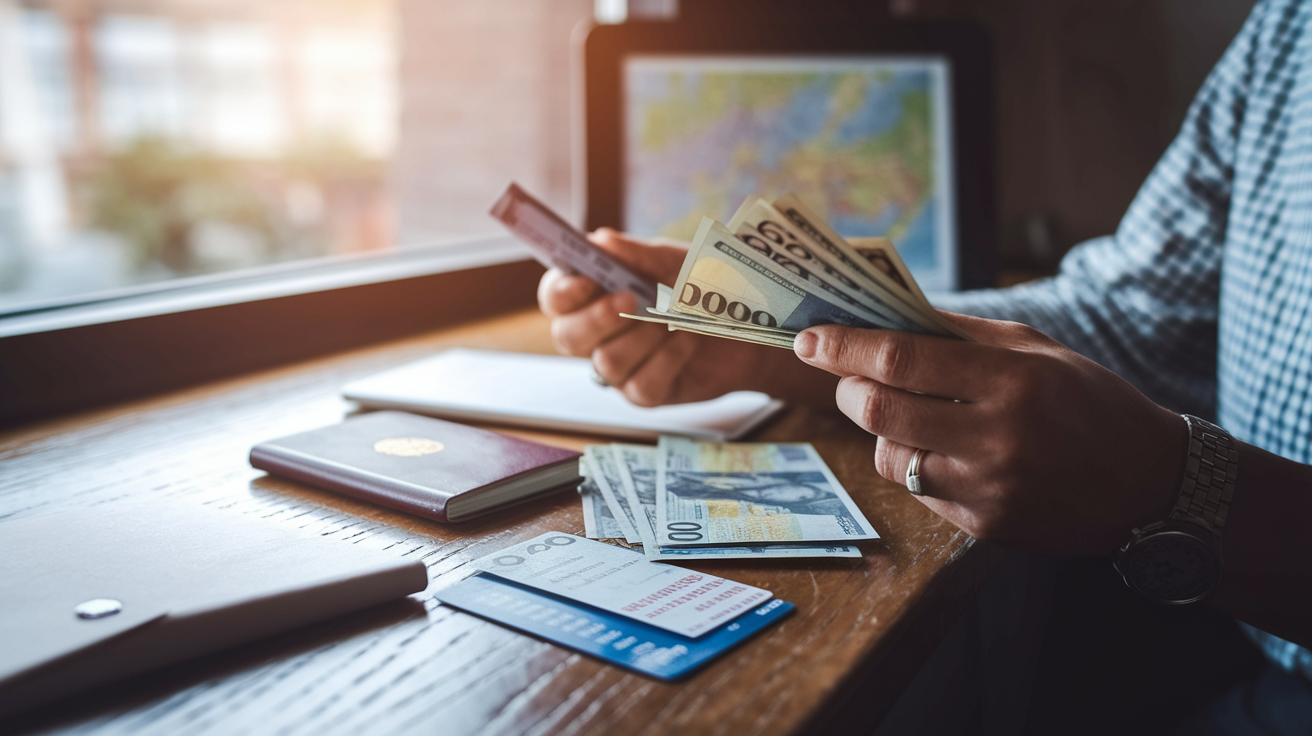
The smartest way to protect your money abroad starts before you pack. Exchange a small amount of currency at your local bank before you leave. Airport exchange desks charge the highest conversion fees, sometimes 10% or more. At ATMs and point-of-sale terminals, always choose to pay in local currency, not your home currency. Choosing home currency triggers Dynamic Currency Conversion (DCC), which adds a convenience markup that can run several percentage points above the standard exchange rate.
Keep a low profile when handling money. Don’t pull out a thick wad of bills at a market stall or fumble through unfamiliar notes in a crowded queue. Learn what the local currency looks like before you arrive. Euro notes are easy once you know the colors: 5 is grayish, 10 is red, 20 is blue. Carry smaller denominations so you can pay exact amounts without flashing large bills. Your everyday spending wallet should sit in your front pants pocket or a secure purse, not a back pocket or loose bag. Replenish it privately, never in a public queue or busy street.
The core philosophy is distribution and discretion. Never keep all your cash and cards in one place. If you lose your daypack or someone pickpockets your wallet, you should still have backup funds you can access. Keep your money belt hidden under loose clothing and use it as a reserve, not your daily till. When you need to move cash from the belt to your wallet, step into a restroom or quiet corner. Never dig under your shirt in the middle of a train station.
Quick-action safety tactics for first-time travelers:
- Exchange currency at a local bank before departure to avoid airport markups.
- Choose local currency at every ATM and card terminal to skip DCC fees.
- Carry only small denominations and avoid counting cash in public.
- Learn the local currency appearance so you can pay quickly and confidently.
- Keep your everyday wallet in a front pocket or secure purse, not a back pocket.
- Replenish your wallet in private. Never access a hidden money belt in public view.
Practical Methods for Transporting Cash While Traveling
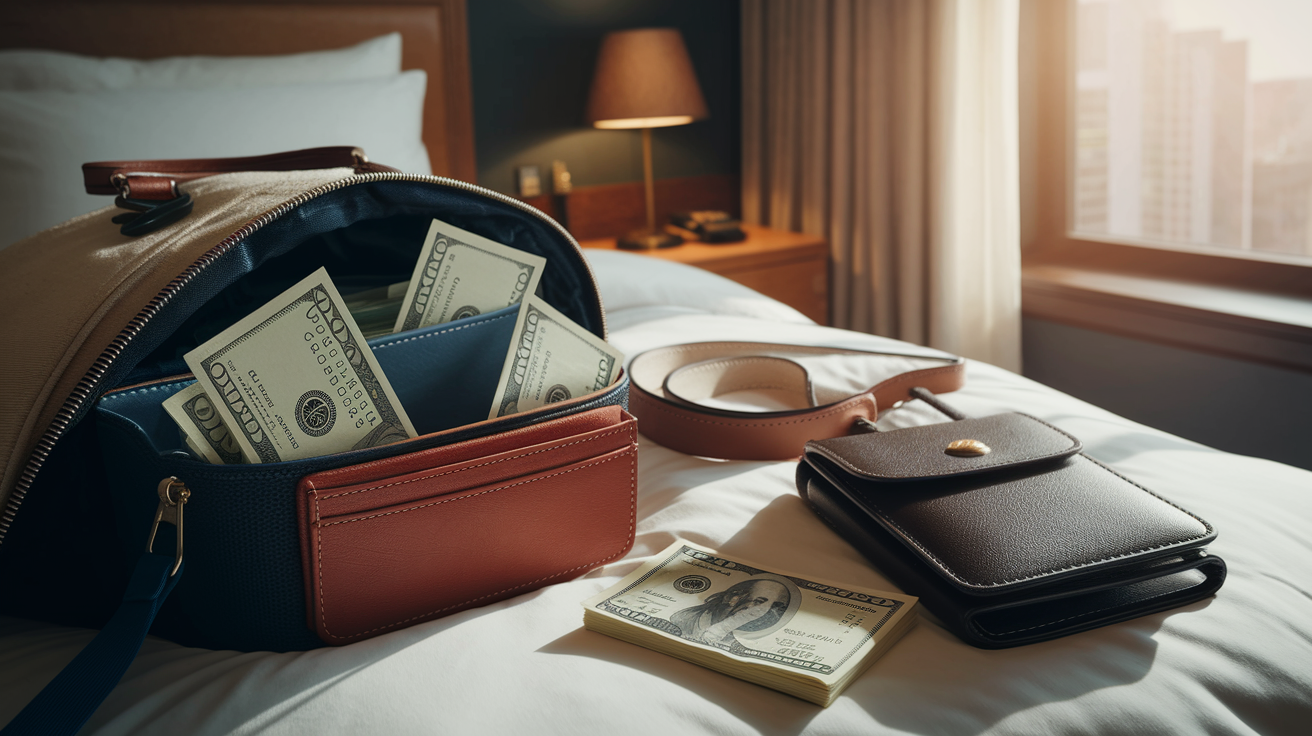
Carry enough cash for one to three days of small expenses: street food, tips, local taxis, market purchases, and admission fees where cards aren’t accepted. Beyond that amount, rely on cards and ATM withdrawals. A good rule is to keep about 20–30% of your total trip cash on your person for daily use and store the rest securely at your lodging or split across travel companions.
Split your cash into two or three separate locations so losing one item doesn’t wipe you out. On flights, keep cash either on your person or in a bag under the seat in front of you, not in the overhead bin. If someone rifles through overhead luggage, you’ll notice what’s under your feet much faster. When going through TSA security, remove everything from your pockets. Coins and small items trigger additional screening. If you’re worried about leaving your wallet exposed on the conveyor, tuck it into an inside pocket of your carry-on before it goes through the scanner.
Where to store cash during your trip:
- On your person: Front pocket or inner jacket pocket for quick daily access (enough for meals and transport).
- Under-seat bag on flights: Small daypack or purse with enough cash for arrival day, kept within arm’s reach.
- Hidden on your body: Money belt or concealed pouch under clothing for larger backup amounts (replenish wallet from here in private).
- At your lodging: Hotel safe or locked luggage for the bulk of your trip cash when you’re out exploring.
- Spread across companions: If traveling with a partner or group, each person carries a portion so one theft doesn’t strand everyone.
Know the legal limits. When entering or leaving the U.S., you must declare if you’re carrying $10,000 or more in cash or monetary instruments. Complete FinCEN Form 105 and, for international arrivals, CBP Form 6059B. Failing to declare can result in seizure and penalties. Check the entry and exit rules for your destination country as well. Some enforce lower thresholds.
Secure Travel Wallets, Money Belts, and Anti-Theft Gear
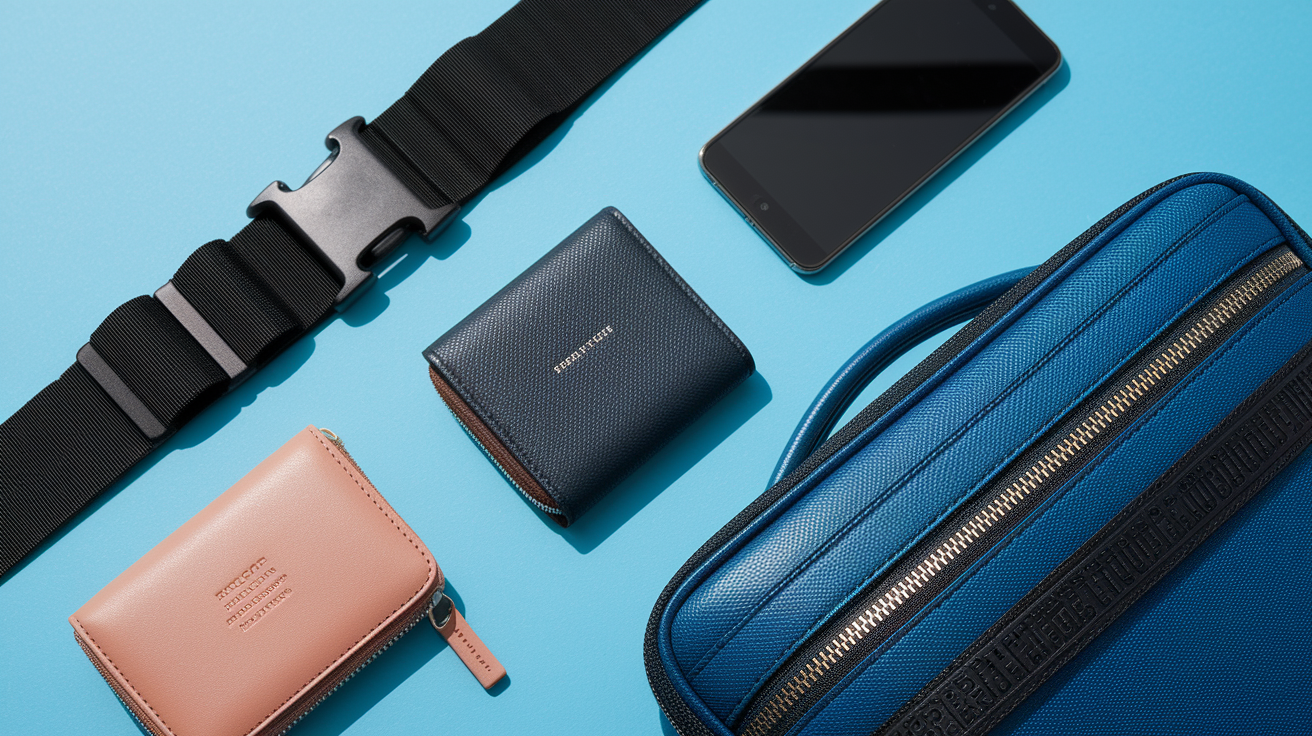
The right gear reduces your chance of loss and makes it harder for pickpockets to work. A money belt worn under your clothes is your best reserve. It should hold backup cash, a spare card, and maybe a photocopy of your passport. The belt itself stays hidden under a loose shirt or waistband throughout the day. Don’t keep all your money there. Use it as a safe to replenish your everyday wallet, and only access it in a private spot like a restroom or your hotel room.
A good travel wallet or purse is what you use for day-to-day payments. Look for RFID-blocking material to protect against contactless skimming, multiple zipped compartments to organize cards and receipts, and a slim profile so it fits a front pocket. Cross-body bags worn on the front of your body are safer than backpacks because you can see them at all times. Reinforced straps and quality zippers, preferably locking zippers, make slash-and-grab attempts much harder.
Money Belts
Wear a money belt under your clothes so the pouch sits against your skin or just inside your waistband. Choose one made from breathable, pickpocket-resistant fabric with a low-profile buckle that won’t show through a shirt. The belt should have at least two compartments so you can separate cash from cards and documents. Use it to store larger denominations and your backup debit or credit card. Never pull it out in public. Replenish your front-pocket wallet in a restroom or back at your lodging.
Travel Wallets
A dedicated travel wallet offers RFID-blocking and organized compartments for multiple currencies, boarding passes, and cards. Unlike a money belt, you’ll carry this in a pocket or purse, so choose one that’s compact enough for a front pants pocket or a secure inner jacket pocket. Zipped closures are essential. Some wallets include a wrist strap or small clip so you can tether it inside a bag. Travel wallets are more theft-prone than money belts because they’re accessible, so never store all your cash or your primary card here.
Anti-Theft Bags and Hidden Compartments
Anti-theft bags feature slash-resistant panels, locking zippers, and hidden pockets designed to foil pickpockets. A cross-body sling bag worn on your chest is ideal for crowded markets and public transport. Some backpacks include a concealed back-panel pocket that sits against your spine, accessible only when you remove the pack. For ultra-low-profile backup, hidden-pocket clothing and shoe wallets let you stash a folded emergency bill where thieves won’t think to look.
How to Keep Your Cards Safe While Traveling
Start by notifying your bank and credit card issuers of your travel dates and destinations. Many banks monitor for unusual activity, and an unannounced foreign transaction can trigger an automatic freeze. Write down each card’s international customer-service number and store it separately from the card itself. If your card is lost or stolen, you’ll need that number to report it immediately.
Carry at least two cards and keep them in separate places. Your primary card goes in your everyday wallet; a backup card stays in your money belt or hotel safe. Prefer credit cards over debit cards for purchases because credit cards offer stronger fraud protection and dispute rights. If someone makes an unauthorized charge, your checking account isn’t directly drained while you wait for resolution. Check your card’s foreign transaction fees before you leave. Some cards charge a couple of pounds per transaction, which adds up over a two-week trip. Zero-foreign-transaction-fee cards and prepaid travel cards save you that markup.
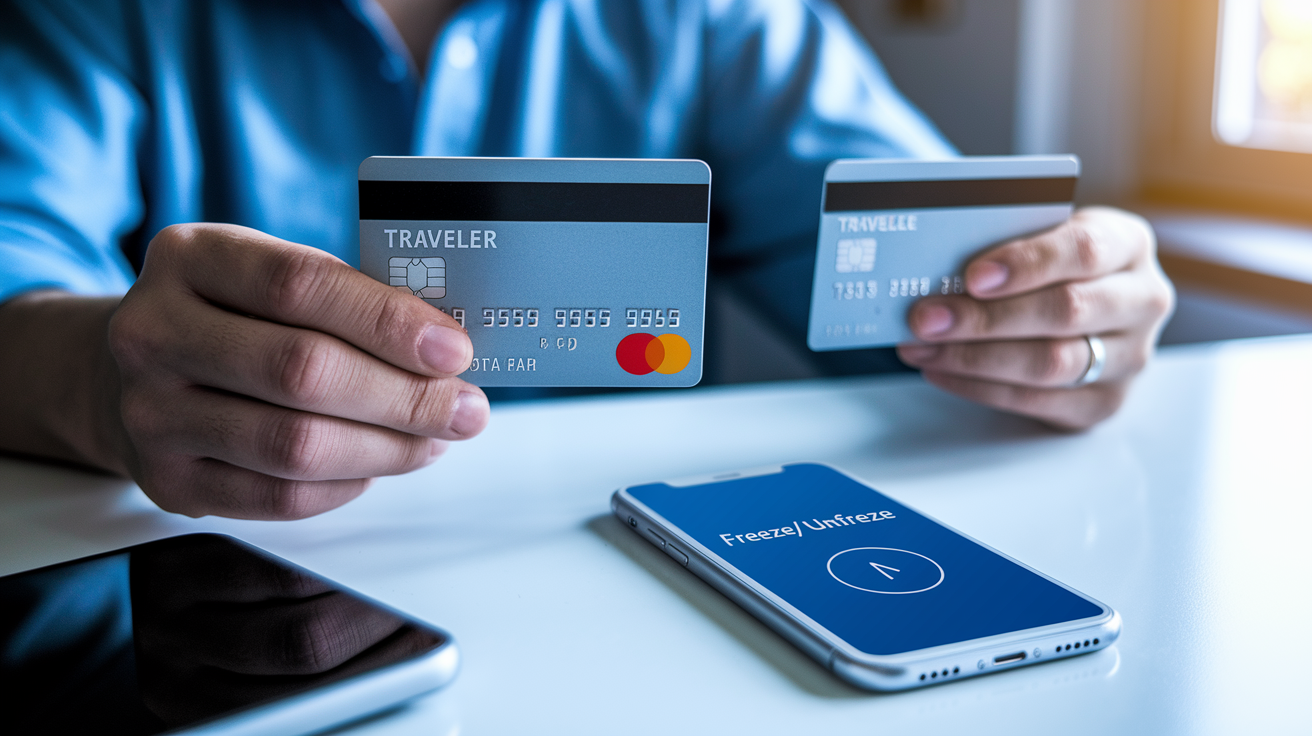
Choose cards that support instant freeze and unfreeze via a mobile app. If your card goes missing, you can lock it with a tap and unlock it just as fast if you find it again. Enable transaction alerts so you get a text or push notification for every charge. Review those alerts daily. If you see a charge you didn’t make, report it right away. Keep your card’s chip-and-PIN active and memorize your PIN. Never write it on the card or keep it in the same wallet.
Six card-safety steps for travelers:
- Notify your bank of travel dates and destinations to prevent automatic fraud blocks.
- Carry two cards from different issuers and store them in separate locations (wallet and money belt).
- Use credit cards for purchases to keep your checking account protected during disputes.
- Enable mobile-app freeze/unfreeze and transaction alerts for real-time monitoring.
- Check for foreign transaction fees and switch to a zero-fee card or prepaid travel card if needed.
- Memorize your PIN, never share it, and cover the keypad with your hand when entering it.
ATM Safety and Preventing Skimming Abroad
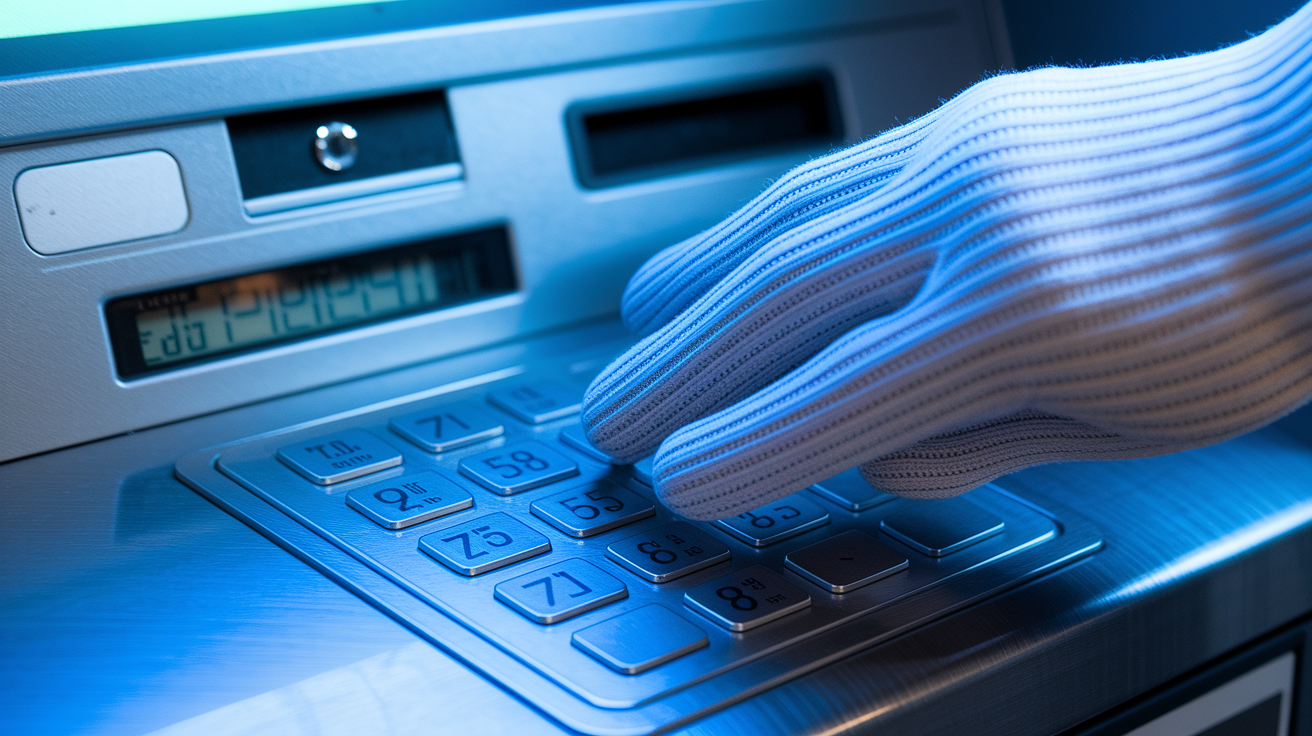
Use ATMs attached to bank branches whenever possible. Bank-operated machines are inspected regularly, monitored by security cameras, and less likely to have skimming devices installed. Standalone ATMs in convenience stores, bars, or tourist-heavy side streets are higher risk. Avoid using any ATM at night in an isolated or poorly lit area. Come back during daylight hours or find a machine inside a shopping mall or airport terminal.
Before you insert your card, inspect the machine. Tug gently on the card slot and PIN pad. Skimmers are often loose overlays that wobble or come off with light pressure. Look for anything that seems out of place: an extra camera angle pointing at the keypad, a bulky card reader, or scratches around the slot. If something feels wrong, walk away and find another ATM. Always cover the keypad with your free hand when you enter your PIN, even if no one is standing nearby. Hidden cameras can capture your code from above.
| ATM Type | Risk Level | Recommended Use |
|---|---|---|
| Bank branch ATM (daylight) | Low | Best choice: monitored, inspected, and inside secure perimeter |
| Standalone ATM (shop/bar) | Medium | Use only if well-lit and busy; inspect carefully for skimmers |
| Isolated ATM at night | High | Avoid. Higher theft and skimming risk; return during daylight |
| Airport or mall ATM | Low to Medium | Acceptable if inside secure area; avoid those in unsecured lobbies |
Currency Exchange and International Payment Safety Tips
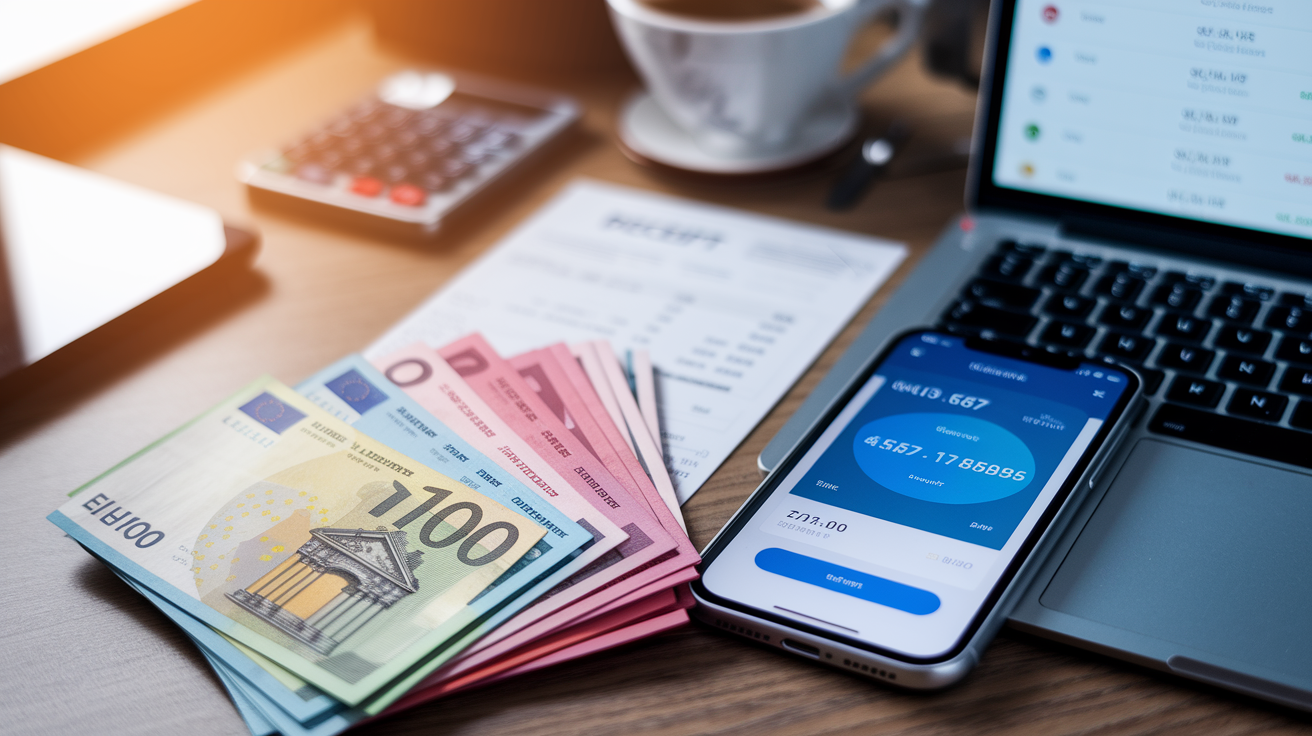
Exchange a small amount of local currency at your home bank before departure. You’ll avoid the rush and the steep markups at airport kiosks, which can charge 10% or more in fees and unfavorable rates. If you do need to exchange on arrival, use an official exchange bureau inside the secure airport area or at a downtown bank branch, not a street-corner booth or a freelance money changer offering “great rates.”
Never hand over a thick bundle of bills to a shop clerk or taxi driver. Count out the exact fare or close to it, and keep the rest of your cash out of sight. Learning the appearance of local currency before you arrive speeds up transactions and helps you avoid fumbling. When you can spot a 20-euro note by its blue color without reading the number, you’ll pay faster and draw less attention. Use contactless payments and digital wallets like Apple Pay or Google Wallet where accepted. These methods keep your physical card in your pocket and generate one-time transaction codes that are useless to skimmers.
Four rules for safer currency exchange:
- Exchange currency at your local bank before you leave to lock in better rates and skip airport kiosks.
- Use official exchange bureaus inside airports or downtown bank branches, never street-corner traders.
- Avoid counting large stacks of cash in public. Keep transactions quick and discreet.
- Pay with contactless or digital wallets when possible to reduce card exposure and skimming risk.
Backup Payment Methods and Emergency Plans Abroad
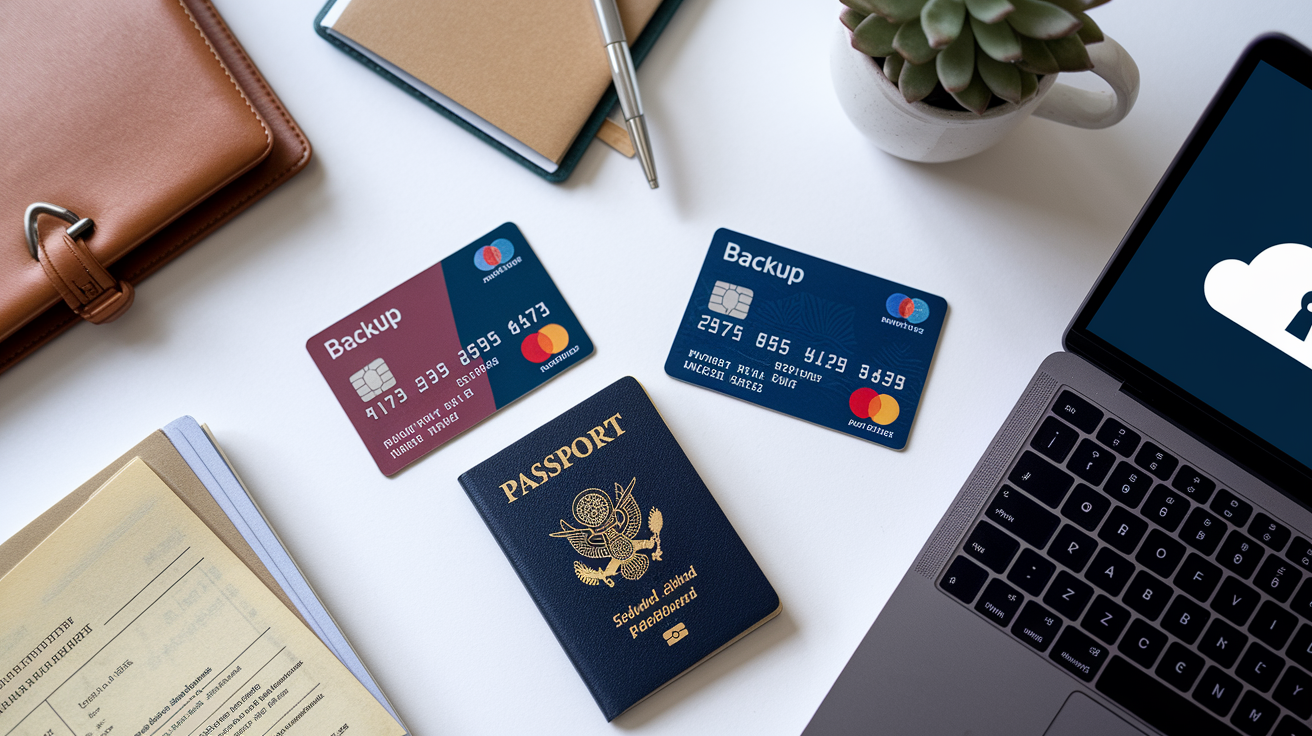
Before you leave, make two copies of the front and back of every card you’re bringing, plus the photo page of your passport. Keep one set in your luggage and leave another with a trusted contact at home. Store digital scans in a secure cloud folder or password-protected email draft. If your wallet is stolen, you’ll have account numbers and international contact details ready to go.
Pack at least one backup card from a different issuer and keep it separate from your primary wallet. If your everyday card is blocked or stolen, the backup gets you cash and keeps you mobile. Record the international customer-service number for each card and your bank. When you call to report a lost or stolen card, the bank will freeze the account, issue a replacement, and sometimes arrange emergency cash delivery to your hotel or the nearest branch.
If your cash or cards are stolen, report the theft to local police immediately and get a written copy of the police report. Your travel insurer will require it for any claim. Contact your bank right away using the international number you recorded. If your passport is also missing, reach out to the nearest embassy or consulate. They can issue an emergency travel document and, in some cases, help arrange emergency funds or a short-term loan to get you home.
What to do if you lose money or cards abroad:
- Report the theft to local police and obtain a written police report for your insurer.
- Call your bank’s international number immediately to freeze cards and request replacements.
- Contact your travel insurer with the police report, receipts, and any photos of lost items.
- Reach out to your embassy or consulate if your passport is stolen. They can issue emergency documents.
- Use your backup card or emergency cash stash to cover immediate expenses while replacements arrive.
Storing Cash and Cards in Hotels and Luggage
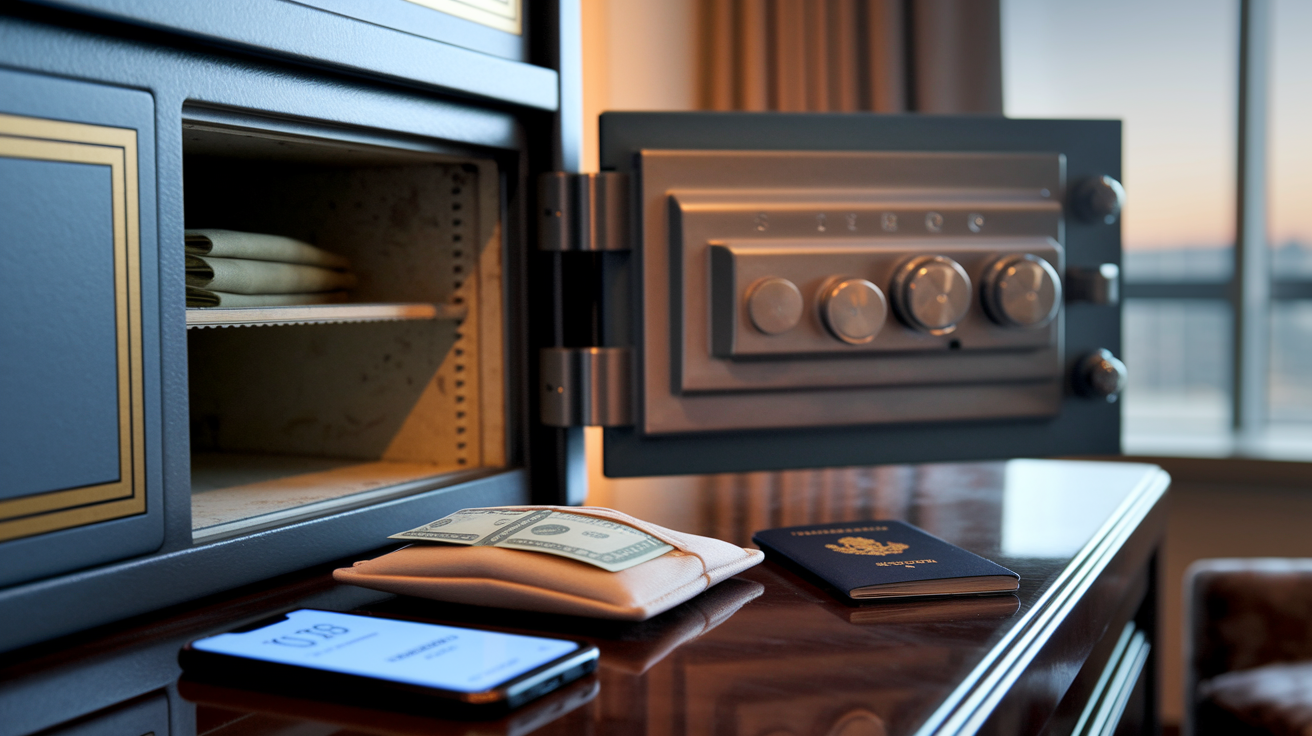
Use the hotel safe if your room has one. Store the bulk of your trip cash, your backup card, and a photocopy of your passport there when you’re out for the day. Choose a PIN that isn’t obvious. Avoid your birthday, repeated digits, or simple sequences like 1234. Before you place anything inside, take a quick photo of the items on your phone so you have a timestamped inventory. If something goes missing, that photo supports your insurance claim.
If your room doesn’t have a safe, ask the front desk if the hotel offers a safety-deposit service. Some lodgings will store valuables in a secure office safe. When you’re moving between cities, keep your reserve cash in a hidden compartment inside your main luggage, not an outer pocket or the top of your bag. Lockable zippers on your suitcase add a small deterrent, and a luggage strap with a combination lock makes it harder for opportunistic theft in transit.
Three hotel and luggage security tips:
- Set a non-obvious hotel-safe PIN and photograph items before storing them for insurance records.
- Use hotel safety-deposit services if your room safe is missing or broken.
- Store reserve cash in a hidden luggage compartment with lockable zippers during transit.
Cash vs Cards: When to Use Each Abroad
Cash is essential for street food, market stalls, tips, small-shop purchases, and any place that doesn’t accept cards. In rural areas and developing countries, cash is often the only option. It also helps you budget in real time. When the notes are gone, you know you’ve hit your daily limit. Cards are better for larger purchases, hotels, and any transaction where you might need a refund or dispute protection. Credit cards offer purchase protection for single items between £100 and £30,000 under consumer credit law, which cash never will.
Prepaid travel cards combine the best of both: you load them with funds before you leave, they lock in favorable exchange rates with zero added foreign-transaction fees, and you can freeze or unfreeze them instantly via an app if the card goes missing. They work anywhere that accepts Mastercard or Visa, and many support Apple Pay or Google Wallet for contactless payments. For multi-country trips, consider keeping separate small wallets for each currency, one for euros, another for Swiss francs, so you don’t mix denominations and overpay by mistake.
Decide your cash-versus-card split by estimating daily spending, checking whether your cards charge foreign-transaction fees, and researching your destination’s payment culture. Sweden and other Nordic countries are trending cashless, so you’ll use cards almost exclusively. In contrast, parts of Southeast Asia, Latin America, and Africa remain heavily cash-based. If you’re heading somewhere remote, withdraw enough cash in a city before you leave; ATMs and card terminals can be scarce or unreliable in small towns and national parks.
| Payment Type | Best Use-Cases |
|---|---|
| Cash | Street food, markets, tips, taxis, rural vendors, backup when cards fail |
| Credit Card | Hotels, large purchases, rentals, anything requiring dispute or purchase protection |
| Debit Card | ATM withdrawals, budget-conscious travelers who want to avoid credit-card interest |
| Prepaid Travel Card | Multi-country trips, zero FX fees, instant freeze/unfreeze, contactless and app control |
Final Words
Start by making money handling a simple routine: reduce visibility, split funds, and favor local currency when paying or withdrawing.
You’ve got practical steps on where to carry cash, which gear helps, how to protect cards, how to spot sketchy ATMs, and how to set up backups if something goes wrong.
Use these rules now to decide how to safely carry cash and cards abroad. Small bills, a hidden backup, and a pre-set bank notice are three quick wins. Travel confidently. You’ve prepared well.
FAQ
Q: How to carry cash when traveling internationally?
A: Carrying cash when traveling internationally means splitting money between two or three places, keeping small bills for daily use, avoiding showing large amounts, and using ATMs for local currency to avoid DCC fees.
Q: What is the $10,000 cash rule?
A: The $10,000 cash rule requires declaring cash and monetary instruments totaling $10,000 or more when entering or leaving the U.S., using FinCEN Form 105; lower thresholds may apply elsewhere, so check local customs rules.
Q: What is the most forgotten item when traveling?
A: The most forgotten item when traveling is a phone charger or plug adapter; pack chargers and a small adapter in your carry-on so you can top up during long waits or tight connections.
Q: Can I carry $1000 in an international flight?
A: You can carry $1000 on an international flight; it’s below the U.S. declaration threshold, but check the destination’s rules, keep cash split and concealed, and avoid flashing large sums at airports.