

Think packing for hot, humid travel means a closet full of cotton? Think again.
Bring fabrics that dry fast, double-duty pieces, and a tiny toolkit for sweat, bugs, and quick laundry.
This guide gives a one-week, travel-tested packing list and clear rules of thumb so you pack light and stay cool.
You’ll get what to wear, shoes that won’t blister, cooling tools, insect and hydration tips, and simple laundry tricks.
Follow the defaults here and you can travel comfier with a smaller bag and less stress.
Essential Hot and Humid Climate Packing Breakdown
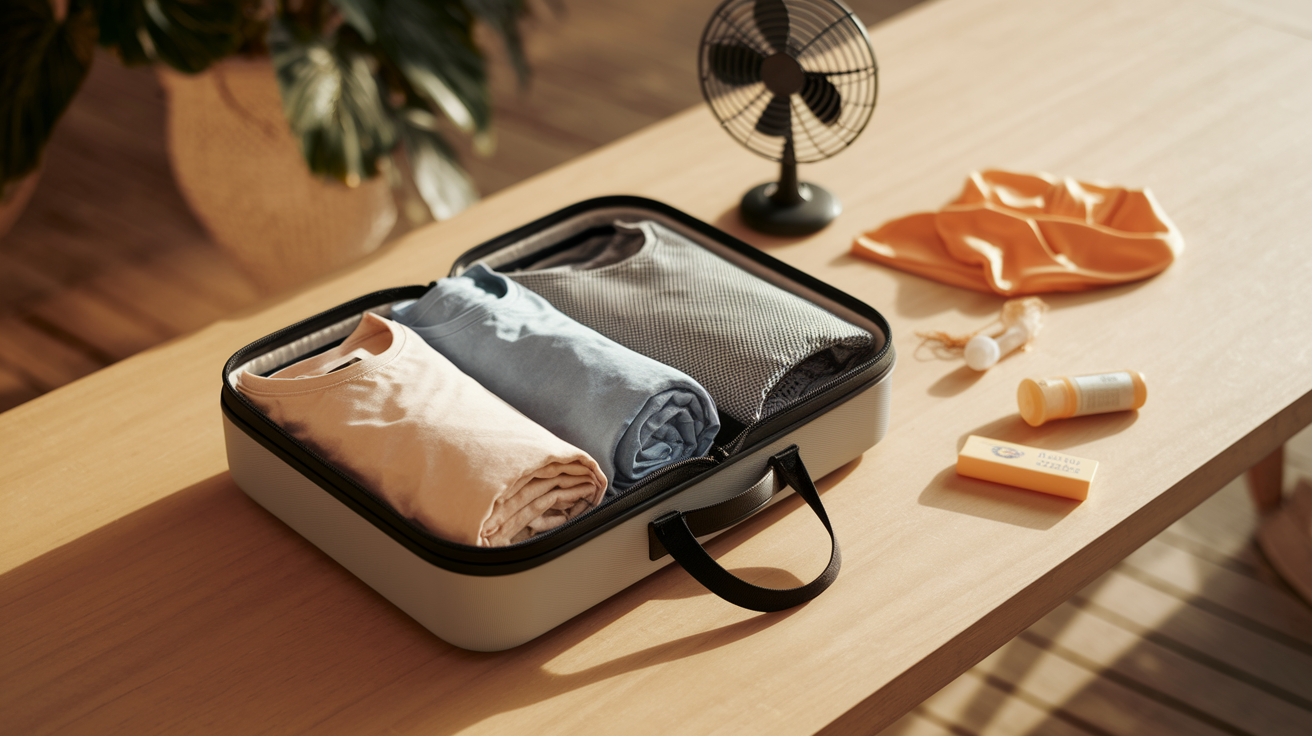
Pack a week’s worth of clothes and plan to wash during your trip. Quick-dry fabrics cut drying time, lighter colors hide sweat stains, and loose fits let air circulate instead of trapping heat against your skin.
Your goal is a small bag that holds what you need without weighing you down when you’re climbing stairs, boarding boats, or walking in full sun. If you can picture yourself hauling your suitcase up a flight of stairs after a long flight, you already know why keeping it light matters.
Focus on items that pull double duty. A linen shirt works for dinner and sightseeing. A quick-dry swimsuit can be rinsed in the sink and worn again the next morning. A damp scarf around your neck cools you faster than changing your outfit twice.
Hot and Humid Climate Essentials Checklist:
- 4–5 lightweight shirts in neutral tones (white, cream, ecru)
- 1–2 pairs quick-dry shorts with loose fit
- 1–2 breathable dresses or jumpsuits
- 4–6 pairs moisture-wicking underwear (modal or mesh)
- 1 pair blister-free sandals with adjustable straps
- 1 pair mesh sneakers or slip-ons
- 1 open-weave sun hat with chin strap
- 1–2 quick-dry swimsuits
- Small handheld or collapsible fan
- Reef-safe sunscreen and anti-chafe balm
- Compact day bag with space for water bottle
- Dampable scarf or bandana for neck cooling
Breathable Clothing Choices for Hot and Humid Travel

Linen breathes better than almost any other fabric because of its open weave. Pack a linen button-down, loose linen pants, or a linen dress. It dries quickly after washing and gets softer with each wear, even if it wrinkles easily. If wrinkles bother you, bring a small bottle of wrinkle-release spray or a portable steamer the size of a travel mug.
Washable silk works day-to-night and regulates temperature without adding bulk. A silk slip dress or silk top can be rinsed in the sink, hung to dry overnight, and worn again the next evening. Silk wicks moisture away from your skin and dries faster than cotton. Modal, made from beech tree pulp, is another smart choice for undergarments because it prevents chafing, dries quickly, and stays breathable even when you’re sweating through a long walk or hike.
Don’t pack too much cotton for active humid travel. Cotton holds odors, takes forever to dry, and loses its shape after a few washes. Choose polyester or nylon blends for hiking shorts, lyocell or viscose for dresses, and merino wool for shirts if you want moisture-wicking performance without the synthetic feel.
Footwear Best Suited for Hot and Humid Conditions
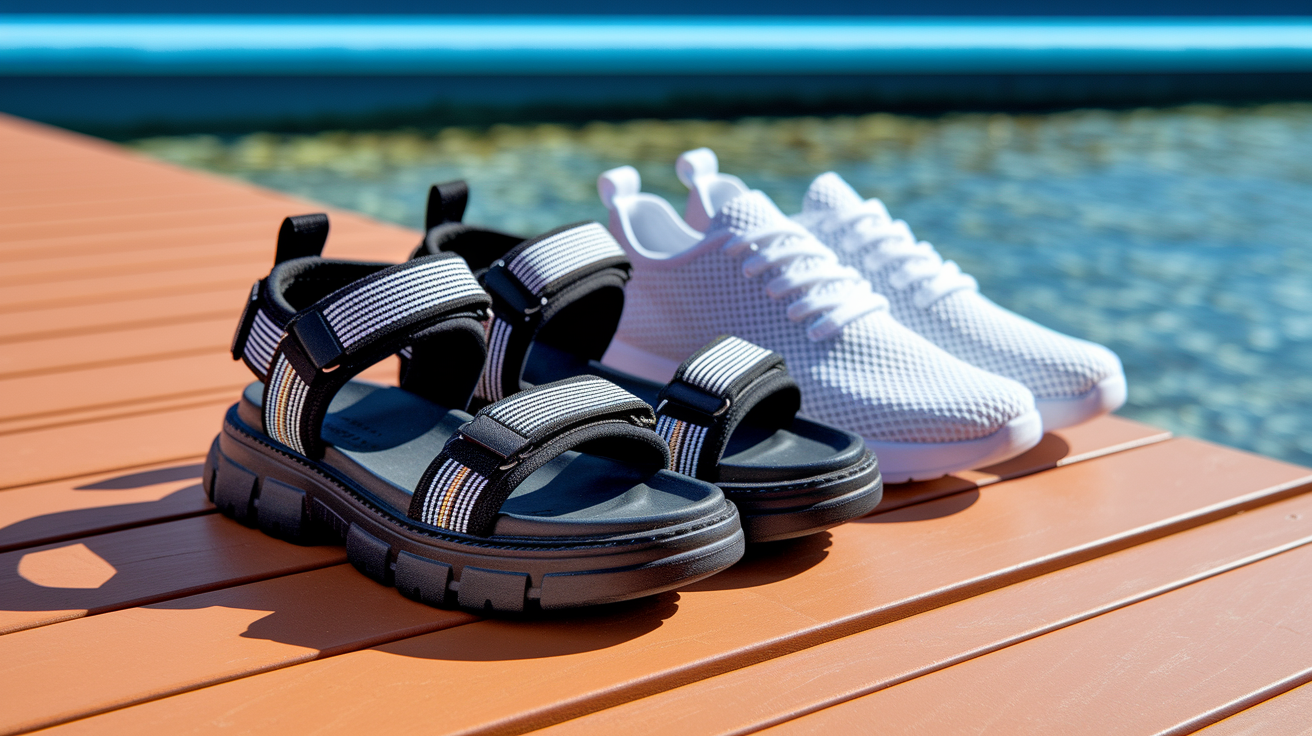
Look for sandals with a thick sole to keep your feet off hot pavement, a snug heel strap so they don’t flap when you walk, and adjustable straps for a custom fit. Skip slides and mules in humid destinations because they require constant grip with your toes and cause blisters faster. Avoid suede or leather footbeds if you’ll be sweating or near water. Go with rinseable materials instead.
Mesh sneakers or woven slip-ons keep your feet cooler than solid leather or canvas styles. A white or light-colored sneaker reflects heat better than dark shoes. Test any walking shoes before you travel. Breaking in a brand-new pair on trip day is a mistake you only make once.
Footwear Quick Reference:
- Bring one pair of trekking or sport sandals with adjustable straps
- Pack one pair of mesh sneakers or breathable slip-ons
- Add one pair of closed-toe water shoes if you’re visiting rocky beaches or volcanic shorelines
- Test all shoes at home with a 30-minute walk before packing
- Choose rinseable materials over suede or leather for humidity and sweat
Sweating, Cooling, and Toiletry Essentials for Humid Destinations

Anti-chafe balm prevents irritation on long walks. If you’ve ever finished a 4.5-hour hike with painful chafing, you already know why this matters. Apply it to inner thighs, underarms, or anywhere fabric rubs skin before heading out for the day.
Standard deodorant might not be strong enough in extreme humidity. Consider upgrading to a 48-hour antiperspirant if you’ll be outside most of the day. A portable fan roughly the size of a Kindle Paperwhite can run on high all night without losing charge and makes a huge difference when air conditioning is weak or the outlet is far from the bed. Some models double as a portable battery bank for your phone.
Cooling and Sweat Management Essentials:
- Anti-chafe balm or Body Glide
- 48-hour antiperspirant (standard deodorant often isn’t enough)
- Small handheld or collapsible fan
- Cooling facial mist for quick relief
- Reef-safe sunscreen for ocean and snorkel days
- Aloe vera gel or SPF aloe spray for sunburn recovery
- Waterproof nipple covers for added swim support without moisture retention
- Quick-dry hair towel to speed up drying time
Swimwear, Sleepwear, and Nighttime Comfort in Humidity
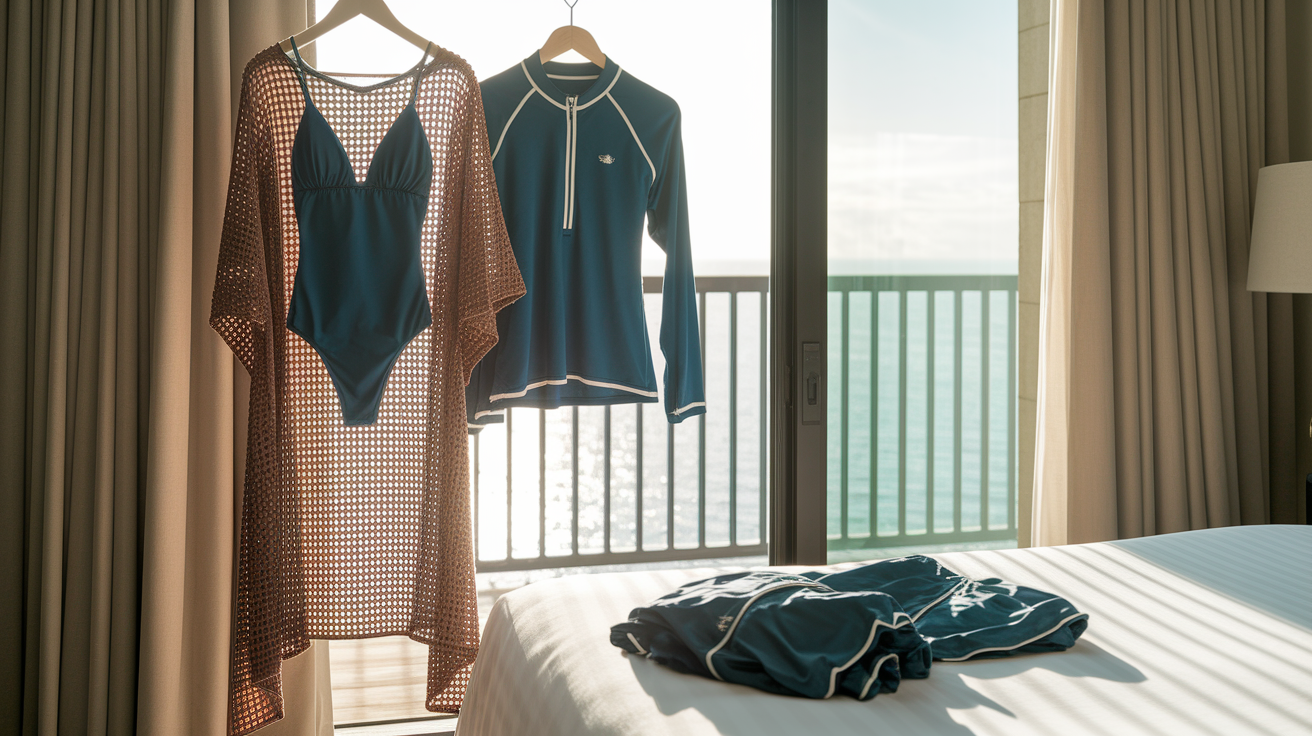
Quick-dry swimsuits can dry three times faster than traditional suits. Look for fabrics built for active snorkeling or boating rather than leisure poolside styles. Open-weave cover-ups let your suit dry faster instead of trapping moisture against your body. A zip-up rash guard protects your shoulders and back during long snorkel days and doubles as sun protection for hikes near water.
Modal or silk sleepwear keeps nights comfortable, especially in places without air conditioning. Silk wicks moisture away from your skin while you sleep and dries quickly if you need to wash it in the sink. Skip heavy cotton pajamas. They trap heat and take too long to dry in humid climates.
Day Bags, Hydration Gear, and On-the-Go Essentials for Humid Travel
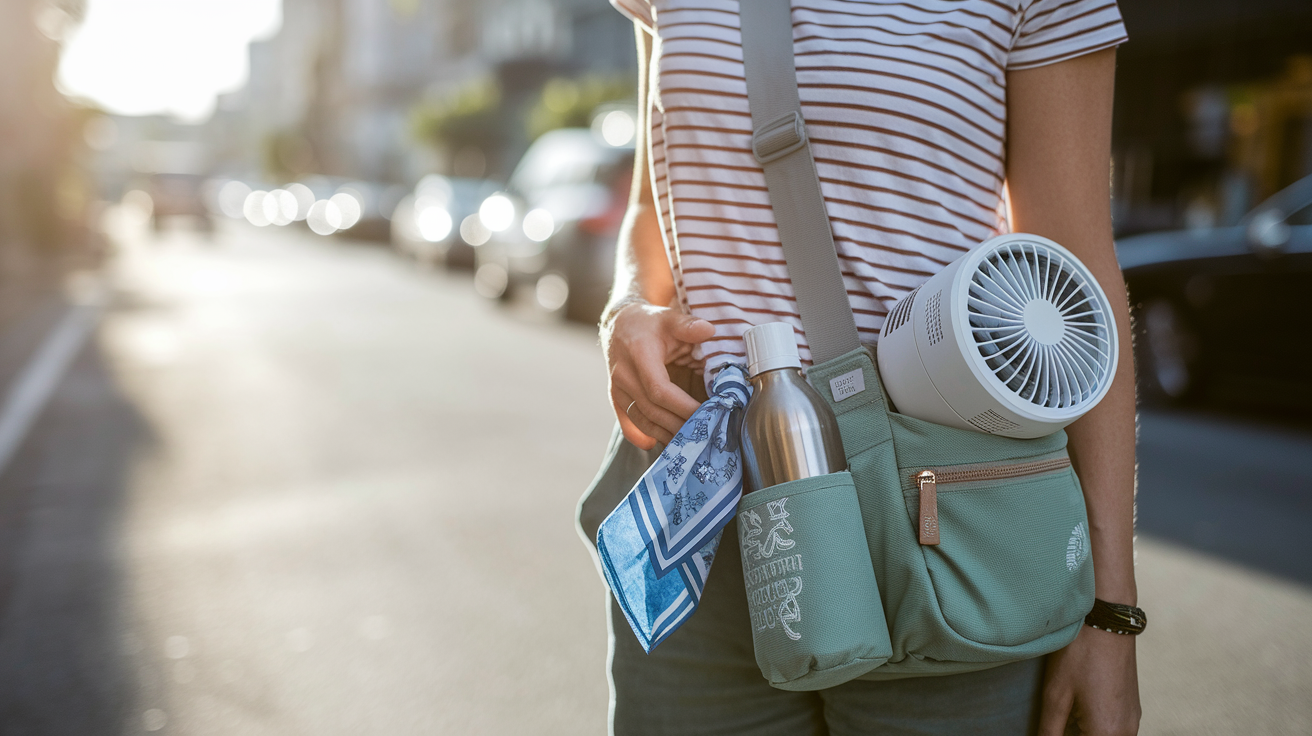
Use the smallest bag that fits your essentials. Skip backpacks that trap heat against your back. A compact crossbody or sling bag keeps weight off your shoulders and allows airflow. Make sure there’s space for a water bottle. Dehydration happens faster in humidity because you don’t always notice how much you’re sweating.
Day Bag and Hydration Checklist:
- Compact crossbody or small sling bag (avoid heat-trapping backpacks)
- Reusable water bottle or water bottle crossbody holder (2L models available)
- Electrolyte tablets or powder to prevent dehydration
- Waterproof dry bag for phone, wallet, and documents
- Portable fan that doubles as a battery bank
- Dampable scarf or bandana for neck cooling
Insect Protection and Humidity-Specific Health Items
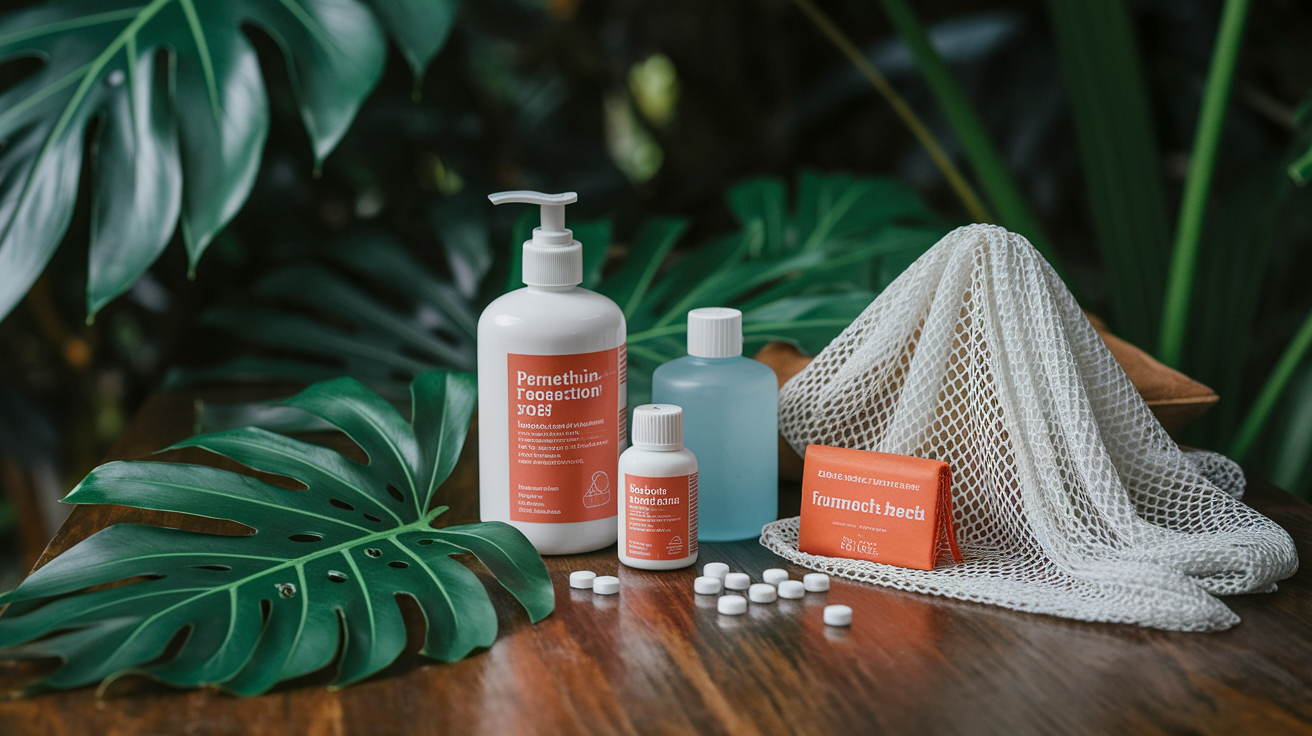
Insect repellent with DEET works best in tropical climates. Apply it after sunscreen and reapply every few hours if you’re sweating heavily. Permethrin-treated clothing adds another layer of protection without needing constant reapplication. Treat your hiking pants, long-sleeve shirts, and even socks before your trip.
A mosquito net helps in rooms with poor screens or no air conditioning. Water purification tablets support safe hydration if you’re unsure about tap water quality. Pack a small first aid kit with blister plasters, electrolyte packets, and basic heat-relief supplies. Heat exhaustion sneaks up faster in humidity because sweat doesn’t evaporate as quickly to cool you down.
Humid-Climate Laundry, Fabric Care, and Drying Strategies

Quick-dry items shorten drying time and reduce the number of clothes you need to pack. If you can pack for one week, you can pack for three months. Sink laundry with detergent sheets works well for underwear, shirts, and lightweight shorts. Hang items in a spot with airflow, not tucked inside a closed bathroom where humidity keeps everything damp.
A portable steamer the size of a water bottle helps refresh linen and silk without needing an iron. Confirm your hotel provides a steamer before you go, or bring your own. Storing wet clothes in a sealed bag or packing cube causes mildew. Always let items dry completely before putting them away, even if it means wearing the same outfit twice while the other one finishes drying.
| Method | Benefit |
|---|---|
| Sink laundry with detergent sheets | Lightweight, quick-rinse option for undergarments and lightweight tops |
| Portable steamer for wrinkled items | Refreshes linen and silk without needing a full iron or ironing board |
| Hang clothes in open-air spots, not closed bathrooms | Airflow speeds drying; enclosed humid bathrooms keep fabrics damp and cause mildew |
Packing Organization and Moisture-Proof Electronics Storage

Silica gel packets prevent moisture buildup inside your luggage. Toss a few into your suitcase, camera bag, and electronics pouch. Waterproof phone pouches protect against rain, boat spray, and sweat. Store your phone, wallet, and important documents in zip-top bags as a backup layer of protection.
Moisture-Proof Packing Tips:
- Add silica gel packets to luggage, camera bags, and electronics pouches
- Use waterproof phone pouches for beach days, boat trips, and rain
- Store passports, tickets, and cards in zip-top bags
- Keep electronics away from wet clothing after swim or beach days
- Pack light to reduce heat strain when carrying your bag in full sun
Final Words
Pack light and prioritize quick-dry, breathable layers, cooling tools, and moisture-proof storage. Start with the essentials: 4–5 shirts, a swim set, one pair of sandals and mesh sneakers, a lightweight hat, and a compact day bag.
Choose multi-use pieces, test shoes before you go, and bring basic sweat and insect protection. Plan for sink-wash laundry and a simple drying routine so clothes stay fresh.
Treat this packing list for hot and humid climates as a simple checklist. Pack smart, stay cool, and enjoy the trip.
FAQ
Q: What should I pack for hot and humid climates?
A: For hot and humid climates, pack 4–5 lightweight breathable shirts, 2–3 quick‑dry bottoms, moisture‑wicking underwear, blister‑free sandals, mesh sneakers, open‑weave hat, swimwear, compact day bag, sunscreen, hydration, and a cooling tool.
Q: How many shirts, shorts, and undergarments should I bring?
A: You should pack 4–5 lightweight shirts, 2–3 breathable bottoms, and one quick‑dry undergarment per day—or four to seven pairs if you prefer fresh daily items.
Q: Which fabrics work best in hot, humid travel?
A: The best fabrics for humidity are linen and open‑weave pieces for airflow, washable silk for day‑to‑night use, and modal undergarments to reduce chafing; avoid heavy cotton that holds moisture.
Q: What footwear is best for heat, sweat, and wet terrain?
A: You should bring a blister‑free sandal with a supportive sole and snug heel strap, light mesh walking sneakers, and water shoes for rocky or slippery shorelines; break them in before the trip.
Q: How can I manage sweating and stay cool on hot days?
A: To manage sweating, use a strong antiperspirant, talc‑free powder, anti‑chafe balm, cooling facial mist and a portable fan or damp scarf to lower skin temperature during long outdoor days.
Q: What swimwear and sleepwear are best for humid nights and water days?
A: For swimwear and sleepwear, choose quick‑dry swimsuits, open‑weave cover‑ups, modal or silk sleepwear, and a breathable sleep liner to stay comfortable in warm rooms without reliable air conditioning.
Q: What should I carry in my day bag to handle heat and hydration?
A: For day trips, carry a compact daypack with a reusable water bottle (filter or electrolyte tablets), a waterproof dry bag for electronics, sunscreen, a small portable fan, and a lightweight rain cover.
Q: How do I protect myself from insects and heat-related issues?
A: To protect against insects and heat problems, use DEET repellent, permethrin‑treated clothing, bring a mosquito net if needed, pack water purification tablets, and include electrolytes and blister care in your kit.
Q: How should I handle laundry and drying in humid places?
A: For laundry in humidity, plan sink washes for quick‑dry items, pack detergent sheets and a collapsible clothesline, use a portable steamer for linen or silk, and never store damp clothes to avoid mildew.
Q: How do I keep electronics and documents safe from moisture?
A: To protect electronics and documents, use silica gel packets and waterproof pouches, store devices away from wet clothing after swim days, and keep important papers in zip‑top bags.