

Think buying a day pass for a short trip is a waste of money?
Not always.
A day pass starts to pay off by the third ride, and fare-capping or smart cards can make multi-stop errands suddenly free after a few taps.
This post gives clear rules of thumb you can use today: when singles win, when a day or multi-day pass saves cash, and how to use apps, transfer windows, and zone rules to plan short trips without surprise charges.
Simple steps, real examples, quick checks.
Choosing the Right Local Transit Pass for Short-Trip Planning

A day pass starts paying off when you’re planning three or more rides in the same day. Single fare at $2.75 means your third ride costs you $8.25 total. The $7 day pass saves at least $1.25. Two rides for a quick grocery run won’t break even. But throw in a coffee meetup or pharmacy stop and suddenly that pass is working for you. Weekend outings with four to six rides always justify it, and multi-stop errands that string together a doctor appointment, bank visit, and lunch bring you to four rides—$11 in singles versus $7 for the pass.
Smart cards and fare-capping systems take the guesswork out of multi-leg trips by tracking spending automatically. Once you hit the daily cap (often the same price as a day pass), the system stops charging for the rest of the day. Transfer windows let you switch buses or trains within a set period, usually 90 to 120 minutes, without paying twice. If your errands need you to hop between subway and bus to reach different neighborhoods, a smart card makes sure the system counts that as a single trip and applies your fare cap correctly.
Single fares make sense when you’re only making one or two rides in a 24-hour window. Buying a day pass for one doctor visit and a direct trip home wastes money—you’re spending $7 to use $5.50 worth of rides. Save single-fare tickets for isolated trips. Passes are for days with dense schedules.
Signs a pass will save money:
- Ride count: Three or more rides in one day pushes you past break-even.
- Transfers: Routes needing a bus-to-train connection eat two fares unless you’ve got a pass or transfer window.
- Combining errands: Chaining bank, pharmacy, and post office stops into one outing racks up rides fast.
- Weekend outings: Museum visits or shopping trips typically involve four to six segments with multiple stops.
- Recurring appointments: Weekly therapy or medical visits add up. Calculate monthly totals to see if a weekly or monthly pass is cheaper.
- Fare caps: Systems that cap daily or weekly charges give you unlimited rides once you reach the limit, so early heavy use triggers free rides later.
Understanding How Transit Passes Work: Validity, Zones & Restrictions
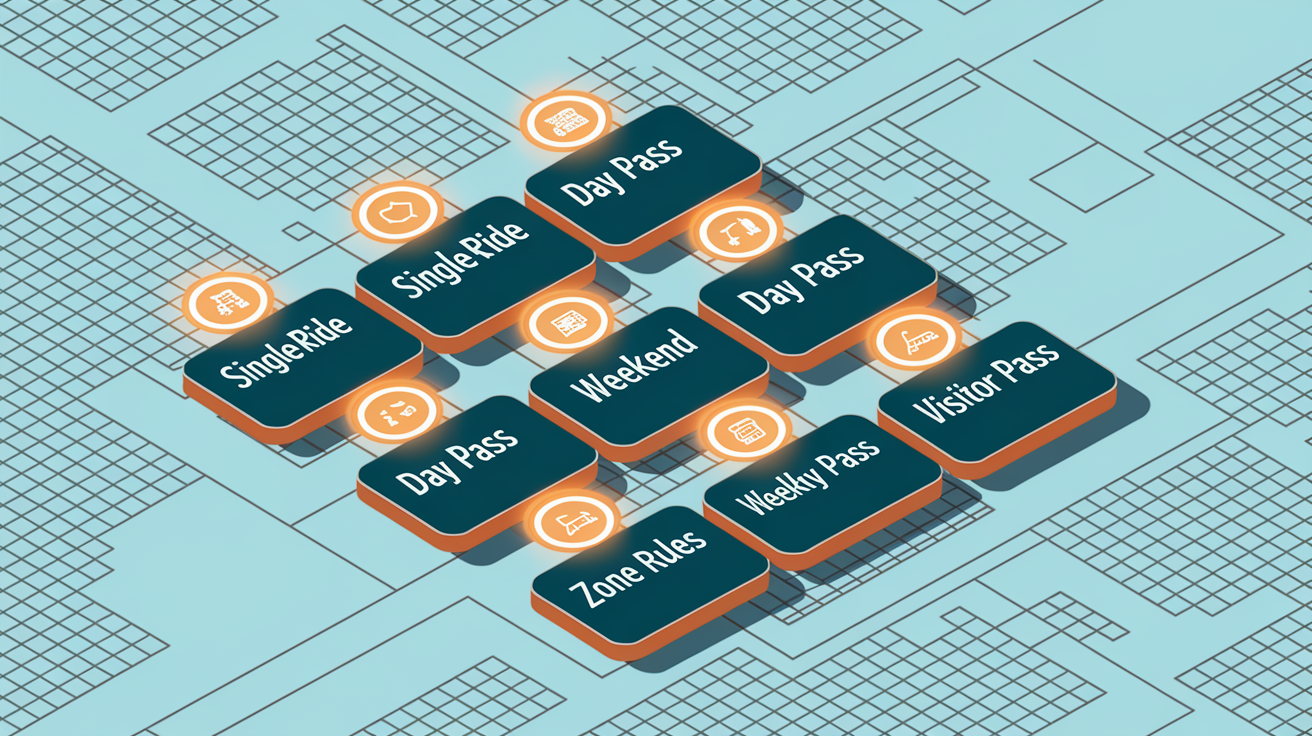
| Pass Type | Validity Structure | Restrictions / Notes |
|---|---|---|
| Single-ride | Valid for one continuous trip, including transfers within a 90–120 minute window | No re-entry; zone surcharges may apply on airport or express routes |
| Day pass | Unlimited rides within a calendar day (midnight to midnight) or rolling 24 hours | Calendar-day passes lose value if purchased after noon; rolling passes start at first tap |
| Weekend pass | Unlimited rides from Friday evening through Sunday night or Saturday–Sunday only | Start times vary by city; not valid on public holidays unless specified |
| Weekly / visitor pass | Consecutive calendar days (7-day, 3-day, etc.) or rolling 168 hours | Often includes airport lines and inter-agency transfers; check zone surcharge policies |
Calendar-day passes activate at midnight and expire at 11:59 p.m. Buy one at 4 p.m. and you’re only getting eight hours of use. Rolling 24-hour passes start when you first tap or activate the ticket, which makes them better for late-afternoon purchases. Zone rules mostly apply on airport express lines. Public transit to major airports can add a surcharge of $3 to $6 on top of your base fare or require a separate ticket entirely. Some regional smart cards cover multiple agencies automatically and handle zone charges through fare deduction. Others require you to validate a zone upgrade before boarding.
Inter-agency compatibility means a single pass works across bus, light rail, streetcar, and sometimes ferry systems within a region. If your short trip involves switching from a city bus to a regional train, check whether your pass covers both operators. Visitor multi-day passes usually bundle airport access and museum discounts, but read the fine print. Some exclude peak-hour express buses or require supplemental payments for long-distance commuter rail segments.
Planning Short Trips Efficiently Using Local Transit Tools & Maps

Google Maps, Citymapper, Transit App, and OneBusAway give you live arrival times, service alerts, and step-by-step routing for multi-stop errands. Enter your start and end locations plus your desired arrival or departure time. The app builds an itinerary showing which bus or train to catch, where to transfer, and how long each leg takes. Real-time data updates let you see if your bus is running five minutes late, giving you time to grab coffee instead of standing at the stop. For short trips chaining grocery, pharmacy, and post office stops, map all three destinations in sequence to find the route with the fewest transfers and shortest total travel time.
Real-time arrival tools cut wait time by showing exactly when the next bus pulls up. If your app says the next departure is in 12 minutes and the one after that is in six, you can walk slower or skip the sprint. Crowding indicators (available in some apps) flag packed trains so you can wait for the next one if you’re carrying bags. Delays of five to 15 minutes are typical during rush hours. Check live info before you leave home to avoid missing a connection or standing in the rain.
Screenshot your full itinerary and save alternate routes in case your primary bus is delayed or canceled. Most apps let you download offline maps that work without cell service, useful if you’re underground or in a coverage gap. Save at least one backup route with a different transfer point. If your usual subway station has an elevator outage, the alternate plan keeps you moving without hunting for new directions on the spot.
Understanding Transfer Rules & Fare Windows for Short-Hop Planning
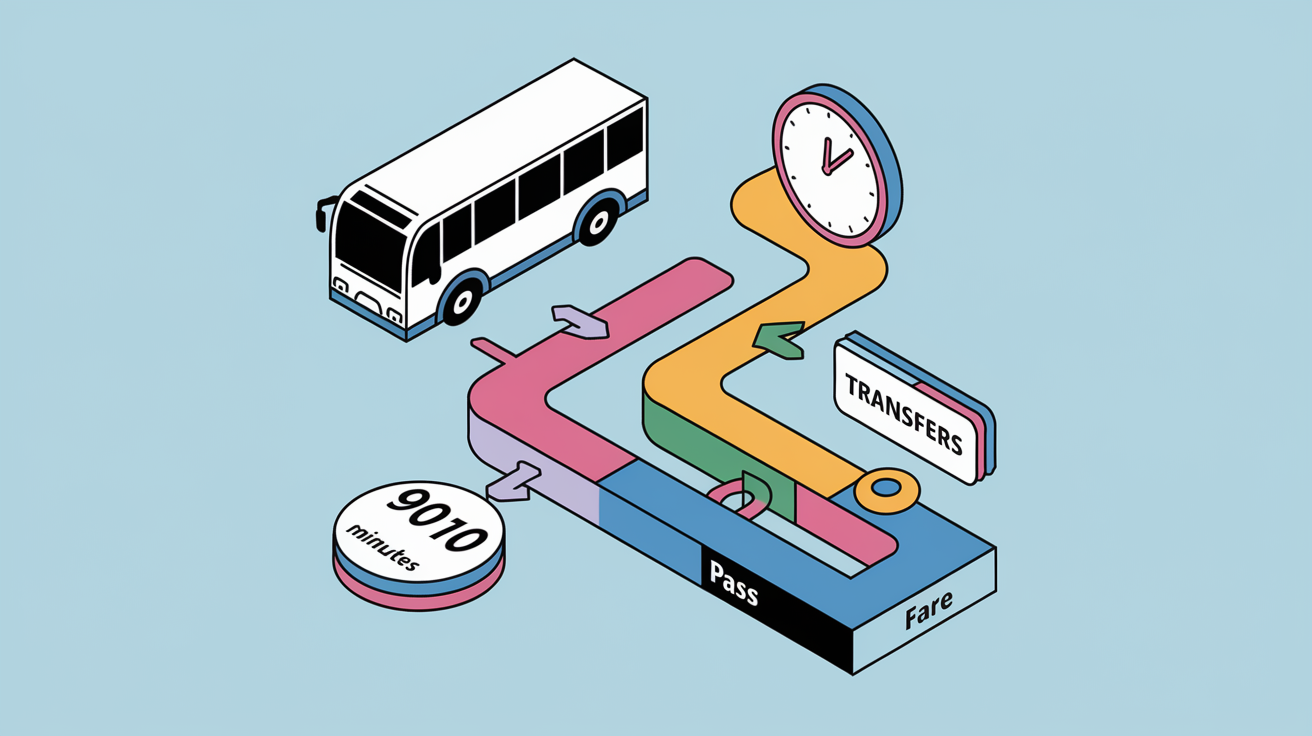
Transfer windows give you 90 to 120 minutes to switch modes without paying a second fare, as long as you stay within the system and don’t exit through fare gates. Tap onto a bus at 2:00 p.m., ride 15 minutes to a subway station, and board a train at 2:30. The system counts that as one continuous trip. Smart cards track your taps automatically and apply the transfer rule, so you never have to ask the driver or buy a second ticket. Fare capping takes this further by setting a daily or weekly maximum charge. Once you hit the cap (often equal to a day or weekly pass price), additional rides that period are free.
Zone boundaries matter mainly on airport lines and some regional express routes. If your errand takes you across a zone line, the system may charge an upgrade fee or require a separate ticket. Check your app or system map before planning a trip that crosses city limits or connects to a premium service. Combining errands within a single zone keeps costs predictable and avoids surprise charges when you tap off.
Key transfer and fare-cap considerations for short trips:
- Transfer window duration: Confirm whether your system allows 90 or 120 minutes. Shorter windows require tighter scheduling for multi-stop errands.
- Fare-cap advantages: Caps let you make unlimited rides once you reach the threshold, ideal for dense errand days with four or more trips.
- Zone boundary cautions: Crossing into airport or suburban zones can trigger surcharges. Map your route to see if upgrades apply.
- Multi-leg errand planning: Chain stops geographically to minimize backtracking and keep all segments within one transfer window, reducing total ride counts.
Real-World Examples of Short Trips Planned with Local Transit Passes

Grocery Run Example
A round-trip grocery run typically involves two rides: outbound to the store and return home. If the single fare is $2.75, you spend $5.50 total. A $7 day pass costs more, so skip it unless you’re adding another stop that same day. Hit the hardware store or visit a friend after dropping off groceries and the third ride pushes your single-fare total to $8.25. The pass becomes the cheaper option. One-errand days favor pay-as-you-go.
Errands + Appointment Example
Chaining a doctor appointment, pharmacy pickup, bank visit, and coffee meetup creates four rides. Four singles at $2.75 each equal $11. A $7 day pass saves you $4. This scenario is common on weekdays when you bundle tasks to avoid multiple trips. Delays of five to 15 minutes per segment add up. Allow an extra 15 minutes per leg and buy the day pass if your schedule fits the rides into one calendar day.
Weekend Social or Museum Outing
Museum visits or social meetups with lunch, shopping, and a gallery stop often require four to six ride segments. Six rides at $2.75 cost $16.50. A $7 day pass cuts your spending by more than half. Weekend schedules often have reduced service and longer headways, so plan extra buffer time. Multi-day visitor passes (three-day or seven-day options) make sense if you’re repeating this pattern across several days. They lower the effective per-ride cost and remove the mental load of tracking fares.
Quick scenario-based rules for deciding if a pass is best:
- One or two rides total: Stick with single fares.
- Three rides in a day: Day pass usually breaks even or saves a small amount.
- Four or more rides: Day pass always pays off.
- Multiple high-ride days in a week: Weekly or visitor pass reduces per-ride cost further than buying separate day passes.
Safety, Accessibility & Etiquette Essentials for Short Transit Trips
Theft on public transit peaks during rush hours and after 10:00 p.m. Phones and small electronics are the most common targets. One large subway system recorded over 2,000 theft incidents per year, and iPhones accounted for about 40% of those cases. Wear your bag on your front, use zippered or anti-theft designs, and avoid displaying valuables like laptops or jewelry on crowded trains. Sit near the driver or in well-lit cars when traveling late. If something is stolen, report it immediately with time, location, and description details so transit police can review camera footage.
Accessibility varies widely by city and mode. Many U.S. transit agencies offer paratransit services that require booking 48 hours in advance. Elevator outages at subway stations can derail a short trip if you rely on step-free access. Some systems have more than 90% of stations fully accessible, while others hover around 25%. Check real-time elevator and escalator status in your transit app before leaving. Contact paratransit dispatch if you need guaranteed door-to-door service for a medical appointment or time-sensitive errand. Buses are generally more accessible than older subway lines, with most fleets featuring low floors and wheelchair lifts.
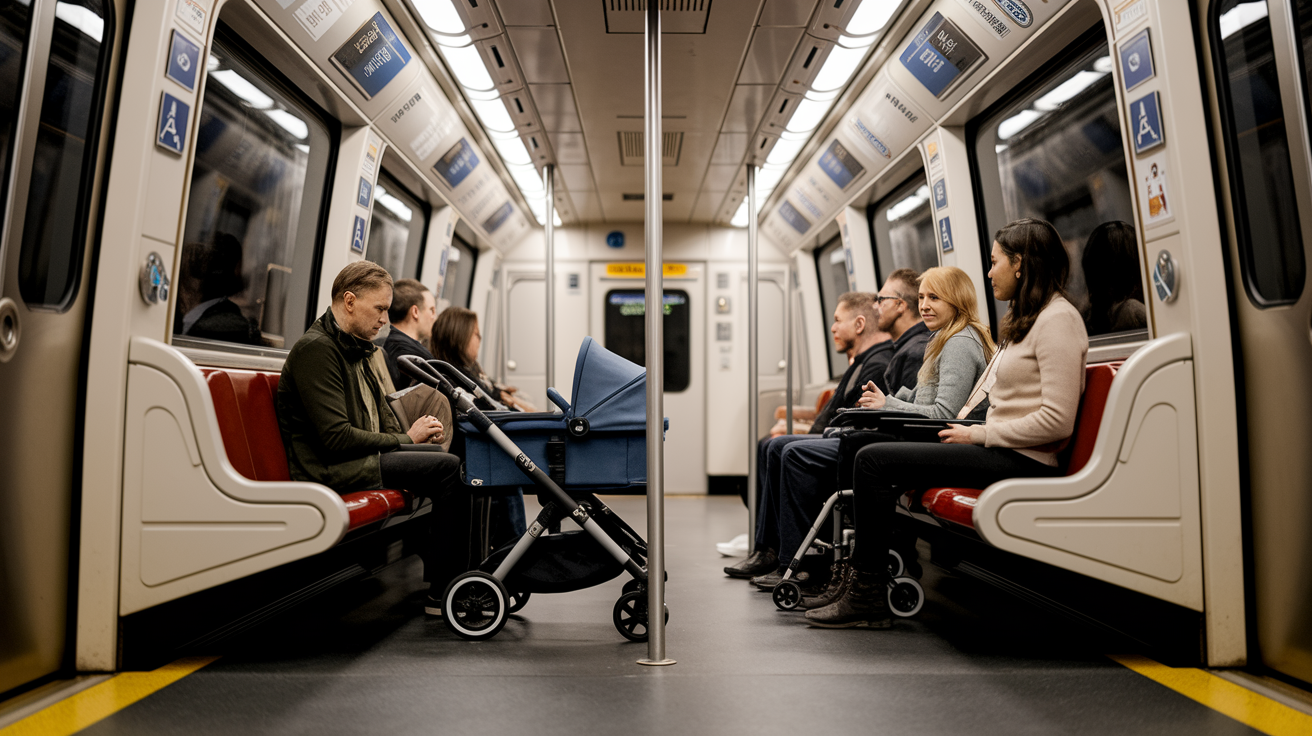
Transit etiquette keeps short trips smooth for everyone. Offer priority seats to seniors, people with disabilities, and pregnant riders. Let passengers exit before you board, keep headphone volume low, and avoid blocking aisles with bags or strollers. Thank drivers when you exit if it’s customary in your city. Small courtesies reduce friction and make repeat short trips more pleasant.
Budgeting & Evaluating Pass ROI for Frequent Short Trips

Use a five-step cost-comparison workflow to decide whether a pass makes financial sense for your typical week.
Step 1: Estimate weekly ride count. Write down every short trip you expect: grocery run (two rides), doctor visit (two rides), coffee meetup (two rides), weekend museum outing (four rides). Add them up. This example totals ten rides per week.
Step 2: Compare single-fare total versus pass options. If singles cost $2.75, ten rides equal $27.50. A weekly pass priced at $25 saves you $2.50. A day pass at $7 covers the weekend outing (four rides) for less than the $11 single-fare cost. You can use singles for the remaining weekday trips.
Step 3: Apply eligibility discounts. Reduced-fare programs like ORCA LIFT offer 50% off for households earning up to 200% of the federal poverty level, cutting the weekly total to $13.75. Youth programs often allow free rides for anyone 18 and younger. Some state employees commute free on participating routes. Check your local agency website for income-based, age-based, and employer-subsidy programs.
Step 4: Account for transfer windows. If your errands require bus-to-train connections, transfers within the allowed window (usually 90 to 120 minutes) count as a single ride. A three-stop errand with two transfers might only cost one fare instead of three. Revise your ride count accordingly before comparing totals.
Step 5: Calculate break-even points. Divide the pass price by the single-fare cost to find how many rides you need. A $7 day pass divided by $2.75 equals 2.5 rides. Round up to three for break-even. If you typically make two or fewer rides on weekdays but four or more on weekends, buy day passes only for high-ride days and use singles the rest of the week.
This method turns guesswork into a simple spreadsheet. Track actual rides for two weeks to refine your estimates, then lock in the pass type that minimizes monthly spending. Recurring appointments or weekly errands usually tip the balance toward passes, while sporadic trips favor pay-as-you-go.
Multi-Modal Strategies: Mixing Walking, Biking & Transit Passes for Short Trips

Walking the first or last half-mile shortens total travel time by letting you skip a slow feeder bus and board express routes directly. Many short trips involve a bus ride followed by a ten-minute walk to the final destination. Mapping apps show you when walking one leg is faster than waiting for a second connection. Bike-share stations near transit stops let you pedal the last mile in five minutes instead of waiting 15 for the next bus. Most city buses have front-mounted bike racks that hold two bikes. Folding bikes are allowed on trains during off-peak hours in many systems. Confirm local rules before bringing a full-size bike during rush hour.
Rideshare becomes the fallback when delays exceed 20 to 30 minutes. If your real-time app shows your bus is stuck in traffic or canceled, and you have a time-sensitive appointment, a $12 rideshare ride is cheaper than missing the appointment and rescheduling. For airport connections, mixing a $5 train ride with a $15 rideshare for the last segment still saves $30 versus a $50 taxi from your starting point. Combining modes strategically can cut daily travel costs by $20 or more compared to single-mode solutions.
When to integrate walking, biking, or rideshare:
- Short distances (under half a mile): Walk instead of waiting for a local bus. Saves time and reduces ride count.
- First/last-mile gaps: Use bike-share or a folding bike to cover the distance between transit stops and final destinations quickly.
- Service disruptions or delays over 20 minutes: Switch to rideshare to protect appointment schedules and avoid compounding delays.
Practical Pass Management: Validation, Activation & Timing for Short Trips
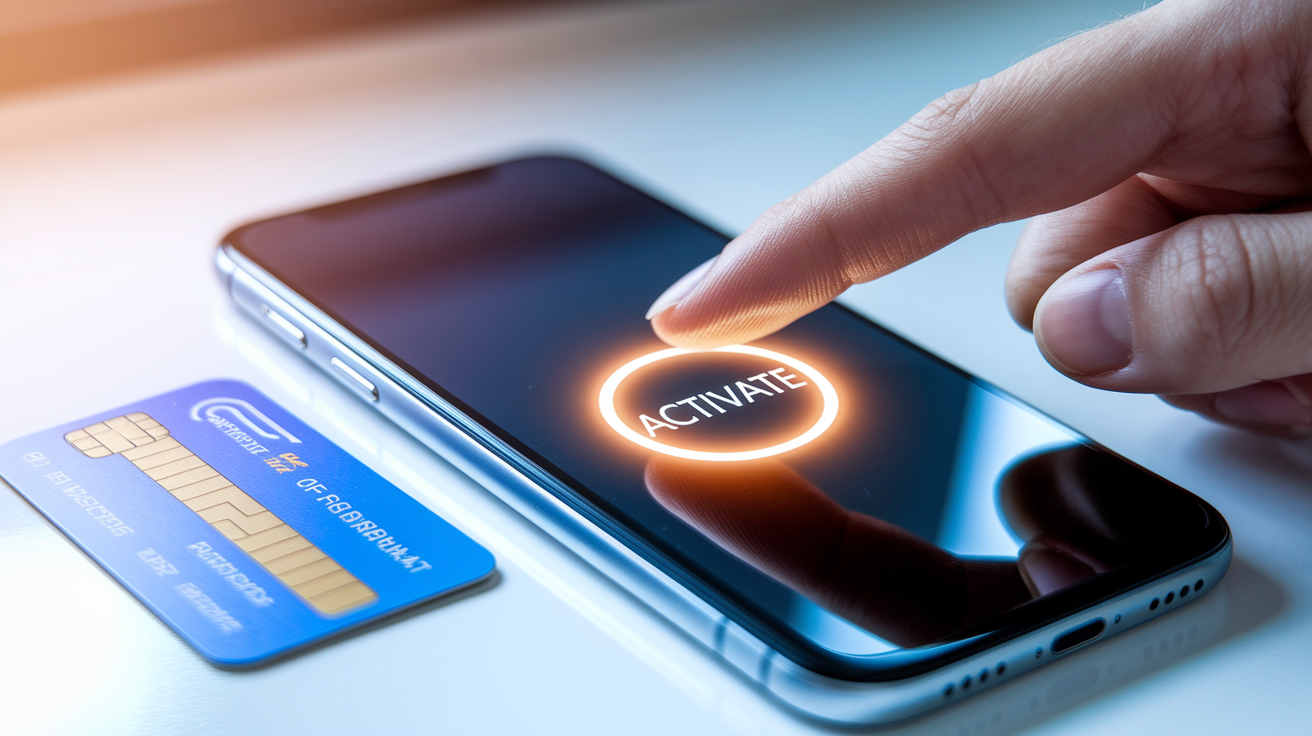
Calendar-day passes expire at midnight. Purchase one at 6 p.m. and you’re only getting six hours of use. If you’re unsure how many trips you’ll make later in the day, start with single fares and upgrade to a pass mid-day if your ride count climbs to three. Mobile tickets in many apps require activation before boarding. Tap the “Activate” button in the app, wait for the countdown timer or QR code to display, then show it to the driver or tap it at the fare gate. Some systems auto-activate on first use, but others require manual activation and will reject an inactive ticket. Check your app’s instructions before you board.
Smart cards and contactless payment methods simplify pass management by loading funds or passes onto a reusable card. You can reload online, at station kiosks, or via mobile app without carrying cash. Auto-transfer tracking works in the background. Tap on, tap off, and the system applies fare caps and transfer windows automatically. If you switch from single fares to a pass mid-week, most smart cards let you load both an e-purse (pay-as-you-go balance) and a period pass simultaneously, using whichever is cheaper for each trip. Contactless credit and debit cards often work the same way, capping your charges at the daily or weekly pass equivalent without requiring a separate transit card.
Quick Planning Workflow for a One-Day Short-Trip Transit Itinerary

Step 1: List all destinations and estimated stop durations. Write down grocery store (30 minutes), pharmacy (15 minutes), coffee shop (45 minutes). Add walking and wait time between stops.
Step 2: Use a mapping app to build a multi-stop route. Enter each destination in order and set your desired start time or required arrival time for the last stop. The app calculates departure times, transfer points, and total travel duration.
Step 3: Check fare options and select the best pass. Count the number of ride segments (transfers within the window count as one ride). Compare the total single-fare cost to a day pass price. Buy the pass if you hit three or more rides.
Step 4: Verify real-time arrivals 15 minutes before each departure. Open your app and confirm the next bus or train is on schedule. If it shows a delay, check the alternate route you saved earlier.
Step 5: Save offline screenshots of your full itinerary and one backup route. Include departure times, platform numbers, and transfer points. Screenshot your active ticket or pass QR code so you can display it without data service.
Step 6: Add a 15- to 30-minute buffer to your schedule. Typical delays range from five to 15 minutes. Tight connections can break if one segment runs late. Build slack into appointment times.
Step 7: Monitor service alerts and switch to rideshare if delays exceed 20 to 30 minutes. If your bus is canceled or stuck, and you can’t afford to miss your appointment, open a rideshare app and reroute. The cost of one emergency rideshare is usually less than the hassle of rescheduling.
Final Words
You’re standing on the platform, deciding if a day pass will save you money or if single fares are fine.
This guide showed when day, multi-ride, and weekly passes beat single fares, how validity and zones work, why smart cards and fare capping help, transfer rules, real examples, safety and accessibility tips, multimodal tricks, and a one-day planning workflow.
Estimate rides, check break-even math, pick a pass, and save backups.
Practice planning with local transit passes for short trips. You’ll get faster, save money, and feel more confident.
FAQ
Q: Who is eligible for a free travel pass and what does concessionary travel pass mean?
A: Eligibility for a free travel pass and a concessionary pass usually covers seniors, students, low-income riders, people with disabilities, and sometimes children; concessionary means reduced or free fares—check local agency rules.
Q: How much is a monthly transport pass?
A: A monthly transport pass typically costs $30 to $120 depending on city size and coverage, with many mid-size cities around $60 to $100; confirm exact pricing on the local transit website.
Q: Are there any cities with free public transit?
A: Some cities offer free public transit: Luxembourg (nationwide) and Tallinn (resident access), plus small cities with fare-free systems or downtown shuttles; verify visitor versus resident rules locally.