

Think the word “family” on a hotel listing guarantees a stress-free stay? Think again.
Cute photos don’t stop a toddler from waking at 3 a.m. or a housekeeper from saying there are no cribs left.
This guide focuses on the practical features that actually matter: room layout and sleeping setups, baby and toddler gear, kitchen and laundry, safety, childcare and entertainment, family-friendly policies, and location.
Read on to learn the quick checks and questions that make sure your stay actually works for your family.
Key Factors That Define Truly Family-Friendly Accommodation
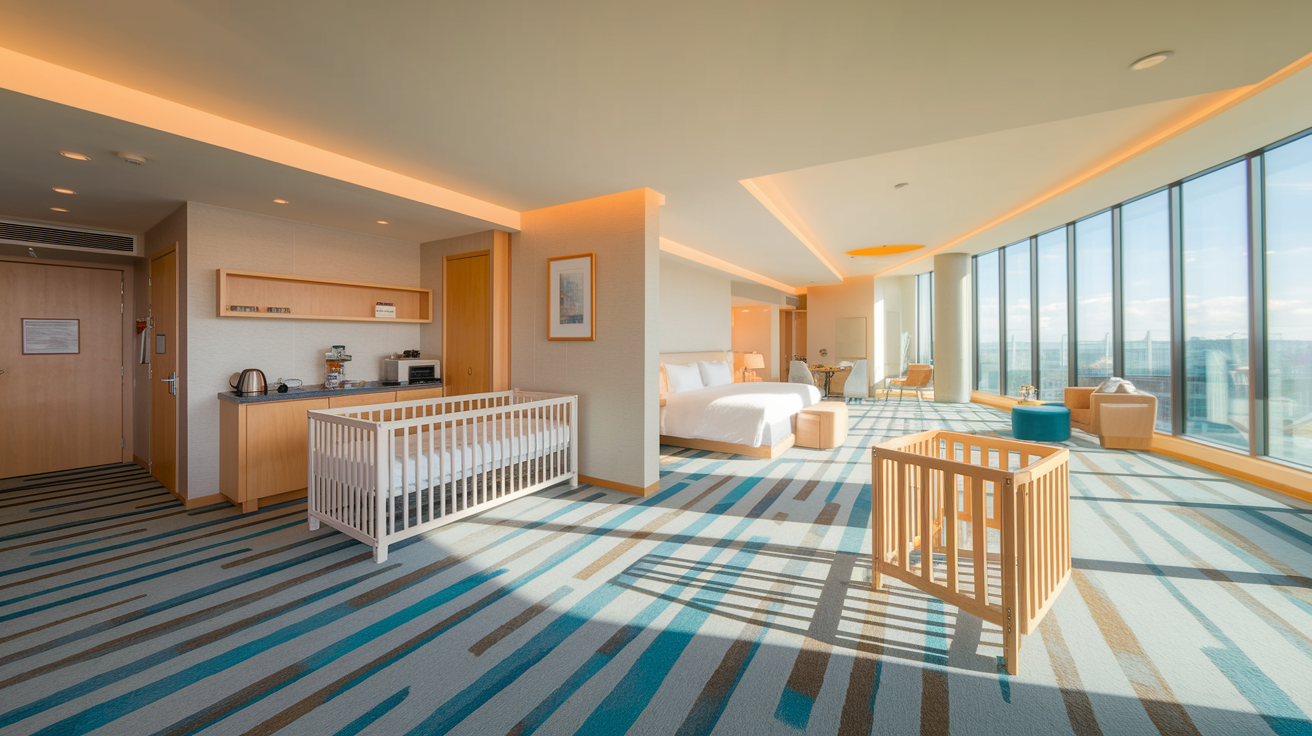
When you’re booking family-friendly accommodation, you’re after more than a couple of cute photos and the word “family” thrown into the listing. You need real features that help everyone sleep, stay safe, and get through long travel days without creating new problems. The gap between a place that says it welcomes families and one that actually works for them shows up in sleeping space, baby gear, kitchen access, safety setup, childcare, flexible policies, and where it’s located.
Good sleeping arrangements mean you won’t be dealing with a toddler rolling off some improvised bed at 3 a.m. A kitchenette means you can warm a bottle or feed a fussy eater without leaving the room. Safety features like balcony locks and pool fencing cut down on the constant mental tracking parents do in new spaces. When these pieces are there, you can focus on the trip instead of fixing daily problems.
Room layout and sleeping – Connecting rooms, two-bedroom suites, confirmed cribs and rollaways, enough floor space for bags and play.
Baby and toddler gear – Highchairs, cribs, bottle warmers, sterilizers, baby baths, blackout curtains.
Kitchen and laundry – Kitchenette or full kitchen, microwave, minifridge, on-site or in-room laundry.
Safety and childproofing – Outlet covers, cabinet locks, balcony locks, pool fencing at least 1.2 m high, lifeguard supervision.
Childcare and entertainment – Kids’ clubs, play areas, supervised activities, indoor spaces when it rains.
Family policies – Flexible check-in/out, free or discounted stays for kids under certain ages, refundable booking, babysitting.
Location and logistics – Close to attractions, grocery stores, pharmacies, free parking, elevator access for strollers.
These seven categories are the baseline. If a property checks most of them, it’s built for families. If it skips more than one or two, you’ll probably hit preventable friction.
Accommodation Space, Layout and Sleeping Arrangements for Families

A family of four in one standard room with a queen bed and a pullout sofa works for maybe one night. After that, everyone needs more space and better sleep setups. Look for connecting rooms or two-bedroom suites when you’ve got three or more kids, and make sure those rooms are on the same floor before you arrive. Families split across floors or opposite wings waste time coordinating and lose the supervision layer that shared walls give you.
Most hotels let you have one or two cribs per room, but rollaway beds often cost $10 to $50 per night. Ask about the charge when you book and confirm whether bedding’s included. Room size matters more than listings admit. A family of four needs at least 30 to 50 m² (around 320 to 540 square feet) to move around with luggage, Pack’n Plays, and toys on the floor. Bigger families should go for 60 m² or more. Tight quarters make small conflicts bigger and turn naptime or early bedtimes almost impossible when one parent’s still awake.
Request connecting rooms or a two-bedroom unit if you’ve got three or more children.
Confirm the max occupancy includes all kids, not just adults.
Ask how many cribs or cots are available per room and if there’s a rental fee.
Check rollaway bed cost ($10–$50/night is typical) and confirm extra bedding comes with it.
Go for properties offering at least 30–50 m² for four people, or 60+ m² for five or more.
Baby and Toddler Equipment Families Should Confirm Before Booking
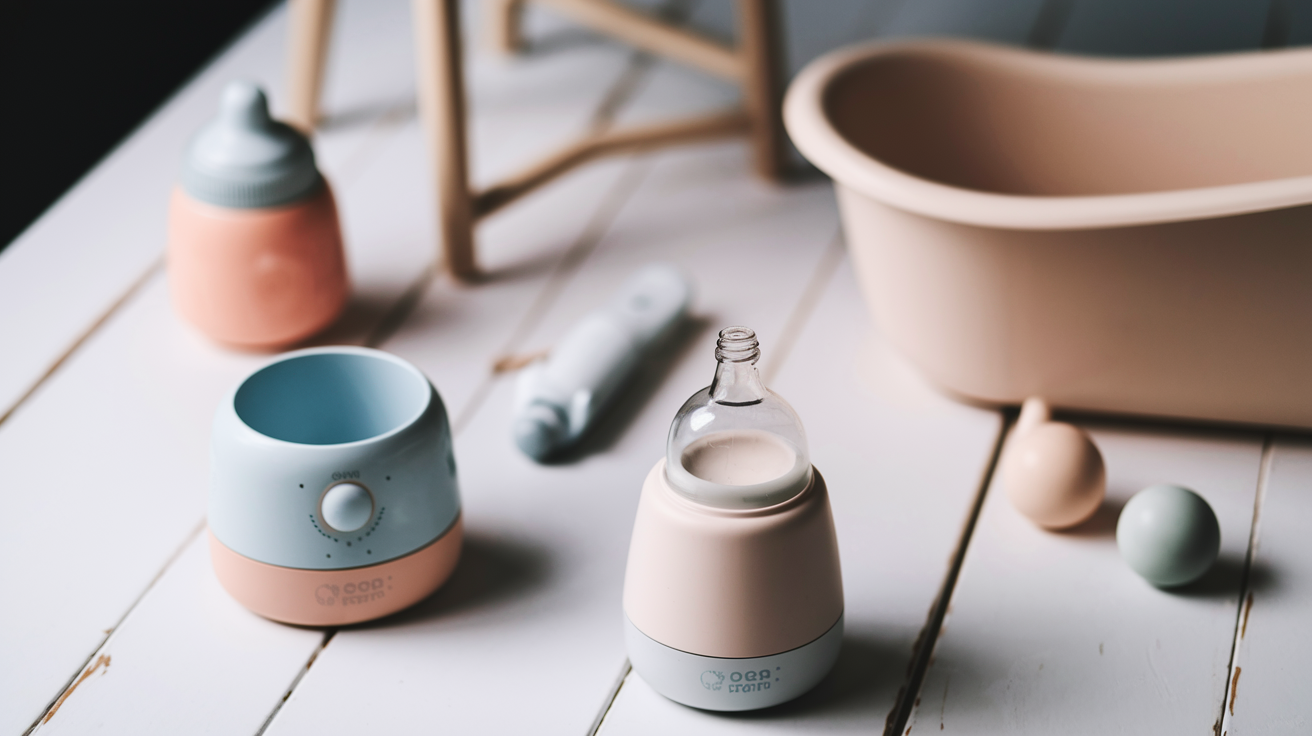
Traveling light with babies and toddlers sounds great until you realize you forgot the bottle warmer or the crib smells weird. The best family properties supply clean, working baby equipment without making you request it three weeks out. Standard stuff should include cribs or travel cots, highchairs, bottle warmers, sterilizers, and baby bathtubs. Some places go further with “pack-light kits” that have bibs, kid-sized robes, slippers, toiletries, and small welcome gifts like coloring books or stuffed animals.
Always confirm what’s available and what condition it’s in before you get there. Ask how many highchairs they’ve got, whether cribs get sanitized between guests, and if blackout curtains or portable shades can be set up for naps. One hotel mentioned in reviews delivered a liter of full-fat cow’s milk to the fridge daily without anyone asking. Little things like that prevent a 7 a.m. hunt for an open grocery store. Get confirmation in writing, especially for things you can’t replace easily.
Safety and Childproofing Features in Family-Friendly Accommodation

You walk into a hotel room and start scanning for sharp corners, loose cords, accessible outlets. Then you spend fifteen minutes moving breakables. Family properties should handle most of this before you check in. Request childproofing supplies like outlet covers, cabinet locks, and stair gates when you book. Ground-floor rooms cut down on fall and runaway risks for toddlers. Interior-corridor layouts are safer than exterior balcony-access doors that toddlers can unlock.
Pool safety isn’t negotiable. Pool fencing should be at least 1.2 meters (48 inches) tall with gates that close and latch on their own. Check if a lifeguard’s on duty and when. Confirm pool depth and whether there’s a separate shallow area or toddler pool. If there are hot tubs, ask about temperature settings and whether kids are allowed. Pools without fencing and no supervision are a deal-breaker for families with kids under five.
Balcony doors need to lock securely from the inside. Railings should have gaps smaller than 10 centimeters (4 inches) so a child can’t slip through or get stuck. On upper floors, ask if window guards are available. If you’re assigned a high-floor room and your kid’s a climber, request a room change before you unpack.
| Feature | Safety Standard | Benefit |
|---|---|---|
| Pool fencing | At least 1.2 m (48 in) height, self-closing gate | Prevents unsupervised access by toddlers |
| Balcony railings | Gaps smaller than 10 cm (4 in) | Stops children from slipping through or climbing |
| Outlet covers | Tamper-resistant plugs or safety caps | Reduces electrical shock risk |
| Lifeguard supervision | On-site during pool hours, clearly posted schedule | Adds monitoring layer beyond parental supervision |
Kitchen, Laundry and Practical Family Amenities That Make Travel Easier

A kitchenette or full kitchen is the single thing that cuts daily stress the most for families with infants or picky eaters. At minimum, you need a microwave and minifridge to warm bottles, store leftovers, and keep snacks cold. A two-burner stove, sink, and basic cookware let you make simple meals without paying restaurant prices three times a day or navigating a buffet with a screaming toddler.
Laundry access becomes essential on trips longer than three to five days. Look for places with free washers and dryers, coin machines, or reasonably priced laundry service. One resort washes six items per person per day for free. Others charge around $15 per load, which is fair. Avoid hotels that price laundry by individual item. A family’s load hits $50 fast when every pair of socks and pants gets charged separately.
Kitchenette or full kitchen with microwave, minifridge, and sink as baseline.
Two-burner stove and cookware if you’re planning to cook regularly.
On-site or in-room washer and dryer, or coin machines in a laundry room.
Laundry service priced per load (around $15) rather than per item.
Childcare, Kids’ Clubs and On-Site Activities Families Should Look For

Kids’ clubs and on-site play areas give children supervised activities and parents short breaks to rest or explore alone. The best clubs run all day with flexible drop-in hours so kids can join a craft session, watch a movie, or do a supervised beach walk whenever they want. Typical age ranges are three to twelve, with supervision ratios around one adult for every six to twelve children.
Watch out for clubs charging $50 to $100 per day and requiring full-day commitments. That pricing turns the club into a mandatory add-on instead of a flexible amenity. Free or low-cost drop-in clubs signal the property actually welcomes families. Ask if the club offers indoor activities for rainy days and confirm whether staff are trained in first aid and background-checked.
Play areas, playgrounds, family pools, and scheduled activities cut down on needing to leave for entertainment. Shallow wading pools or splash zones work well for toddlers and let you supervise from a poolside chair. Separate adults-only pools give older kids a quiet swim space and parents a break when grandparents or babysitters are watching younger ones.
Family-Friendly Policies and Flexible Services That Matter Most

Flexible check-in and check-out times help families manage early arrivals and late departures without paying for an extra night or scrambling to entertain tired kids in a lobby. A lot of family hotels offer luggage storage so you can explore on your last day even after checking out. Confirm whether early check-in or late check-out can be requested at booking or if it depends on availability that day.
Policies where children under a certain age stay free or eat free are useful, but always confirm the age cutoff. Some places set it at age two, others at twelve. Ask how the policy stacks with other promotions. One traveler found a hotel’s advertised “family rate” for a second room just canceled out other discounts, leaving the total cost the same as booking two rooms separately. Request a breakdown in writing before you confirm.
Flexible check-in/check-out and complimentary luggage storage.
Clear child-rate policies with confirmed age cutoffs (commonly under 2 or under 12).
Refundable or flexible booking rates, especially for families prone to last-minute changes.
Location, Transport Access and On-the-Ground Convenience for Families
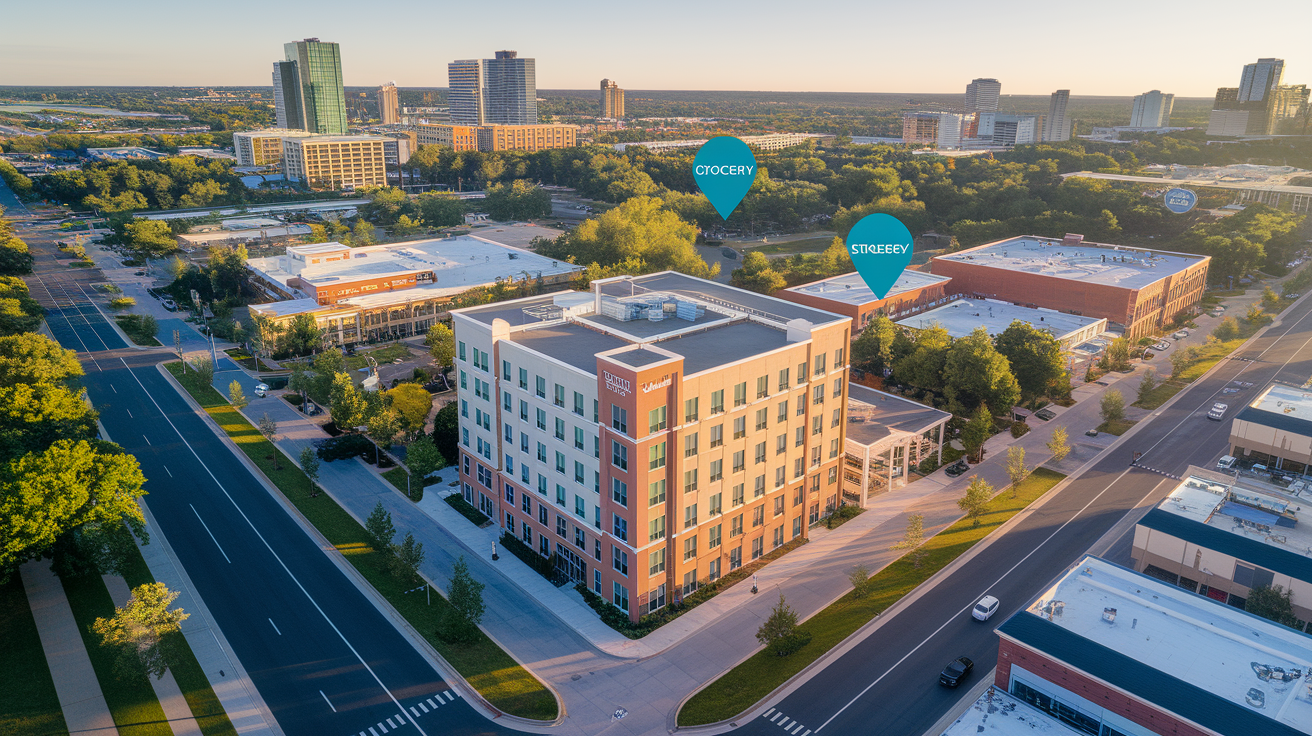
A beautiful resort an hour and a half from the airport sounds appealing until you’re wrangling car seats, luggage, and overtired children on a long transfer. Go for properties within a five to twenty-minute drive or a fifteen to thirty-minute walk from major family attractions. Central locations cut daily transit time and get rid of the need for a rental car if you’re visiting a walkable city.
Being close to a grocery store and pharmacy matters more than most families expect. You’ll need snacks, diapers, milk, pain relief, and other basics within the first twelve hours. Confirm the distance to the nearest supermarket and whether grocery delivery’s available. Ask about parking if you’re driving. Free or secure parking with easy access to your room saves time and stress, especially when unloading strollers and car seats. Elevator access is non-negotiable if you’re hauling a stroller and luggage to an upper floor.
Stay within 5–20 minutes’ drive or 15–30 minutes’ walk of major attractions.
Confirm distance to a grocery store and pharmacy (ideally under 10 minutes).
Free or secure parking with covered or close-to-entrance spaces.
Elevator access for strollers and accessibility ramps at entrances.
Airport transfer availability and whether car seats are provided.
Red Flags That Suggest a Hotel Is Not Truly Family-Friendly
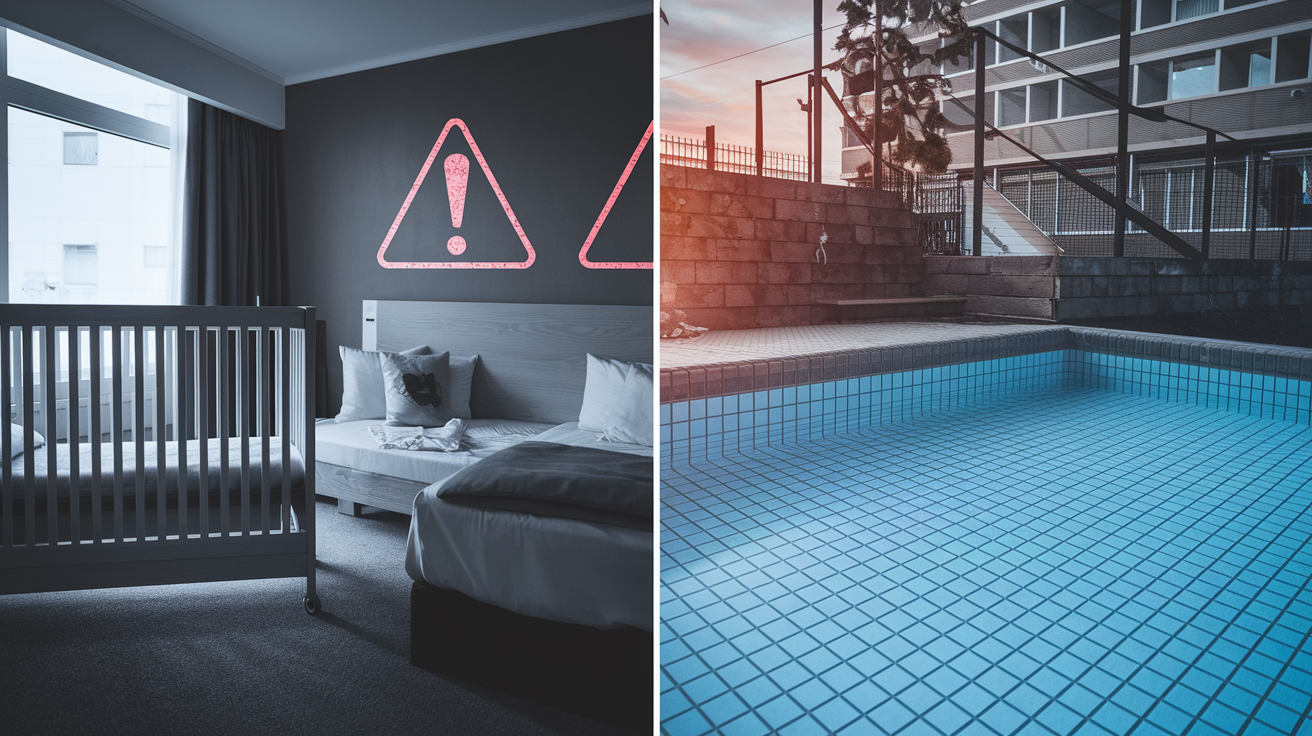
Online reviews from other parents are the fastest filter for spotting properties that look family-friendly but aren’t. Search for mentions of cleanliness, noise, and how staff treat children. If multiple reviews mention thin walls, broken cribs, or staff who seemed annoyed by kids, move on.
Check the pool setup carefully. A pool without fencing and no on-site lifeguard is unsafe for families with young children. Balcony railings with wide gaps or doors that don’t lock securely are just as bad, especially on upper floors.
Only one bathroom for a family of four or more, with no separation between toilet and sink.
No fenced pool and no lifeguard on duty.
Balcony railings with gaps wider than 10 cm or doors without child locks.
Mandatory extra-bed fees outside the typical $10–$50 range or unclear child-rate policies.
No laundry access for stays longer than three to five days.
Claims of soundproofing or “family rooms” contradicted by reviews mentioning thin walls.
Questions to Ask Before Booking a Family-Friendly Accommodation
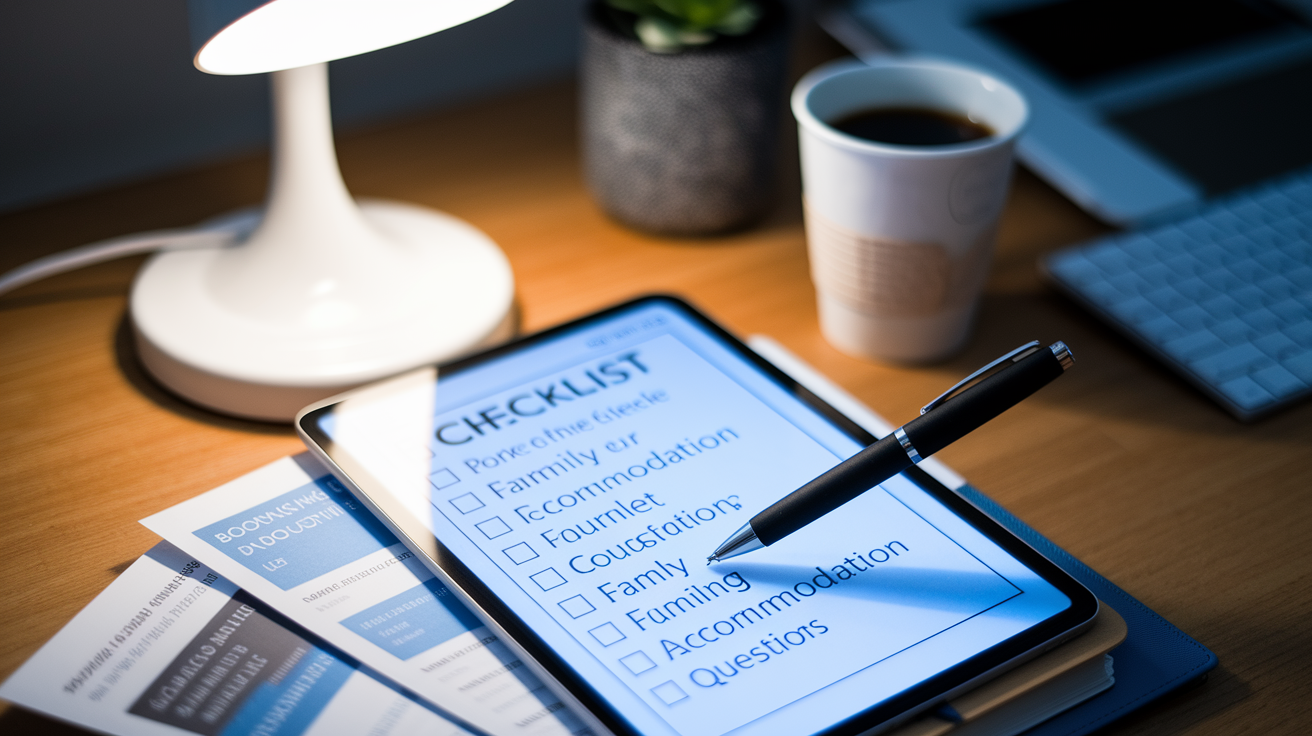
Confirming details in writing before you book prevents the “we’re fully booked” or “that’s an extra charge” surprises that derail family trips. Call or email the property directly and save the responses. If the answers aren’t good, book somewhere else.
How many cribs or cots are available per room, and is there a rental fee?
Are connecting rooms or two-bedroom suites available, and is there an extra charge?
What’s your policy on rollaway beds, and what’s the typical cost per night?
Do children under a certain age stay free, and are kids’ meals or discounts available?
Are lifeguards on duty at the pool? During which hours? What’s the pool depth, and is there fencing or gating?
Do rooms have balcony locks, and are balcony railings child-safe (gaps under 10 cm)?
Can you provide childproofing supplies like outlet covers, cabinet locks, and stair gates? Is there a fee?
Is there a kids’ club or supervised activities? What ages are covered, and what are the staff-to-child ratios?
Are highchairs, bottle warmers, and baby baths available, and are there extra charges?
Is there a kitchenette or are a microwave and minifridge provided in-room? Is laundry available on-site or in-room, and what’s the cost or turnaround time?
Final Words
Start by prioritizing space and sleeping arrangements, then confirm baby gear, safety measures, kitchen/laundry access, childcare options, family policies, and location.
Use the section checklists—room-size rules, crib limits, pool-fence standards, rollaway fees, and transport tips—to avoid surprises and save time.
When booking, use this quick checklist to decide what to look for in family-friendly accommodation; it keeps choices simple and your trip calmer and more enjoyable. Small checks mean big peace of mind.
FAQ
Q: What are the 5 types of accommodations?
A: The five types of accommodations are hotels, motels, vacation rentals (short-term apartments or houses), hostels (shared rooms for budget travelers), and bed-and-breakfasts (small inns offering breakfast).
Q: What makes a hotel family-friendly? What qualifies as family-friendly?
A: A hotel or property qualifies as family-friendly when it provides adequate sleeping space and layout, childproofing and pool safety, baby gear (cribs, high chairs), kitchen/laundry access, kids’ activities, and flexible family policies.
Q: What are common mistakes parents make on vacation?
A: Common mistakes parents make on vacation include overpacking, cramming too many activities, skipping nap windows, not confirming cribs or safety features in writing, underestimating transit time, and ignoring extra fees or childcare costs.